Bible Study: The Cure for What Ails You by Julie Arduini

Happy July! Last time I blogged, I shared my anxiety revelation. Thankfully, that’s better. However, last week I realized I was in bit of a funk, and as I looked around, both in my socially-distanced church and around social media, that seemed to be a theme.

It’s the frustration of not being able to go out like we’re used to.

The fear of offending someone when you’re just trying to get groceries.

The anxiety over lost wages/wanting to return to work.

The sadness, at least for me, when the church service ends and there’s no prayer team. No altar call. Sure, I know Jesus is there and responds to my cry, but sometimes I like and need to meet with His people who stand in the gap for me, and I do for them. And no offense to any leadership, everyone is doing the best they can to be open and stay open, it felt watered down. Everything feels like it’s running on half-capacity.

Of all the fluid dynamics around me, one thing has been constant this year.

Bible study.

I love reading plans and devotions, but there’s something about a juicy Bible study that I really enjoy. This year is no exception. In fact, I’ve signed up for enough of them that I need to remember I have a daily word count I need to get cracking on as well. But I find as I dive deep into His word, I not only find peace, it also gives me the tools for all the things I need to do during this crazy season.

I thought I’d share a bit of what I’m reading because these remain free and open at the time of my writing.

Get Out of Your Head by Jennie Allien—In my Chandler Bing from Friends voice, could this BE any timelier? Study Gateway OBS has the six-session videos available for free, and they are so good. “Freedom comes when we refuse to be victims to our thoughts and realize we have already been equipped with power from God to fight and win the war for our minds.” That’s some amazing content Jennie has, and there’s plenty more. There is an optional study guide for purchase, and a Facebook group for interaction. Learn more HERE.

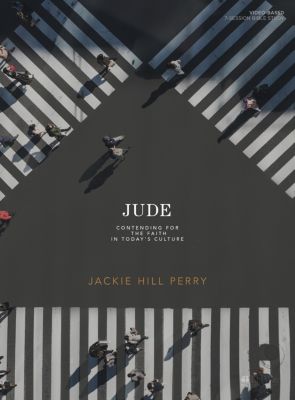
Jude: Contending for the Faith in Today’s Culture by Jackie Hill Perry. Lifeway is offering this 7-session video series throughout the summer, and it’s not too late!

A 7-Session Study for Women and Teen Girls

While often overlooked, the Book of Jude remains as relevant today as the time it was written. God has commanded His beloved church to do the necessary work of contending for the faith in a world of unbelief, and as we do, He will keep us from falling into the same deception.

In this 7-session study from Jackie Hill Perry, dive into themes of being called, loved, and kept, and learn how to point others to Jesus in grace and truth. We serve others well when we share the whole gospel with them, not just the parts deemed attractive by our culture.

Although I have a teen girl, I’m going through this one solo. The reviews said it was meaty, and that’s true. I mean, Jude is a short book and this is a seven week study with daily homework. I live for this material, but it’s a bit much for my daughter. If you love a deep dive into His word, oh, this is good. So, so good.

See for yourself. The videos are online free for a limited time. I purchased the guide separately. Learn more HERE.

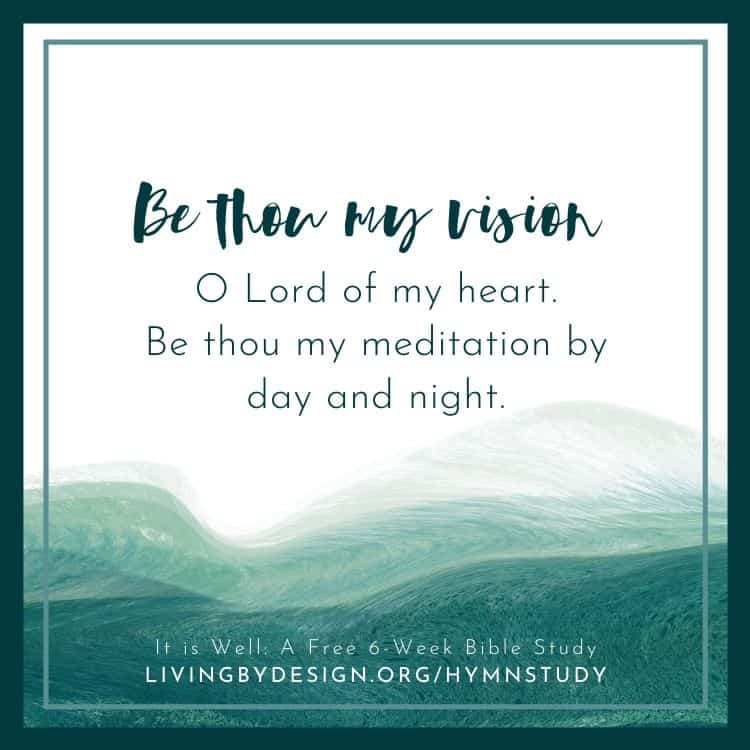
It is Well: A Free Bible Study Inspired by Beloved Hymns

This is completely free and delivered via e-mail. It just started, so what a perfect time to sign up. Not only does Sarah Koontz have a digital workbook for each week, it comes with commentary. I’m a big fan of Living By Design Ministries.

Learn more HERE.

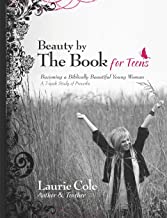
Beauty by the Book: Laurie Cole

This is not a new study, but this is what I’m doing with my teen daughter. I have the videos through a Right Now Media Subscription, but I believe they are for free on YouTube. This is a great study on Proverbs and real beauty, and we’re learning a lot. The clothes and hair are a little dated, but God’s word never is. This is content females need to receive.

Learn more HERE.

Finally, I’ve talked about it before and it is a bigger purchase, but I received it for review purchases. Honestly, I’d shell out the $45. It’s the CSB Life Essentials Study Bible. What I like is there are 1500 principles that Gene Getz shares, and you can use a QR code and watch him share. He’s very humble and knows the Bible, and I’ve learned a lot. I’m doing a one year reading plan and this Bible is marked up. This has enhanced my quarantine experience and probably the main reason I’m overall doing well. It’s a great Bible and with all the studies I’ve signed up for, I’m glad to have this one at my side. NOTE: When I Googled this Bible, I noticed it is on sale. Dig around. The link I have is for $30. As comprehensive as this Bible is, that’s a steal.

Learn more HERE.

There. Depression? Anxiety? Self-Esteem? Fear? Anger? Whatever 2020 is handing you, there’s a Bible study. Dig in!

I’d love to hear what studies interest you, or what ones you’re working through.

Posted in Julie Arduini | Tagged , , , , , , , , , , , , , , , , , , , , , , | 2 Comments

A Sad Fourth…

If you’ve been in this country for any length of time then you know that the Fourth of July is a big deal. There are get-togethers and BBQ’s. There are fireworks! It’s a day to celebrate family, friends, fun and freedom. You crank up the tunes and have a grand old time.

Only this year, there wasn’t any fireworks. Family and friends were quarantined so even if you did have a party, it was small and it resembled your everyday isolation that is Covid-19 reality.

I was with my mother, father and brother. My kids were all off quarantining in different parts of California and I spent the day in the pool reading a book. Granted, there are a lot worse places to be, but as an eternal optimist, I am really struggling with the quarantine — and I’m an extreme introvert so I don’t know how all you extroverts are doing.

The 4th really brought it home — all that we’ve given up. We are celebrating our freedom where there is none. Even if we can get out, we are wearing gloves, masks and staying six feet away from one another. I’m grateful we are able to celebrate at all and we’re not struggling with the virus, but this holiday weekend really reminded me how good we had it. Why can’t you ever appreciate what you have in the moment?

I thought I did — and then, I couldn’t go to T.J. Maxx to escape. I couldn’t go to Starbucks at 10 p.m. so I could write late into the night. The Bible tells us to be thankful in all circumstances and I am, but I can’t wait to celebrate true freedom again.

Posted in Uncategorized | 2 Comments

Independence Day:Do We Know What or Why We’re Celebrating? by Vicki Hinze


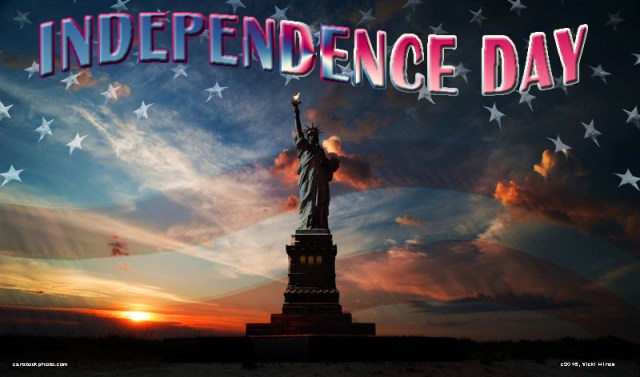
Independence Day.  Some of us will gather with family and friends and neighbors. We’ll picnic and grill. We’ll watch fireworks explode, maybe shoot off some ourselves, and celebrate the day off work. But do we and our kids know what exactly we’re celebrating?

DO WE KNOW WHAT WE’RE CELEBRATING?

Recently, I watched man-on-the-street interviews on a college campus. Asked who America fought for its independence, only one person of those asked could answer correctly. Only one.

This was admittedly shocking, but then in many institutions, the study of American history is an elective. The study of civics is elective. How can students grow to informed, responsible citizens when they have no idea about their roots, heritage, their history, the country’s fabric, or the way the government works?

Realizing the deficiencies should concern us all. And it should set us all to thinking. Noted philosopher, Socrates, considered independence the ability “to find yourself, think for yourself.” Elbert Hubbard said, “Freedom cannot be bestowed—it must be achieved.” Both make valid points that are worth some thought this Independence Day.
In America, thanks to the efforts of our forefathers who established this nation and all who have sacrificed so it endured, everyone in America is born free. Everyone has rights that protect his or her freedom. But in everyday, practical life, whether or not one remains free is up to the individual.

Freedom and independence are Linked

One can’t be truly free while being dependent on another. Whether you rely on an individual or an entity to, say, house and clothe and feed you or to pay your dental bills, once you are reliant you are no longer self-sustaining or self-reliant or independent. You are no longer free.

Costs of Dependence

With dependence comes costs. You rely on and are subject to the terms and conditions of being reliant. There are rules you are required to follow to be given what you need.

You can do this. You can’t do that. You must fit within these perimeters. If you do fit, you get what you need. If you do not fit, you don’t. That’s not freedom.

Embracing those “requirement” rules results in an absence of freedom. And that absence, if embraced, takes people to a place where it’s like stepping on a treadmill and, once on it, one can never step off.

Perhaps that truth is the root of the saying, “There’s no such thing as a free lunch.”

An example. You collect a check from the government each month. You can’t work. If you work, you lose the check and the medical benefits that come with it.

You’re dependent, subject to the rules for getting the check, but once you step on that treadmill, you’re stuck on it with no way off. If you work, you lose what you have. If you don’t, you’re stuck where you are for the duration. It’s a lose/lose situation.

That isn’t independence or freedom. That limits you and what you’re able to do and to achieve. Freedom, on the other hand, limits us only by our imaginations and our willingness to make efforts and take risks.

How Rare is Independence?

Personal freedom and independence isn’t a new concept, but in the world, for people to be free is rare. Most citizens of the world live under heavy restrictions.

  • Only 14% of the world’s people have access to a free press
  • Only 30% have religious freedom
    •  According to Religion News, 5.3 billion people live under harsh religious restrictions. Retaining your right to choose your religion and whether or not you practice it, requires independence.
    • The majority of the world’s women live oppressed
      • Restrictions on women. In many nations/countries women do not have the same rights as men.  In many nations/countries:
        • Women can’t be educated
        • Women can’t drive
        • Women can’t go out on the street unescorted
        • Women can’t work
        • Women can’t choose their own clothes
        • Women can’t choose their own path in life
        • Women can’t choose their own spouse, or whether or not to have a spouse
  • If women step out of their designated role and rebel against the rules imposed on them, they’re beaten and/or arrested and, in cases, executed—even if/when expecting a baby.
  • In some countries, who you become and where you become it are dictated to you by others.
    • The governments decide where you live, where you or your children go to school, what jobs you may apply for, where you are assigned to work, what you are permitted to study and where, and such personal decisions as how many children you are permitted to have.


Founded on an idea, America has none of these restrictions. Its republic is and since inception has been reliant on its people to value their freedom, liberty, and independence. Americans must respect and desire freedom and independence and value personal liberty—and be willing to fight to preserve their rights.
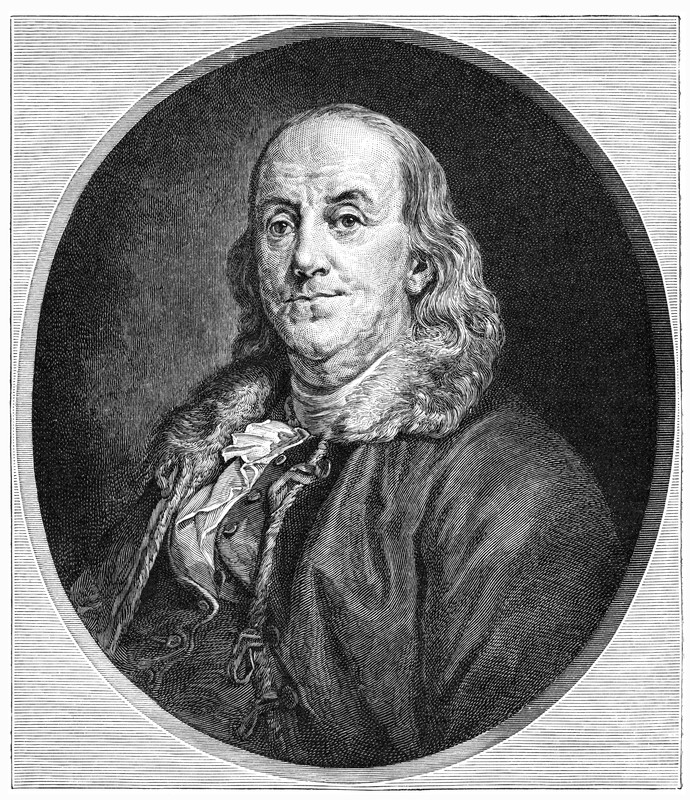
canstockphoto6890178Benjamin Franklin, a founding father and patriot, once responded to a woman named Mrs. Powel, asking what the founding fathers had created—a republic or a monarchy. “A republic,” Franklin said, “if you can keep it.”

The founders knew that independence and freedom didn’t just depend on creating that republic but also on maintaining it. Constantly guarding and protecting it. That due diligence is the responsibility of each and every individual in each and every generation.

It alone warrants American History and Civics being mandatory studies for all students. To do your due diligence, understanding the rare privilege and rights you have and knowing how your republic works is essential.

Use It or Lose It

If you enjoy choosing your life, your school, your work and want to continue to make those choices yourself, then defend your freedom and embrace your independence. Be self-reliant.

If you enjoy choosing your faith or the absence of it, defining yourself and what is important to you, deciding the kind of life you want to live and the kind of person you want to be, then take to heart the words of Steve Jobs: “Don’t let the noise of others’ opinions drown out your own inner voice.”

If you enjoy speaking your mind, voicing your opinions, expressing yourself, then defend your freedom and independence.

The Bill of Rights is the heart of individual liberty, personal freedom. So, as Socrates said, think for yourself and as Hubbard said, achieve freedom.

Freedom, like independence, isn’t a one-shot-and-you’re-done deal. Both freedom and independence must be guarded and maintained. Otherwise, those who seek power will seize both. Evidence of that reveals itself clearly in World History (which our students aren’t required to study, either).

Throughout history, when one seeks to control the masses, the first thing that must be squelched to successfully “transform” and bring everyone under One’s control is any freedom of choice. Get rid of God and substitute the government in His place. Remove the ability of people to defend themselves, to oppose being seized. Force people into relying on government, and then begin nudging the public to fall in line with One’s desires by making not falling into line painful.

High costs, hunger, restrictions; demeaning, ridiculing, demonizing—any and all that can be done to control people and their actions, behavior, conduct.

Historically, there is always a high-intensity move to control thought. This is how you should feel about this and that, and if you don’t, you’re abnormal, radical or racist. You’re … choose your own awful adjective. All of that isn’t about being fair or just or right, it’s about controlling others.

The natural inclination, for Americans especially, is to consider that type of manipulation unthinkable. It couldn’t happen here, some say. But the truth is it can, does, and is happening here. America only works if its people engage and stay engaged in its own affairs.

Many citizens of other nations have considered them losing control of their own lives unthinkable. But when we look at what actually happened to them, we see they did lose control—and many lost it by making the same mistake: They became apathetic, self-absorbed, wrapped up in their personal lives and they tuned-out on their own national interests.

Leaders seized that opportunity, seized power and control, and filled that power vacuum. Then came the nudging, which was inaccurately deemed to be misunderstandings. Surely Castro, for example, wouldn’t take away people’s private homes and businesses. But he did. And once he did, it was too late. The people had already lost too much and had nothing left with which to fight for themselves. That’s the cost of apathy and the cost of denial.

Who and Why We Are

This Independence Day, we need to remember who we are and why we are.

We need to remember that we are first and foremost Americans. Far too often, we think of ourselves as Republican, Democrat, or Independent. That’s a divide-and-conquer strategy politicians use to get elected. It is not an American strategy.  For a nation to thrive, it’s people must be united.

This country was founded by those who wanted to be free to choose, free to pursue their own visions for their lives, free to worship as they desired without fear of retribution or execution. Pull out a copy of the Constitution and read it. A copy of the Bill of Rights. The Declaration of Independence. Get acquainted, reacquainted and connected.

Your independence is not something to take for granted. If you do so, know that you do so at your own peril. Look around at how women fare in most of the world today. Is that what you want for yourself? For your daughters and granddaughters?

Americans are so accustomed to exercising their own will that they’ve lost sight of the concept of not having that right or privilege. They’ve fallen to PC police in a way that would stun those who came before us. Do what I want done, the way I want it done. Think what I tell you to think, or forget tolerance. I’ll shout you down, demonize you until you fear opening your mouth about anything. I’ll own you.

Is that what Americans want?

I seriously doubt it. But if they don’t want it, then they can’t do the same thing those before us did with apathy and denial and expect a different result. History will repeat itself.

Independence. Remember what it costs, and choose what it means to you.

If you fail to, you risk waking up and finding your independence and liberty and freedom is gone—a faded memory.

America, the idea, was not established for that. Founders didn’t pledge their lives, treasure and sacred honor for that. All who have sacrificed and shed blood to keep Americans free didn’t sacrifice for freedom to become a faded memory.

They did their part to establish and maintain freedom for this nation’s people. Not for select people in it. Not for its government. For its people.

The question on minds this Independence Day is, Will we?
canstockphoto23328229

Did You Know: On the Declaration of Independence

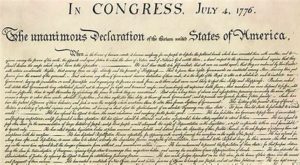
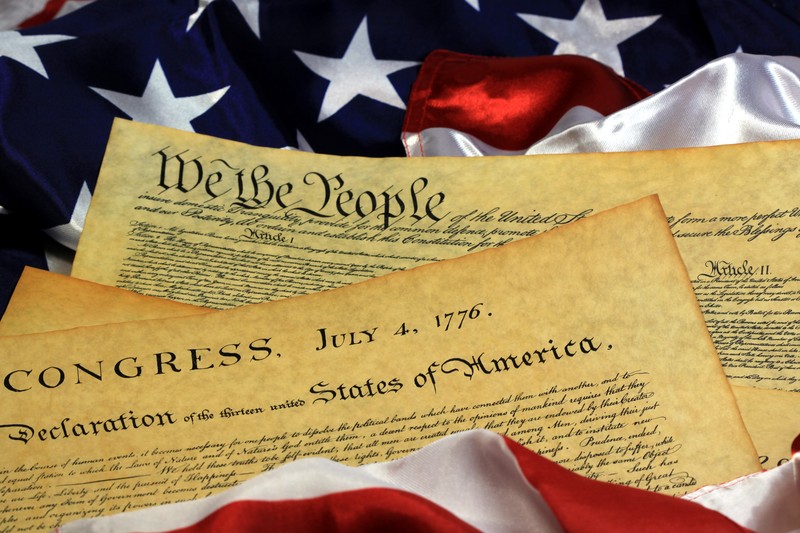
In 1776, the Second Continental Congress met in Philadelphia. On July 2nd, twelve of the thirteen colonies voted to adopt the motion put forth by Richard Henry Lee for Independence. Thomas Jefferson drafted the statement. Two more days passed with debate and revisions—86 changes—before, on July 4th, the Congress adopted the Declaration of Independence.

Most of the Congressional Delegates didn’t sign the Declaration for another month—the majority at an official signing ceremony on August 2nd. The original is kept with the Constitution and Bill of Rights; delivered in 1952 to the National Archives in Washington. D.C.

On the back of the original document—many copies (200, 26 of which survive today) were made and sent to newspapers and to the colonies to spread word of its existence—it is written: “Original Declaration of Independence/ dated 4th July 1776.”

A five-man committee drafted the Declaration. Its members were Thomas Jefferson, Benjamin Franklin, John Adams, Robert Livingston, and Roger Sherman. (Robert Livingston never signed it.)

The oldest of the men who signed the Declaration was Benjamin Franklin (70) and the youngest was a pair of 26 year olds born four months apart from Carolina. Nine of the men who signed it were dead before the end of the Revolutionary War 1783 (Treaty of Paris). When signed, the nation was comprised of 2.5 million people. (Today, there are 312 million or more Americans.) Charles Carroll of Maryland survived longest after signing, until 1832. He was 95.

The first man to affix his signature was John Hancock. The date was July 4, 1776. He was the President of the Second Continental Congress at that time. (Matthew Thornton, New Hampshire signed last in November 1776.)

John Adams became the second President of the United States and Thomas Jefferson became the third. Both men died on the same day: July 5, 1826—50 years after the first Independence Day.

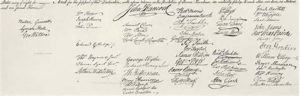
In total, 56 men signed the declaration. They mutually pledged to each other their lives, their fortunes, and their sacred honor.
What happened to the Founders who Risked All to Give Us Independence and Freedom?

According to Gary Hildrith at whatreallyhappened.com, the men paid dearly. Their fates prove freedom isn’t free.

Five men were captured, tortured and died labeled by the British as traitors.

Twelve men saw their homes “ransacked and burned.”

Two men lost their sons to the war, two saw their sons captured.

Nine men fought in the Revolutionary War and died.

They knew the penalty for declaring independence was death and deemed it a price worth paying. (Remember that next election, when you’re tempted not to bother to go vote.)

Many lost everything they had, including their families. Lewis’s wife was imprisoned and soon died as result of her confinement. His son also died in captivity. Another of the fifty-six lost his dying wife and saw his thirteen children scattered.

As Gary Hildrith said, “Such were the stories and sacrifices of the America revolution. These were not wild eyed, rabble-rousing ruffians. They were soft-spoken men of means and education. They had security, but they valued liberty more. Standing tall, straight, and unwavering, they pledged: “For the support of this Declaration, with firm reliance on the protection of the Divine Providence, we mutually pledge to each other, our lives, our fortunes, and our sacred honor.”

Homes were looted and burned. Businesses destroyed. Blood shed and families destroyed. No one had to tell these men that freedom isn’t free. They paid dearly with all for it. They paid because they believed in something greater than themselves. They believed in America.

Today, pause to think of them. Of what they risked, sacrificed, and forfeited to birth a nation where all men and women are free. Recognize and value that freedom. Know from history, how rare freedom is, and to retain it, you must guard and protect it. If you don’t, you will lose it. Pay attention not to what is said, but to what is done. Actions are more reliable.

If it’s been a while since you read the Declaration–or you’re an American who has no idea who we even fought in the Revolutionary War–this is the perfect time to pause and take a look at it. If they could do what they did for you to bestow the gift, the least we all can do is know it, remember it, and appreciate it. Without them, our lives would be very different, would they not?

____________________

© 2020, Vicki Hinze. Vicki Hinze is the award-winning bestselling author of over forty novels in a variety of genres including, suspense, mystery, thriller, and romantic or faith-affirming thrillers. Her latest releases are:  In Case of Emergency: What You Need to Know When I Can’t Tell You (nonfiction) and DEEP FREEZE, Stormwatch series. She holds a MFA in Creative Writing and a Ph.D. in Philosophy, Theocentric Business and Ethics.


Bookbub Follow


Posted in Uncategorized, Vicki Hinze | Tagged , , | 2 Comments

Continuing On by Nancy J. Farrier

Do you ever just want to run and hide? Do you have trouble focusing on the task at hand? 2020 seems like the year for hiding and running, except we have to do so at home. It’s hard to stay on task and do the job we’re supposed to do with all that is happening in the world right now.

Despair is one of the side effects of living with catastrophe after catastrophe. Feelings of inadequacy. Feeling that anything you do is pointless in the face of the adversity. Feeling that it’s better to eat, sleep, and binge television shows in the downward spiral we are in right now.

In I Chronicles chapter 21, Satan tempts King David to number the people. David sends Joab to get a count of the men, but after the census is done, God shows His displeasure.

“And God was displeased with this thing; therefore He struck Israel.” 1 Chronicles 21:7 (NKJV) 

David is humbled and begs forgiveness, so God gave him three choices as punishment: three years of famine, three months of defeat at the hand of their foes, or a plague with the angel of the Lord bringing destruction throughout Israel. David chose the plague.

 “And David said to Gad, “I am in great distress. Please let me fall into the hand of the LORD, for His mercies are very great; but do not let me fall into the hand of man.” 1 Chronicles 21:13 (NKJV) 

Seventy thousand men of Israel died in the plague. But, David chose correctly, because God looked and restrained the angel of the Lord. David saw the angel of the Lord with his sword pointed at Jerusalem and he and his elders fell on their faces before God and begged for the people’s lives. God heard them and stopped the plague.

 “Therefore, the angel of the LORD commanded Gad to say to David that David should go and erect an altar to the LORD on the threshing floor of Ornan the Jebusite.” 1 Chronicles 21:18 (NKJV) 

Here’s the interesting thing. The country has been hit with a horrible plague. They have far fewer people than we have in the United States, so seventy thousand deaths would be a good percentage of the populace. Fear must have been rampant in Israel. How do we know that? Because when Ornan saw the angel of the Lord, Ornan’s sons fled in fear. And, what is Ornan doing? What is his reaction?

 “Now Ornan turned and saw the angel; and his four sons who were with him hid themselves, but Ornan continued threshing wheat.” 1 Chronicles 21:20 (NKJV) 

Ornan continued with the job he’d been given to do. He was doing the work God assigned him to do. Not running and hiding in fear. Not spreading fear. Not wailing about what was happening to his fellow Israelites or could happen to him. He was doing his work. He stayed on task despite the plague and uncertainty.

Ornan ended up selling the threshing floor, his oxen, the implement, and the grain to David for the sacrifice to God. (He wanted to give them to David, but David insisted on paying him.) Ornan worked and he gave to God. What a testament to what we are to do.

When we are tempted to give up, to stop what we are called to do and say it isn’t worth it, we should think of Ornan’s example. We must continue to do the work God has given us and not listen to the whispers that tell us we are unworthy. Or the whispers that say what we’re doing is useless. Or the whispers that strike fear within us.

If God has called us to do a work, no matter what, then we must continue on. We must be faithful to Him.

 “Let us hold fast the confession of our hope without wavering, for He who promised is faithful.” Hebrews 10:23 (NKJV) 

Posted in Nancy J. Farrier | Tagged , , | 4 Comments

Hallelujah by Kathy Carmichael

Back in the seventies (I never thought I’d begin a sentence like that), churches were for the most part very traditional, unlike today’s churches which feature live bands, and contemporary Christian music, and lots of things that are unique to today’s church experiences. Okay, back in the seventies (it was lots of fun to say that so I needed to type it again), I was a member of a youth group at a nearby Methodist church.

BookBrushImage-2020-6-1-11-2828

I lived in the south (Dallas) and things were different back then. There was still segregation, but not the type mandated by the government. Businesses were mixed, but neighborhoods and churches, not so much. The church I attended was rather small and very welcoming, and while there were a few black families, it was attended primarily by whites and Latinos.

About two or three miles north of this church was another Methodist church, attended mainly by black families. Leadership at our two churches decided it would be beneficial for both churches to team up in order to expand parishioners’ horizons. For several weeks we would do things together. It was an excellent plan and I think everyone, from both churches, learned a lot about love, faith and how we are all simply human and not a color.

The first Sunday, a handful of visiting black parishioners attended my church. I loved it when one of the women seated near me raised her hands and arms, then cried out, “Hallelujah!” at something the minister said.

This was a new concept to our church. Mostly until then, people may have bobbed their heads in approval, but there was no waving or shouting. The idea of Spirit being so intense as to induce a verbal salute was novel to most of us. And I, for one, truly loved it.

What a joyful cry!

nathan-mullet-pmiW630yDPE-unsplash

The following Sunday it was our church’s turn to attend the sermon at the other church.

Their service was like going to a party! People stood and danced during the hymns (traditional songs, played on the organ). They cried out their happiness and their approvals with Hallelujahs and Amens.

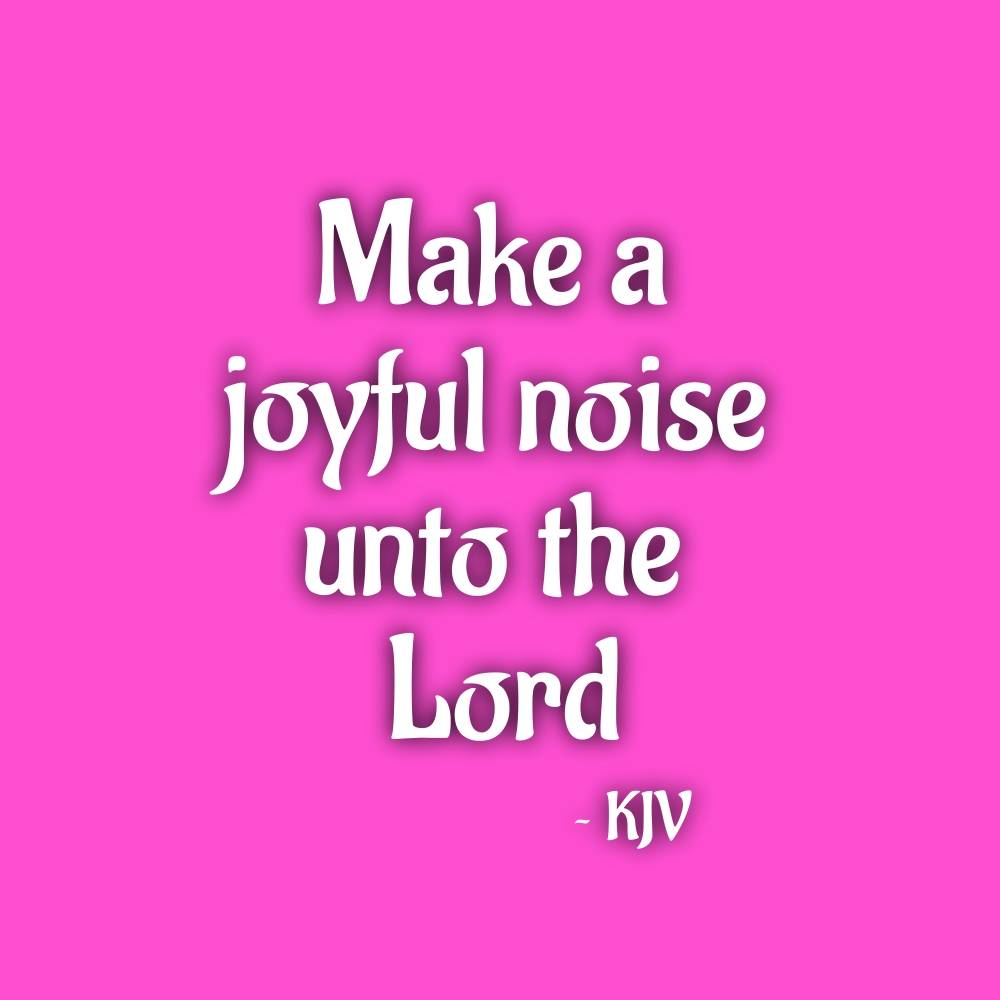
That Sunday service was profoundly beautiful and the experience has remained with me ever since. It gave new meaning to the verse from Psalm 100: “Make a joyful noise unto the Lord.”

The teaming up ended all too soon, but from then on, when I feel the depth of the Holy Spirit on me, I’m stirred to cry out, “Hallelujah!”

Posted in Kathy Carmichael, Uncategorized | Tagged | 3 Comments

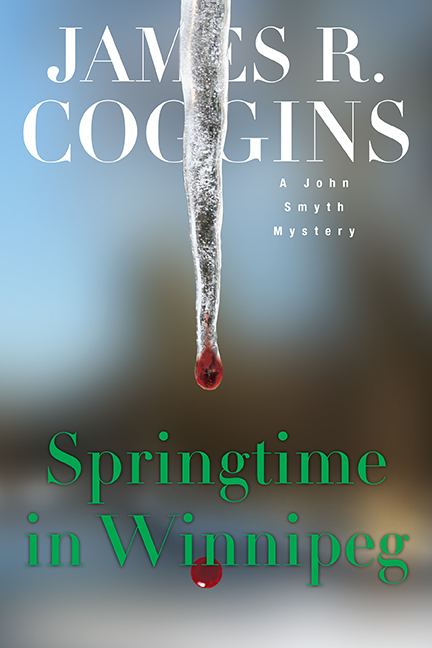
Keeping Busy during COVID-19 by James R. Coggins

The lockdown due to COVID-19 has given me a wonderful opportunity to slow down and pay more attention to the world around me. Here is what I have observed. 

1. It has rained the last seven weekends and ten of the last eleven here on British Columbia’s west coast. There is a reason (other than an inability to spell) that we call it the wet coast. Fortunately, on weekdays the weather has been good, mostly dry, comfortable but not hot, with highs usually in the low 20s. (Note to American readers: No, the temperature does not remain below freezing all summer here in Canada. Like every other country in the world, except the U.S., we use Celsius to measure temperature. Low 20s Celsius is equivalent to mid-70s on the Fahrenheit scale.) On the whole, we have had light but frequent rain, enough to keep the forest fire danger low but not so much that it causes flooding—I think this is called the balance of nature. Both our vegetable garden and our weed garden are doing well. That requires some explanation. We have decided not to weed the flower garden because a wild rabbit is using it as a hideout, and we think she may have babies. An “extravagant love for God’s soft, furry creatures” sounds so much better than “too lazy to weed.”

2. COVID-19 cases remain relatively low here in British Columbia (with new cases in the teens most days), but the economy is opening up, which has probably kept the rate from falling further. Social distancing has become routine, but people are getting complacent. Some of the rules baffle me. Following new rules, our family doctor has started wearing scrubs and a face mask, and they took all of the paintings out of his consulting rooms. He had beautiful paintings of horses. I guess they are worried about animal to human transmission. As well, we can no longer put soiled kleenex and serviettes in the city compost bins. We can still put half-eaten food in the compost bins, but the paper waste goes in the garbage. I guess the city cares more about the workers who collect the compost waste than it does about the workers who collect the garbage.

3. Our public library has reopened, for pick-up of ordered books only. We have to hold our library card up to a marked square on the glass door. Then the librarian opens another door a crack and hands the books over, across a table, in a big paper bag. Returned books are put in isolation for three days before sorting. The level of security here would put most of our local prisons to shame. It shows the great value our society places on books.

4. Since there are no new TV shows or sporting events, we are hard up for entertaining things to watch. Fortunately, we have the neighbors. Our favorite watchee is bored. He mows his lawn three times a week — on a big riding mower which can cover the whole lawn in about three passes. He is not allowed to go to his favorite fishing spot, so he practices fly fishing on the road. He is pretty good. So far, he has caught a lawn chair, a few trees, a stray cat, and a couple of neighborhood children — but no flies.

5. I have started editing a book for another writer, a Christian devotional book. I also figured out another interesting way to kill someone, so I have started writing another murder mystery. For some reason, James 3:10 comes to mind.[1]

6. I spent a whole morning last week defrosting our self-defrosting upright freezer. The tiny holes for draining the melted frost keep clogging up with ice, spilling water all over the laminate floor. Which, in my opinion, somewhat undercuts the value of the self-defrosting feature.

7. I trimmed my own beard last week. I didn’t attempt to cut my hair because it is hard to see the hair on my own head. I guess it doesn’t matter much since most of my hair has not been seen for decades. I cut the beard with an electric trimmer we bought for trimming the dog’s hair a long time ago. After a couple of attempts, my wife decided that it wasn’t working, so now we only use the trimmer on my hair. The dog goes to a professional for a $100 haircut, and I get the free amateur job at home. My wife loves the dog.


[1] “Out of the same mouth come praise and cursing. My brothers and sisters, this should not be.”

Posted in James R. Coggins | Tagged , , , , | 4 Comments

Family (by Hannah Alexander)

I recently received a letter from a long lost cousin on my father’s side requesting that I submit to a DNA test so she could do some family tree work. At first I wasn’t sure. I’m a very dedicated conspiracy theorist, and how was I to know this was even my cousin? I mean, I have tons of cousins on my mother’s side. We keep in touch all the time. I know some of them are doing research into our family.

But my father? I know very little about that side of the blood line. Plus, there’s the DNA testing…

Anyway, this cousin shared a bit more information with me, which convinced me she really was related by blood. In fact, she sent me a picture of herself, and we even look alike! So I’m in.

A few days ago Mel and I had family here from my mother’s side. In fact, we had planned to host a whole family reunion here for the weekend, but certain issues happening in our world convinced us to put it off for a year. Still, two brave couples came, spent time with us, and we had a wonderful weekend together. There’s something about family–and history–that keeps me feeling strong when I might have otherwise felt weak. I cried when they left. It does get lonely here in the frozen north without family around.

However…! I reminded myself that I have family with me every day, especially during my work week, which is six days long. I work with three other Christian novelists in real time. We see one another’s faces every day. I’ve been surprised by how much this time encourages me. We have so much in common. We novelists are a strange bunch according to most of the rest of the world. And yet when we’re together that strangeness helps us connect in ways that make us feel like family.

I recently discovered that one of our own here at Christiansread.com will be gone for a few weeks. I was disappointed because I enjoy reading her posts and responding. We are also family here. We belong to Christ, therefore we belong to one another.

I love how Christ’s blood is our own. We are family even if we’ve never met. We will always have Him in common, and therefore we are related. Sure, we have different ideas, different cultures and ways of talking, but when we’re related by the Blood, we are related forever.

The world feels dark now. It seems easier to get angry, to take offense, to be depressed. But we will never be alone. God has given us each other. Let’s deal gently with one another as we try to ease the pain and stress from one another’s shoulders.

Posted in Hannah Alexander | Tagged , , | Leave a comment

The Beauty of the Lord by Tara Randel

0602201005_HDR

Today I wanted to take a few minutes to encourage those who stop by and read this blog. Events of this world are confusing right now. I don’t know about you, but I scratch my head multiple times a day saying to myself, “What now?” While it is easy to get discouraged, the Lord is always with us and will always be with us, no matter what is going on outside our front doors.

In the Word, there are many scriptures about God’s protection. Here are a few that remind us that God is watching over us.

But let all who take refuge in you be glad; let them ever sing for joy. Spread your protection over them, that those who love your name may rejoice in you. Ps 5:11

You are my hiding place; you will protect me from trouble and surround me with songs of deliverance.  Ps 32: 7

“Because he loves me,” says the Lord, “I will rescue him; I will protect him, for he acknowledges my name.  Ps 91:14

Comforting words in time of strife. When I read these passages, they calm my spirit and I can continue on in my daily walk without feeling like the weight of the world is on my shoulders. (Because it isn’t!)

Along with protection is the fact the this earth is the Lords.

The earth is the Lord’s, and everything in it, the world, and all who live in it;  Ps 24:1

0623201024


How wonderful to know that the Lord is concerned about everything we go through! He knows our hearts, our fears, our joys. He stands beside us in our successes as well as our failures and loves us through it all. He bolsters our confidence and gives us strength daily. He is always with us.

And finally, my favorite scripture.

No one will be able to stand against you all the days of your life. As I was with Moses, so I will be with you; I will never leave you nor forsake you. Joshua 1:5

There is peace in knowing that God is in control, especially when we feel like we have no control of events around us. Call out His name and He will hear you.

Have a beautiful day!

Tara Randel is an award-winning, USA Today bestselling author. Family values, a bit of mystery and of course, love and romance, are her favorite themes, because she believes love is the greatest gift of all. Look for her Harlequin Heartwarming romance, Always The One, available now.  For more information about her books, visit Tara at www.tararandel.com. Like her on Facebook at http://www.facebook.com/TaraRandelBooks. Sign up for Tara’s Newsletter and receive a link to download a free digital book.


Posted in Tara Randel | Tagged , , , , , , | Leave a comment

A Faith Boost by Bridget A. Thomas

Over the last few weeks I have been talking about faith. We all want to have strong faith, but it is not always easy. Now, more than ever, we need to stand strong in faith. One key element of faith that I have mentioned each week is that God is our strength. We need to keep our focus on Him.

I have been reading (and re-reading) through the Psalms during the pandemic. They have brought me a lot of comfort in these difficult times. But they also have highlighted an important fact – God is our strength, our source and our provider.

I have compiled just a few verses that stood out to me which emphasize how God is our strength:

  • “But you, Lord, are a shield around me…” – Psalm 3:3
  • “…for you alone, Lord, make me dwell in safety.” – Psalm 4:8
  • “The Lord is a refuge for the oppressed, a stronghold in times of trouble.” – Psalm 9:9
  • “I keep my eyes always on the Lord. With him at my right hand, I will not be shaken.” – Psalm 16: 8
  • “I love you, Lord, my strength. The Lord is my rock, my fortress and my deliverer; my God is my rock, in whom I take refuge, my shield and the horn of my salvation, my stronghold.” – Psalm 18:1-2
  • “It is God who arms me with strength…” – Psalm 18:32
  • “You armed me with strength…” – Psalm 18:39
  • “…You are my strength…” – Psalm 22:19
  • “…my hope is in you all day long.” – Psalm 25:5
  • “The Lord is my light and my salvation – whom shall I fear? The Lord is the stronghold of my life – of whom shall I be afraid?” – Psalm 27:1
  • “The Lord is my strength and my shield; my heart trusts in him, and he helps me.” – Psalm 28:7
  • “The Lord gives strength to his people…” – Psalm 29:11
  • “…be my rock of refuge, a strong fortress to save me.” – Psalm 31:2
  • “He lifted me out of the slimy pit, out of the mud and mire; he set my feet on a rock and gave me a firm place to stand.” – Psalm 40:2
  • “God is our refuge and strength, an ever-present help in trouble. Therefore we will not fear…” – Psalm 46:1-2
  • “Surely God is my help; the Lord is the one who sustains me.” – Psalm 54:4
  • “Cast your cares on the Lord and he will sustain you; he will never let the righteous be shaken.” – Psalm 55:22
  • “In God I trust and am not afraid…” – Psalm 56:11
  • “You are my strength, I watch for you; you, God, are my fortress, my God on whom I can rely…” – Psalm 59:9
  • “But I will sing of your strength, in the morning I will sing of your love; for you are my fortress, my refuge in times of trouble. You are my strength, I sing praise to you; you, God, are my fortress, my God on whom I can rely.” – Psalm 59:16-17
  • “For you have been my refuge, a strong tower…” – Psalm 61:3
  • “Truly he is my rock and my salvation; he is my fortress, I will not be shaken. My salvation and my honor depend on God; he is my mighty rock, my refuge.” – Psalm 62:6-7

If you are struggling to put faith over fear, I encourage you to choose a Bible verse (either from one of the ones above, or another that you like) that speaks to you. Write it down on several note cards, and place them around your home, car, office, etc. Then any time you need a faith boost, read the verse and remind yourself that God is your strength.

© 2020 Bridget A. Thomas

person standing near lake

Photo by Lukas Rychvalsky on Pexels.com

Posted in Bridget A. Thomas, Uncategorized | Tagged | 6 Comments

The Anxiety Revelation by Julie Arduini

There’s a good chance I’ve written on this topic before. If so, I tried to search and the computer didn’t feel like cooperating. I’m going on faith that perhaps someone needs to read what I’m sharing today.

A couple days ago my husband got out his new collapsable ladder for little jobs outside. One of them was to help me clean a window I couldn’t reach. He insisted on doing it, whistling as he set it up. He climbed on it and started to spray. Then he started to sway and in 8/10th of a second, I saw about three different ways he was going to fall and be seriously injured or worse.

The metal plates he placed across the top started to give, but thank God, he regained his balance and the plates held. As if nothing happened, he calmly explained that he most likely put the plates on wrong.

My heart didn’t settle for an hour.

When we shared the visual with the kids later it was our son who pointed my side of the story out, “That’s classic anxiety.”

It took me decades, like until very recently and I just turned 50, to realize anxiety has been intertwined into my life for as long as I can remember. Nights before art class I used to stay up thinking through the scenarios because the teacher would call me out when my project was a dud. When my electronic alarm went off and I pushed the button to get the snooze on zero, I was convinced if I didn’t land on zero the first attempt, it wasn’t going to be a good day.

As a young adult, I was diagnosed with PCOS, polycystic ovaries, and I discerned as a new Christian something wasn’t right with my hormones. Instead of anxiety, it was depression that moved in when I married. I was too ashamed to seek help and assumed this was my lot in life. It was a hard, dark time.

I’ve been on medicine for the imbalance for over ten years. I regret not seeking help sooner, and I’ve learned to be a lot more honest with how I’m feeling. Still, I completely missed the role anxiety has played.

It was when I had another hormonal upheaval that I saw a glimpse. We were attending a community event that was very busy. Parking spaces were gone and folks were parking on the side of a road, a steep incline with no railing. When my husband attempted to park, I grabbed the door handle and begged him not to park there. I was convinced we were going to drive off the road and plunge to our deaths. When he finally did park, it was still a place I envisioned danger, and it robbed me of enjoying the event, something I suggested we do as a family. Once I had a hysterectomy, I felt so great that I assumed these situations were in my rearview mirror.

Until we moved into our new house. Humidity is a trigger for my hormones and we moved during the thickest of humidity and hottest of days. The garage was full of boxes and I remember our daughter asked me a question. It wasn’t a hard question as I recall, but I looked at her and felt my heart race. My breathing accelerated so fast I panicked thinking I would never catch my breath. I was terrified. It happened twice that weekend, and only later did I understand they were panic attacks.

I like feeling like I’m in control, and that felt woefully out of control.

Here I am, present day. I praise God that when the pandemic hit, I was not in emotional distress. I felt God in control and I suppose as an introvert, I was able to thrive in the stay-at-home conditions. Yet, I have an event coming up that on the world’s scale of stressful is probably a -5. I’ve buzzed through multiple scenarios that the event fails, is miserable, a disaster, and that I will run, freeze, overreact, get sassy, or burst into tears. There isn’t one positive picture I have, and I physically get worked up when others talk about it. I want to focus on the good, but my mind jumps off the cliff.

I don’t know when anxiety is going to hit. Here’s what I do know: I’m a work in progress. God is full of grace. I’m not where I was 20 years ago. I’m not where I was 2 years ago. God uses flawed people. Heaven is perfect and depression and anxiety don’t define me now, nor will they have access to me in eternity.

—Julie Arduini

Do you relate to any of what I’ve shared above? If so, if you have a personal relationship to Jesus, your eternity carries the same promises.

Although I’m upfront about being on prescription medication, I take vitamins/supplements that I find helpful. I try to drink more water. I find when I’m dehydrated, it affects me. I made fun of it for the longest time, but I started yoga last year for my back. I found the breathing techniques were getting me through stressful times. Just today we went on a day trip that included my husband tackling traffic in Cleveland. This usually has me holding on to the door handle with eyes closed. I caught myself taking deep breaths. It is calming for me.

But the biggest helps are because of Jesus. The last couple years I’ve learned to lament and I just lay it out, as messy as it is, I get it out of me and lay it at His feet. I don’t just verbally share, I picture telling Jesus everything and presenting all the anxious thoughts at His feet.

I dig in His word. There are so many verses to help. How deeply God cares. I lean on His words and work at transforming my thoughts. Am I perfect? No, even with this event I know I haven’t given Him the situation and trusted Him in it. But that’s my next move.

Again, I feel like I’ve shared before, yet something keeps tugging on me that I was meant to write about my husband teetering on that ladder and my less than faithful reaction.

There’s no shame in struggling.

But there’s no sense in going through it alone.

Posted in Julie Arduini | Tagged , , , , , , , , , , | 2 Comments

Going home in a book…

The best thing about books is that they transport you to another realm. And in this crazy time when we can’t travel, escaping in books is one way to get through these quarantine years. Okay, so it simply feels like years, but I was grateful to be writing a book set in my home state of California. San Francisco to be exact. I didn’t write the San Francisco of today, though it’s a contemporary. I am a fourth-generation Californian, and I wrote the San Francisco that I remember. A magical place with lights and brilliant energy, but also quiet, reflective moments at the beach and crab at the wharf. A place where you didn’t have to be a billionaire to own a boat and spend the day on the Bay.

Escaping to my home base when I’ve started a new life elsewhere was truly cathartic because I chose to only remember the good things. I once met Tony Bennett at the San Francisco Fairmont. I mean, how iconic was that?

I know that living in the past is a sign of getting older. I know that I probably remember it better than it actually was, but for this time in history, going “home” was the best gift of all.

https://amzn.to/2UBBbNV

Posted in Uncategorized | 1 Comment

What’s Your Favorite Book? by Nancy J. Farrier

What do you say when someone asks what your favorite book is? Do you have an immediate list of books you can’t part with, or does your mind go blank and you mentally say, “Books? What are books?” I have to admit I’ve been in both places.

It’s interesting when someone asks about my favorite book of the Bible. There are so many answers people give because we all have different needs in our lives and different parts of the Bible address those individual needs.

Maybe you love one of the gospels because reading about Jesus being born a baby and His ministry on earth is fascinating. We can learn so much from the way Jesus interacted with people.

What about the book of Acts? Don’t you love reading about the early church and the outreach they had? Maybe you love seeing God using very flawed humans to take His all-important message to the world.

Then there are the letters in the New Testament, or the Psalms with all the beautiful wording and encouragement. Proverbs has wisdom for us. Maybe the book of Esther where she stood strong against the threat of death for her and for her people. So many good choices.

How do you choose one book that is a favorite? I simply can’t. So, when someone asks me which Bible book is my favorite, I respond, “It’s the one I’m reading at the moment.” Because each book of the Bible has something unique to offer, and I am in love with God’s word.

Invariably, someone will ask, “What about Leviticus?” Who likes the book of Leviticus with all the rules and mandates laid out for the Israelites to follow? Or, what about First or Second Chronicles with all the lists of names that are impossible to pronounce?

Your love for scripture can supersede what some consider dry or boring. With the right attitude, every book of the Bible becomes a favorite. Consider Leviticus:

Leviticus shows us that God’s love is not that of a distant God. He cared about the Israelites to the smallest detail of their lives. He told them how to set up camp so the waste would not contaminate anything. He told them how to care for their homes if disease invaded. He told them how to wash, how to be clean after handling a dead body, how to purify themselves and stay healthy physically and spiritually. He cared about every part of their lives down to the smallest detail. He cares for us the same way. What a comfort that is.

What about all those lists of names? The sons of this person and that person. They’re all dead now so what do they matter? They mattered to God. Mattered enough that He had their names recorded just for being His. You can take heart as you read those lists that God cares for you in that same way. Read each name with purpose. Understand that this person meant something to the God of creation. Each individual was special to God just as you are special to Him today. 

Reading the Bible is so important. The words bring guidance and healing. They show the way, or the path God has laid out for you. These words are life.

So, if you have a favorite book in the Bible, that is wonderful. But, take the time to read those that are not your favorites and read them with an eye to what God is doing and how much He loves His people.

How much He loves you.

“All Scripture is given by inspiration of God, and is profitable for doctrine, for reproof, for correction, for instruction in righteousness, that the man of God may be complete, thoroughly equipped for every good work.” 2 Timothy 3:16-17 (NKJV)

Posted in Nancy J. Farrier | Tagged , , | 4 Comments

The Secret to Strong Faith by Bridget A. Thomas

Over the last few weeks, I have been talking about faith. I hope you have gotten some insight out of the posts. But perhaps you still have your doubts. Maybe the Lord is asking you to take a step forward, but you are hesitant. Fear seems to keep you glued right where you are. Today I am going to share a secret with you. This secret might give you the final push you need to fully embrace faith, move ahead in obedience, and leave fear behind.

The secret to strong faith is this: Faith is not about you. It’s about God.

Too often we allow fear to hold us back because we are focusing on ourselves, our strength, and our capabilities. But here’s the key: if God asks us to do something, we are guaranteed to have Him, His strength, and His capability. There is nothing He can’t handle, so we have nothing to fear. Dr. Charles Stanley often says that our job is to be obedient, and God will take care of the rest. There will be times when what He asks us to do might seem intimidating. But we step forward anyway, because we know He’s got our backs. We have the Holy Spirit living inside of us, helping us.

When we read about the people with strong faith in the Bible, we can see this secret so clearly. In the various stories I mentioned over the last few weeks, they all had one thing in common. The people were focused on God and His strength. They did not focus on themselves and their own strength. In Hebrews 11:6 it says that it’s impossible to please God without faith. We need to have faith in Him and Him alone. Not ourselves, not our circumstances, not our strength, not anything we can see with the human eye.

However, to get to this point, there’s a second secret I want to share with you: It helps if we know deep in our hearts how amazing God is.

If we don’t really know God, then we might have a hard time trusting Him. If we don’t realize how trustworthy He is, then fear might unpack and make itself at home inside us. So one vital step to keeping our focus on the Lord is to also get to know who He really is.

Here are some of God’s characteristics. I hope this list helps you to see how glorious He is:

  • God is love (1 John 4:8)
  • God is merciful (Deuteronomy 4:31)
  • The Lord is good (Psalm 34:8; Psalm 25:7)
  • God is righteous (Psalm 11:7, Psalm 35:28)
  • The Lord is forgiving (Psalm 86:5)
  • God is faithful (Lamentations 3:23, Psalm 25:10, Psalm 33:4)
  • Jesus is the same yesterday, today, and forever (Hebrews 13:8)
  • The Lord reigns forever (Psalm 9:7)
  • He is strong and mighty (Psalm 24:8)
  • God is loving (Psalm 25:10)
  • His love is unfailing (Psalm 44:26, Psalm 48:9, Psalm 51:1)
  • The Lord is awesome (Psalm 47:2)
  • God is reliable (Psalm 59:17)
  • He is compassionate (Psalm 111:4, Psalm 116:5)
  • The Lord is great (Psalm 135:5)
  • God is trustworthy (Psalm 145:13)

God really is magnificent! How can we not trust Him when we see just how trustworthy He really is. Once we get a sense of His greatness, this helps strengthen our faith in Him, and in turn helps us to walk in strong faith. Strong faith doesn’t mean we have all the answers or all the strength we need. But we do have the Lord who IS our answer and IS our strength!

© 2020 Bridget A. Thomas

sunset love lake resort

Photo by Download a pic Donate a buck! ^ on Pexels.com

Posted in Bridget A. Thomas, Uncategorized | Tagged | 9 Comments

After The Plague

Cataclysmic historical events are often followed by massive social changes. The effects of such events are complex, varied, and unpredictable. As well, these effects interact with the effects of a host of other events and developments, so that the direct causes of change can never be determined. Consider the following.

The Black Death

The Black Death or bubonic plague arrived in Italy from Asia in October 1347. Over the next five years, the disease killed about 20 million Europeans, about a third of Europe’s population. The worldwide death toll has been estimated to have been 70 million or more. Significant outbreaks of the disease happened again and again in Europe over the next two or three centuries.

The impacts of the Black Death in Europe are particularly well documented. One of the most obvious results of the Black Death was great fear and a morbid fascination with death. One of the common themes of art in that period was the “La Danse Macabre” or “The Dance of Death”—depictions of skeletons marching toward the grave.

This focus on death in turn had various offshoots. One of these was the search for scapegoats. People feared that the plague was caused by evil people poisoning the water supply or casting spells. The “witch hunts’’ of this era are well known, but the victims included Jews, minority Christian groups, and virtually anybody who fell under suspicion. The Inquisition, a process established by Roman Catholic bishops to check on the spiritual welfare of their dioceses, became a vehicle of oppression wielded by political and religious rulers. Those suspected of evil intent were often tortured until they confessed. They routinely admitted to fantastic tales of witchcraft and black magic, with most of the details being suggested by the interrogators. There were still some practitioners of ancient pagan religions in Europe, but most of the confessions were pure fiction, made up by people who had never dabbled in witchcraft but who were willing to say anything to satisfy their torturers. The suspects were then usually executed in horrible fashion. Mobs of fearful citizens also took vengeance on suspected enemies without any pretense of due process.

But not all of the consequences were bad. Cataclysmic disasters often clear the path for reconstruction of something better. In the face of death, many Europeans became dissatisfied with the means to salvation then being offered by a corrupt Roman Catholic Church—which in practice often consisted of nothing more than performing superficial rituals or paying money. The search for certainty of salvation and a more meaningful connection to God was a significant contributor to the rapid spread of the Protestant Reformation (which in turn also led to significant reforms in the Roman Catholic Church).

There were also socio-economic consequences. The rapid decrease in population meant that marginal farmland was abandoned, so per acre crop yields increased—there was more food. The shortage of workers gave the lowest classes more leverage, leading to the breakdown of feudalism. Many serfs (essentially slaves) became freedmen and were able to negotiate better terms with the upper classes who owned the land. The poor were better off. The aftermath of the plague increased opportunities and accelerated economic growth. There was a flowering of the arts and culture. These improvements cannot be solely attributed to the plague, but the plague was one of many factors in their development.

The Spanish Flu

The Spanish flu struck in 1918-1919 and killed between 17 million and 50 million people worldwide. It was one of a series of cataclysmic events in the middle of the 20th century, and it is difficult to disentangle the separate consequences of these events. The flu struck right after World War One (1914-1918), which had killed 15-22 million people.

There was a recession after the war, and the returning soldiers had trouble finding work. Nevertheless, there was some optimism. Some Christians literally saw World War One as “the war to end all wars” and Armageddon and expected the world to transition into the millennial reign of Christ. Alcohol had been outlawed, women had been given the vote, and many expected the world to be a gentler, more civilized place. Some considered the returning soldiers, part of the victorious army in Armageddon, to be exceptionally godly men who would become church pastors and lead a crusade for moral betterment. The reality was that many of the returning soldiers were deeply traumatized, hardened, and immoral. The Roaring Twenties were an orgy of excess, secularization, and pleasure-seeking.

The greed of the 1920s resulted in the stock market crash in 1929, and the world descended into the Great Depression of the 1930s. There was massive unemployment, poverty, starvation, homelessness, sickness, and death. One anomaly was that those who still had money and a steady income could afford to buy luxury goods, since labor was cheap and prices were low. In the 1930s, there was a large increase in the number of homes with such goods as radios and refrigerators. Yet this wealth was in sharp contrast to the deepening poverty of the masses. At the same time, record heat waves caused drought, food shortages, and famine, spawning descriptive terms such as “the Dust Bowl” and “the Dirty Thirties.” To date, I have found no completely satisfactory explanation for this heat wave or why it occurred at the same as the financial collapse. Some observers saw the multiplied catastrophes as a divine punishment. One might think that the desperate situation might have led to a religious revival, but the secularization trend of the 1920s continued. Instead of a return to God, the desperate longing for solutions encouraged the rise of brutal dictatorships in Germany, Italy, Spain, the Soviet Union, Japan, and other countries.

These dictatorships led to World War Two (1939-1945), which killed another 70-85 million people. It might have been expected that this further global conflict, following the other cataclysmic events of the twentieth century, would lead to further economic decline and further secularization. Instead, the 1950s saw a massive economic upturn and increased worldwide prosperity. Reconstruction transformed Western Europe and Japan. In North America, most of the returning soldiers found jobs, married, and had children (the Baby Boom), resulting in a renewal of family life and the rise of suburbs. Secularization continued in Europe, but there was a major (and completely unexpected) rise in church attendance in North America, as well as renewed missionary outreach in the Third World. There was also a decline in European imperialism, as former colonies became independent nations.

COVID-19     

So far, the COVID-19 pandemic has not produced death tolls anywhere near those of the earlier cataclysmic events. This is partly due to improved medical knowledge and treatments and the increased ability of governments to impose lockdowns and quarantines. But is there anything we can learn from earlier history that could tell us what might happen as a result of this current pandemic?

It is clear that cataclysmic events have massive repercussions in the social, cultural, economic, ideological, and political spheres—repercussions that are complex, interconnected, and eminently unpredictable.

Yet some vague outlines of change are beginning to appear. While the death toll for COVID-19 remains relatively low so far, there has already been massive economic dislocation from which it will take a long time to recover. Many jobs have been permanently lost, and many businesses have closed or will close. International trade will remain disrupted for years. There are already indications of increased levels of fear, conspiracy theories, scapegoating, racism, and extremism. Some leaders, in both dictatorships and democracies, have taken advantage of the situation to increase their power. (The Canadian prime minister’s suspension of parliament is not an isolated event.) Whatever ultimately happens, for good or ill, is not yet known. There will undoubtedly be surprises.

It is reassuring that God has promised to work for good in all things (Romans 8:28), in all times, places, and events. And so should we.  

Posted in James R. Coggins | Tagged , , , , , , , , , , , , | 1 Comment

Give Yourself (and Everyone Else) a Break! (by Hannah Alexander)

Since this blog site has been titled ChristiansRead, I’m guessing most readers here either like to read, like to write, like to edit, or just need connections with other Christians. We are likely from a great assortment of Christian denominations, and I think many of us had decided not to allow denominationalism to separate us. I love that kind of group.

I come from a Baptist background but I have wonderful friends in every category, and have found that we can speak the same language–that of our love for Christ.

We all have the Bible in common. So there’s a verse or three that I believe we can agree on. I Corinthians 13:4 states: Love is patient, love is kind. It does not envy, it does not boast, it is not proud.

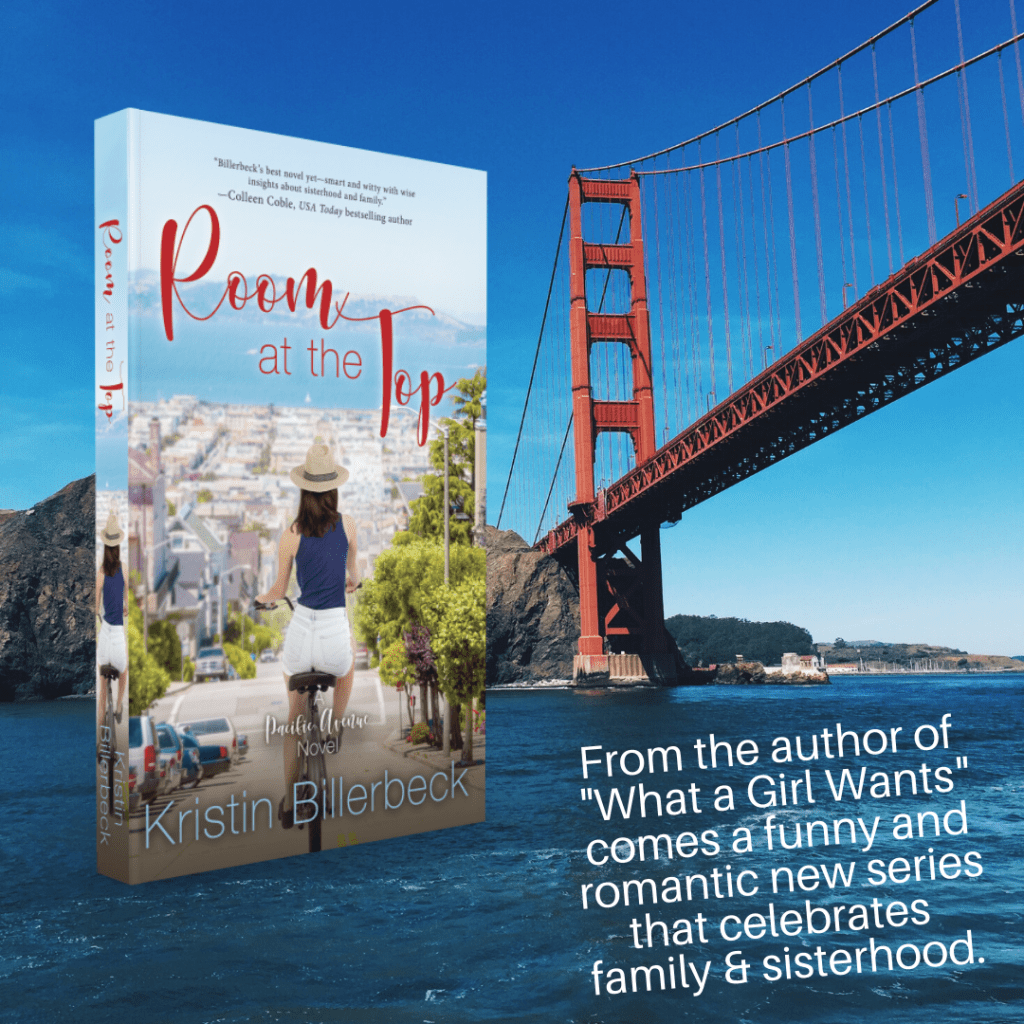
I’m focusing on envy part of the verse today. Those of us who are writers might be able to identify. For instance, I have had the great opportunity to work with Kristin Billerbeck on her soon-to-be-released novel, Room at the Top. It’s a very intelligently written book with such a smooth flow, exquisite insight, and laugh-out-loud humor that if I were to be the envious type–which I am not, of course, being the mature Christian that I am–I might have been tempted to hate her.

But that would be like the columbine in the picture above being envious of the iris. Or the onion bloom (or is that garlic? I think it’s garlic) being jealous of either. It would also be a sin because envying another writer would be disrespecting the talent God gave me specifically.

God gave us different gifts, different lives. I don’t envy the beautiful, slender, happy woman I meet at the grocery store, because envying her would mean I would want to BE her. Why would I ever want to be anyone else? Am I ready to take on the losses, the pain, the tragedies that person might have enduring in her life?

Envy has always seemed like poorly expended energy to me. Spending any time at all wishing you were someone else, or had someone else’s talents, instead of working on your own life and talents, is a waste. And if nothing else, I’m simply too lazy to do that. I have enough to worry about as I write my own stories, live my own life, manage my own joys and losses. If I spend any time wishing I was someone else, I’d lose the blessings God has in store for my life.

Is there someone you envy today? Honestly? Do you REALLY want to BE that person?


Posted in Hannah Alexander | Tagged , | 5 Comments