Years ago, we moved to a new house and discovered that there was an old-fashioned hardware store in our neighborhood. We found this store very useful, as the house we had bought was also old-fashioned and in need of regular maintenance. I have said before that as a handyman I am a good writer. Therefore, this store was a wonderful help. I could go in and say, “I need a whatchyamaycallit to fit on the thingamabob underneath the doohickey.” The old man who owned the store would nod thoughtfully and say, “I understand. I know just what you need.” Then, he would get a ladder, climb up, pull a box off the top shelf, blow the dust off it, and hand me the whatchyamaycallit that I needed.
Times have changed. The old-fashioned hardware store has been closed for a long time. In its place stands a massive hardware depot and home furnishings center.
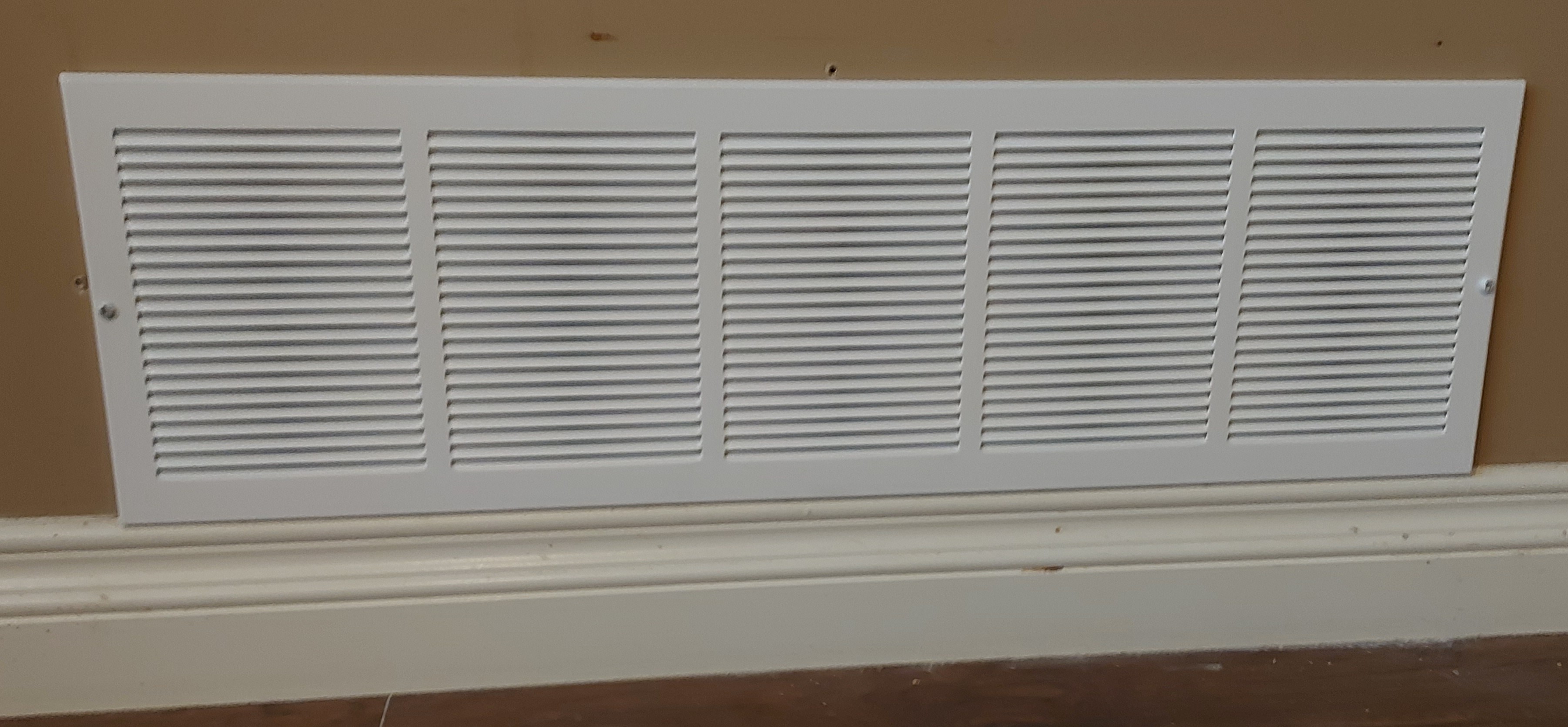
The other day, I needed a new cover for a cold air vent for the furnace. I went into the massive store, found a twenty-something clerk, and asked where I might find what I needed. Instead of telling me to go to “aisle 142,” he looked as confused as I was. So, he pulled out his cell phone to access the computerized inventory database. But which computerized inventory should he choose—the store’s database, the chain’s database, or one of the many suppliers’ databases? And what should he enter into the search engine to indicate what I was looking for? Was it called a grill or a cover? Was it designed to cover a cold air vent, a furnace vent, a return vent, or a wall vent? Apparently, the computerized databases were unfamiliar with the term “whatchyamaycallit.”
After a few minutes of searching, which produced long lists of things I didn’t want, the clerk consulted an older, more experienced sales clerk, a thirty-something woman. She pulled out her phone and began a new search of the databases.
Finally, they managed to locate what I wanted. The problem was that the largest cover/grill they could find was 30 inches by 8 inches and I needed one that was 32 inches by 10 inches. They undertook more searches but again failed to find what I needed. I left that magnificent new hardware depot disappointed.
What the sales clerks and the computerized databases didn’t seem to know, but which the owner of that old-fashioned hardware store could have told me in an instant, was that cold air return vent covers are sold by the size of the duct opening they are designed to cover. So, a 30-inch by 8-inch cover is actually 32 inches by 10 inches.
There may come a time when computers and AI completely replace humans, but that time is not yet. The time may come sooner than I expect as computers become more intelligent and humans become stupider. Already, some writers (not me) are relying on AI to improve or even produce their articles and books, and editors are relying on AI to edit those writings. But when we reach the point where computers know everything and we know nothing, how will we know if what the computers are telling us is right?
This article was written with the assistance of AI. That is, it was written on a computer and posted on another computer. The ideas and words are all my own, although I confess that I did receive some inspiration from the hardware depot’s databases.