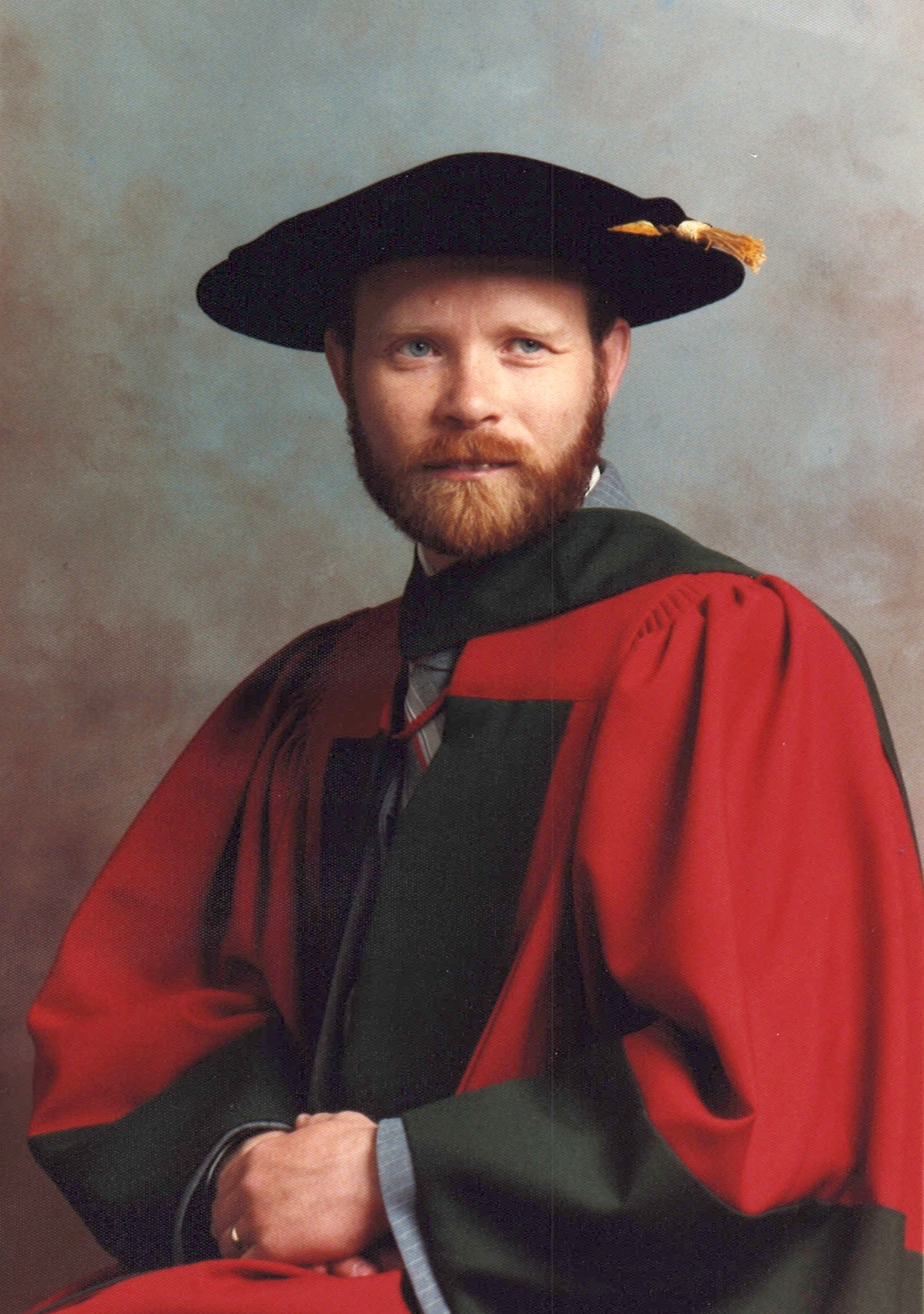
I have noticed a trend in academics. Graduating students are dressed in academic gowns and square hats (mortarboards). It does not seem to matter whether they are graduating from kindergarten (“the kids look so cute in those gowns!”) or elementary school or middle school or high school, the students are increasingly dressed in academic garb.
This is designed to encourage these students and build their self-esteem. They are being told that they have done something significant. Even though hardly anyone ever fails these grades anymore. The symbols of higher education have been cheapened to the level of participation ribbons.
Perhaps a little history of the academic symbols will clarify the issue. In the Middle Ages, “clerk” and “cleric” were the same thing. The only men who undertook higher education were those training for the priesthood. (The few women who entered academic training did so in nunneries.) It is true that many of those who graduated entered the civil service and became secretaries to kings and nobles and other rulers, but they were still considered part of the clergy.
The black academic gown was originally a priest’s robe. Those who put it on were declaring that they were entering orders. They were dedicating themselves to a life of service, service to God and humanity.
Those who graduated from the first level of training became “bachelors.” This designation is preserved in modern Bachelor of Arts and Bachelor of Science degrees. The simple term “bachelor” now denotes a man who has never married, but originally it denoted a man who had taken clerical orders and was now committed to a life of celibacy as a priest. (This is a far cry from the general sexual license practiced on most university campuses today.)
To symbolize that the candidate had passed from student to ordained priest, he was given a cap to go along with his gown, and sometimes a hood.
In time, a set of colored ribbons replaced the hood, placed around the neck over the black robe. The colors usually represented the graduate’s field of study and the unique colors of the university where the priest had trained.
The colors were especially present if the candidate had progressed to a higher degree than a bachelor. The quality of the cloth improved, and more color was added as the candidate progressed higher. Priests wore simple black robes, but higher-ranking clergy had more expensive, more elaborate, and more colorful garments, including more elaborate hats such as mortarboards or tams with gold tassels.
A bachelor could move on and earn a graduate degree and became a “master.” “Master” is related to the Latin “MAGISTER” (which is related to the word “magistrate”) and also has echoes of the Aramaic term “rabbi.” A master had a higher rank than a bachelor and was expected to exercise authority over those less qualified.
In time, an additional level of education was added, and masters could study further and become “doctors.” The degree PhD stands for “Doctor of Philosophy,” philosophy being considered the culmination of academic studies. Students studied grammar, rhetoric, and so on, but only the best were qualified to move on to study philosophy—“philosophy” is a Greek term meaning “love of knowledge.” To signify that a master had qualified to be a doctor, the tassel on his hat was moved from the right side to the left. This is still a central part of the graduation ceremony for doctoral graduates today.
The academic regalia has deep symbolism, similar to military uniforms. Every soldier or sailor or airman is qualified to wear the uniform. But only those promoted to a higher rank are allowed to wear the additional signia of bars and stars.
I was recently asked to teach a lesson on Reformation History to a Grade 8 class. I asked how many of the students loved school, and I received some positive responses. I asked how many of them would love to spend 27 years in school, and I received a much less positive response. I explained that I had spent 27 years in school, which is what is required to earn three graduate degrees. It was hard work and a long grind. Many who undertake graduate studies become exhausted and drop out before finishing. As a result of those 27 years of study, I am now qualified to wear the full academic regalia—just like every other graduate of kindergarten.