Choosing What to Read by Vicki Hinze

Choosing what to read, vicki hinze, christians read, books

Choosing What to Read by Vicki Hinze


I looked through a listing of books this morning and one snagged my attention. Migrations, Volume 1: Don’t Forget to Breathe by Ashim Shanker. I’m not sure what about it snagged my attention, really. The cover is black and gray, well, see for yourself:

Migrations, Volume 1: Don’t Forget to Breathe            Courtesy of Amazon.com


It isn’t the type of cover that would normally intrigue me into looking deeper. That’s not to say anything is wrong with it, only that it isn’t the type of cover on the types of books I usually seek. Maybe it is the arches, or all those doors… something about it intrigued me enough to focus on the title. Honestly, it isn’t a title that would snag my interest either, only it did, and so I clicked the link and viewed the book.


It’s classified as metaphysical. That’s not typically my cup of tea. But it’s also classified as “Free will and determination” and “philosophy.” I’m into philosophy, so that appealed. And I’m always trying to better understand free will. What Christian isn’t? It’s a gift to us from God, and we know the value of determination and there’s always more to be learned there. So I read on.


Oddly, I didn’t go to the book description but to the “About the Author.” Especially when we’re talking about things that impact thought and mind, well, I guard mine, so I like to know about the person I’m permitting to enter.


Here’s what I found on Amazon.com’s product page about the author:


“Ashim Shanker has never been, and probably isn’t yet, but certainly aspires to be. Surely, one day he MIGHT be, but there is no guarantee he WILL be. He was disappointed to find out yesterday upon waking that he still wasn’t, nor would he be for the rest of the day. But still, today has not yet passed. So we must wait and see. In the meantime,  we cannot rule out the possibility, however negligible, that he will have been at some point in the distant horizon. Yet, for the present, we are still faced with the bleak and disheartening probability that he never was, nor shall ever be. Whatever comes of such confusing matters, he nonetheless appreciates the interest of the reader and apologizes in advance for any time that is sure to be wasted in pointlessly deciphering the befuddling words of this trifling wannabe.”


Admittedly, I’m a practical idealist. There’s good versus evil, and good wins because it doesn’t quit and it chooses good over evil most often. Simple woman, simple outlook. But the writer in me was extremely intrigued by this paradoxical author’s self-view. Was this biography a deliberate attempt to manipulate? The sign of someone totally confused? Or someone trying to woo others with a mystical type of enchantment? Or was his purpose something else entirely?


I wasn’t sure. The Kindle edition happened to be free so I clicked it. That writer’s curiosity in me wanted to find out the rationale for that type of “About the Author” statement, and since there’s bits of the author in the books s/he writes, what better way to discover those answers than to read the work?


Only then did I go back to the page and read the book description and then the reviews. The description kind of made my eyes roll back in my head, but then I’m of the Twain persuasion—never use a nickel word when a penny one will do—and the reviews were mixed. Some accused the author of self-importance and useless bloviating, attempting to impress with his intellect. Others felt the work represented exactly what it said it would. One remarked that the author didn’t take himself too seriously and provoked thought. Humor was mentioned.


That’s a good balance, as reviews go. If everyone loves it or hates a book, okay. But it’s when there’s a mix of reviews on a book that I’m confident it touched people in some way, and being touched (versus indifferent) is success.


So I remained intrigued by this author and wanted to read his thoughts. As I said, I’d already downloaded the book.


And then I looked at the “also boughts.” You know, on the product page, down at the bottom where it says what other books customers who bought this one bought also.


Had I read it first—and just being honest here—I wouldn’t have downloaded the book. Foul language leaves me cold. But there was also a Jane Austen title. So again, a mixed bag.


Now, this discovery surprised me—about myself. The author didn’t write those other “also bought” books. Didn’t title them. They had nothing to do with this book. And yet I would have made a buying decision based on them.


That would have been unfair. So I guess that’s why this venture worked out as it did—to reveal that unfairness in me to me.


I shall read the first three pages of this book and then decide whether or not to read on.


Obviously, I can’t recommend the book since I’ve not yet read it. But I discovered, along with the admitted unfairness, I also do not choose what to read as a reader. I choose as a reader and writer. Maybe the two are inseparable. I’ll need to think more on that.


What’s fascinated me about this is I didn’t choose to get a book based on the book but because the author was interesting—characterization, I find fascinating. Is that common? I don’t know. Is it?


What makes you choose the books you choose?


That isn’t a rhetorical question. I really would like to know, so I hope you’ll share your thoughts with me in the comments.


Blessings,


Vicki

Posted in Uncategorized, Vicki Hinze | Tagged , , , | 1 Comment

Divine Moments: God Uses Book to Touch Others by Yvonne Lehman

Divine Momemts Cvr YvonneOne can expect the unexpected when writers get together at a gathering or a conference. At the May 2012 Blue Ridge Mountains Christian Writers Conference, Cindy Sproles told of a miraculous story of God showing up in a surprising way and place. I added my own story. Other conferees sitting around after classes, added theirs. I said, “Somebody…should put these stories in a book.”


Well, the word got around and eventually Terri Kalfas of Grace Publishing contacted me and asked how “My book” was coming along. So… that was the real beginning of what became 50 inspirational stories written by 37 authors in Divine Moments.


The authors did not get any compensation and all were eager to donate royalties to Samaritan’s Purse. Twenty-three of the authors did show up at the Blue Ridge in May (2013) to get their one-free-book! I’ve never seen such a happy bunch of people. We were experiencing the joy of having given. We were getting a great blessing.


But the blessing has gone far beyond our feelings. God is using this book to touch others. There have been many testimonies but this one I’d like to share with you:

One of the authors had talked for years to her family about accepting Jesus into their hearts but to no avail. However, upon reading her story, the family is receptive to talking about God and Jesus and one family member has become a Christian. In addition to that, the article was read by the woman who led the author to Christ over twenty years ago. That woman has invited the author to come and speak to her prayer retreat group.


There are wonderful stories that can be told by each of us about what God does in our lives. The next in the “Moments” series is Christmas Moments (to be released before Christmas). That too, has 50 stories with an inspiring faith focus.


At the Blue Ridge “Autumn in the Mountains” Novelist Retreat (October 19-22), I will be announcing the opportunity for others to get their stories in print and have that inspiring, encouraging affect on the readers. The next one in the series is in the idea stage but will likely be Spoken Moments.


Some of you reading this may have a story about words having had a negative effect on you and how you overcame that, or words having had a positive effect and was a life-changing time for you. Some may have stories of God “speaking” to you through his Word, through other, through circumstances. If you would like to submit a story (500-2000 or so words) for consideration, without promise of compensation except joy, email me: yvonnelehman3@gmail.com


May your moments be blessed.

Yvonne


Posted in Uncategorized, Yvonne Lehman | Tagged , , | 1 Comment

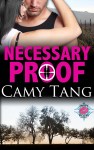
How do you use Goodreads? by Camy Tang

I’m in a Facebook group and we recently got into a discussion about how we each use Goodreads. I discovered that everyone seems to use Goodreads differently, so I wanted to ask you guys how you use Goodreads (if you’re on there at all).

Do you belong to groups on Goodreads? Which groups do you interact with the most and why?
Do you pay attention to the Updates tab on your home page to see what your Goodreads friends are doing?
Do you notice when your Goodreads friends add a book to their To-Read shelf?
Do you use Goodreads shelves to organize and catalogue your books?
Do you pay attention to reviews on Goodreads when choosing your next book?
Have you ever bought a book because someone on Goodreads recommended it, whether through the “recommend a book” feature or from a post in a Goodreads group?
Do you use the trivia? Quizzes? Quotes? Reading Challenges? Creative Writing community?
Do you enter Goodreads contests for free books? How do you decide which contest you enter? Or do you just enter a whole bunch of them since the chances of winning are low?

Personally, I mostly use Goodreads to interact on groups, especially Christian Fiction Devourers. I also really enjoy the Reading Challenges on Christian Fiction Devourers and have used the challenges to whittle down my TBR Pile this year.

I have a Camy Tang/Camille Elliot group–it’s small, but I always try to answer within a day or so if anyone posts.

I’m also on a few smaller groups like a few Regency romance groups. They’re not active, but the discussions are interesting, and I especially like the recommendations for new Regency romances.

I don’t really use Goodreads to catalogue my books because I already had several thousand books listed in my book catalog program (I use Booxter) on my computer before I started using Goodreads, and frankly, I’m too lazy to input all my books into Goodreads when I already have everything organized and catalogued in Booxter.

I admit that it is useful to put books in my Currently Reading shelf to remind me which books I should start next, because sometimes I’ll forget. So it’s not really my Currently Reading shelf, since they’re all books I haven’t started yet, so much as my Remember-to-read-this-next shelf.

I also admit that I don’t really pay much attention to my friend updates. I’ll read them, but the books they add to their To-Read shelf don’t really spark any interest in me because a lot of people add books to their To-Read shelves, especially when they enter a Goodreads contest. So To-Read shelf adds don’t interest me. Neither does the Recommend this book to a friend feature–when I get recommendations from my Goodreads friends, I usually ignore it.

But if someone on one of my Goodreads groups posts in a discussion thread about a book they really enjoyed, then I’ll pay attention and sometimes buy the book based on their recommendation. Also, if I see in my update feed a friend who reviewed a book, I sometimes read the review if the book looks like a genre I enjoy, and I might buy the book based on their review.

I sometimes enter contests, but only for books I think I’ll read. I like entering contests for books from new-to-me authors, so that I can try the book. I don’t often buy books from authors I’ve never read before–usually I only read books from new-to-me authors if the ebook is free. I just don’t have the money to buy so many books, and these days, ebook bargains are pretty commonplace so I can always find a free book that looks interesting.

Well? How do you use Goodreads?

Posted in Camy Tang, Uncategorized | Tagged | 10 Comments

Memoirs, Anyone?

I have a friend who reads almost no fiction. Although she isn’t much of a reader, when she does choose a book it’s either non-fiction or a memoir. I suppose she might secretly believe reading fiction is a waste of time, since it isn’t an account of actual happenings. Reading a novel, after all, takes a lot more time than escaping into a two-hour movie, so justifying that much time spent for pure enjoyment might not make it on the to-do list.

Being a fiction writer, I like to think there is a lot of truth between the pages of most novels. We can learn not only about various settings, historical or contemporary, familiar or exotic, but also about people and why they do things. Through fictional characters we can deepen our faith or expand our education, we can learn compassion for a different experience or point of view, feel emotions as we step into the shoes of someone entirely different from ourselves.

Memoirs can do this, too, but one thing I’ve come to warn myself when reading a memoir is that the author can fall into an easy pitfall – letting too much pride show, whether intentionally or not. In the memoir I’m reading now, the person is usually one step ahead of everyone else, recounting things that make her look just a tad bit better than those around her, either smarter, more selfless, or more brave. Of course memoirs are usually written by people who have admirers of one sort or another, so there is likely something to – well, admire – about that person to begin with. But when memoirs feel like the world spins with this person at its axis, that’s when a memoir stops working for me.

Maybe if more of us, myself included, ever wrote a story of our lives we too might be tempted to describe our experience as just a little bit better than reality. Or worse, depending upon the point of the memoir. We’re all so naturally self-centered, and of course memoirs feed this.

Can you guess I’m not the biggest fan of memoirs? I should probably apologize to those who love them. But there may be hope for me – perhaps I just haven’t read the right ones yet!


Posted in Uncategorized | Tagged | Leave a comment

Dear Hannah by Hannah Alexander

Hannah Alexander logo

Are you ready for some more fictive advice for the lovelorn? Push aside your disbelief and read along. These may not be real, living breathing people, but you can pretty much count on someone in the world enduring what they’re enduring, and since I’m writing their stories, I can help them better than anyone. You can find these characters in a story set during Christmas in a book called Dandelion Moon.

Dear Hannah,

My fiance just fired me! Well, okay, he didn’t exactly fire me, I happened to overhear him explaining to a nasty woman on the hospital board why he hasn’t fired me yet. So he was planning to. I beat him to the punch out of self-preservation. We’ve had our differences. I mean, major differences, ones that broke up our engagement last year. I don’t want that to happen again. If it did, I think I’d give up on romance entirely. What’s the use? All that happens when it comes to romance for me is that I get hurt, or someone else does. Why bother?

Dr. Joy Gilbert

Dear Joy,

So you were eavesdropping and overheard something you shouldn’t have, then perhaps jumped to a conclusion? How can you know for sure? You didn’t give him a chance to explain? If you’re engaged to this man, do you think you might be able to guess what he’d have done if you hadn’t confronted him about it? Do you often feel the need to be in such control of your life that you force the issue to keep someone else from hurting you before you can defend yourself? I get the impression you don’t completely trust this fiance of yours after one breakup. Maybe the two of you need to spend a little more time together and get to know one another more. Time spent doing that might sound frustrating, but until a couple knows each other’s foibles and each can trust the other and still love them during the rough patches, time seems to be the best antidote for the questions running through your mind right now.

Why don’t you see if someone else might be behind this awful exchange? Is there someone who wants to hurt  you? Don’t automatically blame the fiance. Even in small towns like Juliet, there are mean people. Don’t let them win. Trust in love, and wait until it’s right. You’ll know.

I wish you the best,

Hannah Alexander

Posted in Hannah Alexander, Uncategorized | Tagged , , , | 1 Comment

It’s a Smoothie Life

So I made this smoothie: Two little lemons–whole (peel, pith, seeds, you get it)–two palm sized broccoli florets, one whole zucchini, handful of baby carrots, kale and spinach…no, wait, here comes the sweet part: frozen mango, two bananas, and some thick berry juice. Blend it, blend it, blend it and voila! So refreshing. And I got to wondering, why does this work? Sour, bitter, pungent–shouldn’t that ruin the rest? Like a parking ticket ruins your day, or gossip ruins a friendship, or grief makes life hard to bear.

But what if it were only mango, banana, and berry juice? Where’s the tang, the nutrients, the fortification? The first taste of sweetness is a delight, but after a while it either loses its impact or cloys. There’s nothing for the other taste buds that just lie there unstimulated. That seems like a life with no risk, no sacrifice, no effort or even failure. But aren’t these what make us better–or at least try harder?

I read a booklet years ago called Conformity with God’s will. The premise was that we should delight equally in trials and triumphs because the whole of it is God’s purpose for us. The blending of the sorrows and the joys, the bitter and the sweet, the pungent and the pleasant prepares our souls for Christ.

I wonder what would happen if I embraced irritations, popped them in the blender with amusements. Heartache, in you go with ecstasy, because who can sustain either? But isn’t one better because of the other?

In Paul’s words to the Philippians: “I know what it is to be in need, and I know what it is to have plenty. I have learned the secret of being content in any and every situation, whether well fed or hungry, whether living in plenty or in want.”

Now, as I work my straw over the bottom of the glass, I’m fairly confident I’ll be healthier for it–and thankful that life has the richness and texture of whatever experience the Father knows we need.

Posted in Uncategorized | Tagged , , , , , , | 2 Comments

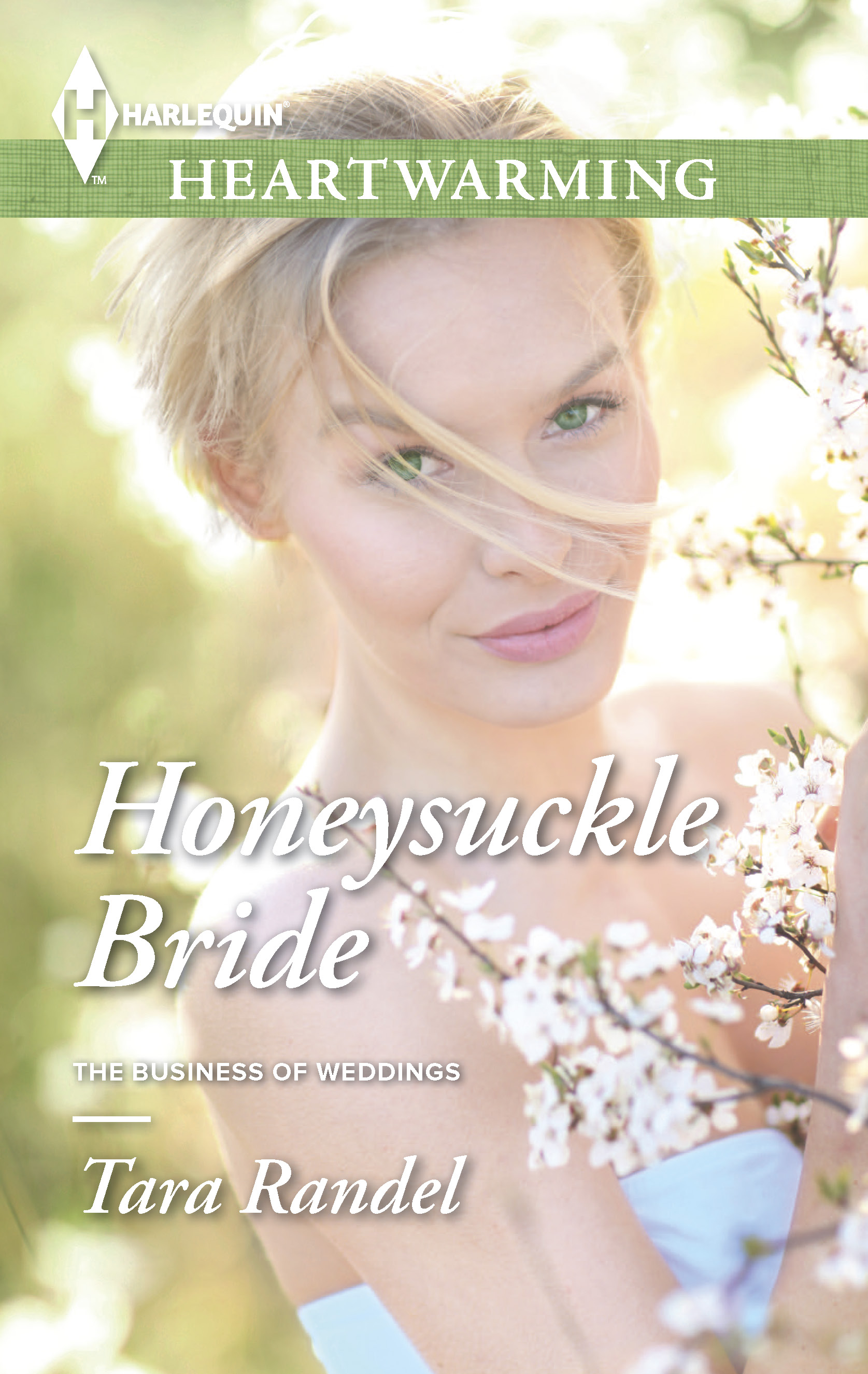
Life’s Projects by Tara Randel

Last time I posted, we were beginning a remodel of our house. I’m pleased to say, the work is almost finished. My husband is putting down the floor and then everything will be complete. Or will it? After the floor, we have to install baseboards, then paint. Finally, my favorite part, we get to move the furniture back in.

It seems as though life is a never ending project. Just when we think we’re near the end of one thing, another project pops up. The only constant in life is our relationship with God. He is there, every step of the way in our journey, giving encouragement, strength and most importantly, listening. His shoulders are wide enough to carry our burdens and his love is deep enough to touch us no matter what is happening in life.

Psalm 24 is one of my favorite scripture verses. When I read this, I’m reminded that no matter what life throws at me, I will worship the Lord. With Him, I’m never alone. He is in control. And knowing this, I can move from one project or circumstance to another, through joy or sorrow, and share it with the Almighty God.

Throughout the mess of the remodel and the stress of having the house upturned and my schedule out of place, I found myself thinking about the Lord more than usual. Praising His holy name for who He is. Maybe getting out of my comfort zone was a good thing. Even in change, God is bu my side.

Enjoy reading this Psalm. Take the time to meditate upon it as you go about your day.

Psalm 24
The earth is the LORD’s, and everything in it,
the world, and all who live in it; for he founded it on the seas
and established it on the waters.

Who may ascend the mountain of the LORD?
Who may stand in his holy place?
The one who has clean hands and a pure heart, who does not trust in an idol
or swear by a false god.

They will receive blessing from the LORD and vindication from God their Savior.
Such is the generation of those who seek him, who seek your face, God of Jacob.
Lift up your heads, you gates; be lifted up, you ancient doors,
that the King of glory may come in.

Who is this King of glory? The LORD strong and mighty, the LORD mighty in battle.
Lift up your heads, you gates; lift them up, you ancient doors, that the King of glory may come in.
Who is he, this King of glory? The LORD Almighty—
he is the King of glory.

Posted in Tara Randel, Uncategorized | Tagged , , , , | Leave a comment

How Writing is Like Moving by Julie Arduini

This past year has been full of adventures both in and outside my writing life. I had the opportunity to sign contracts and move forward in the publication process. Most of my time has been spent with our journey to move to what we call our “forever” home.

We’re now in our new place and although there’s still boxes to unpack, I’m already reflecting. I realized that a lot about the moving process reminds me of writing.

1. Plotting it Out

I’m a planner and organizer. When we first started praying about the move we listed what God laid on our hearts. The needs for the new home. As we progressed and I started packing things up, I labeled boxes. I wrote the name of the room I wanted it in and what the contents contained. This has been a life saver. When I’ve been asked “Where is the…” even if it’s still packed, I pretty much know where it is.

My writing life is like that, too. I’ve tried to be “seat of the pants” when it comes to plot and it isn’t natural. I don’t write every detail down, but I need a plan. My characters need a background and it’s important to write it out.

2. The Sagging Middle

There was the time in the real estate process when we had to wait on others and we didn’t know how long things would take. Now that we’ve been in the house two weeks there are boxes I can tell aren’t as critical because they’re still in the hall.

Like writing, the beginning and the end are exciting to me. Bridging those has never been easy, and I have a feeling I’m not the only author with that struggle. They don’t call it the sagging middle for nothing.

3. The Euphoria

Signing our name on the paperwork was exciting. Receiving the key? Try and stop our grins. Sitting in our chairs in the Florida room watching the birds at the feeder brings about a joy I can’t describe.

Putting my name on three contracts this year was an amazing feeling. Revising a chapter and receiving great feedback brings about an excitement most outside of writing wouldn’t understand. Hitting send on that manuscript? It’s euphoric to finish and know you’ve done your best and it’s time to let the baby go.

I’m sure there’s more similarities I’ll think of as I keep unpacking but those are the ones that came to mind.

Are there any you can think of?


Posted in Julie Arduini, Uncategorized | Tagged , , , , , , , , , | 1 Comment

THAT’S MEDICAL DIALOGUE? by Hannah Alexander

Hannah and Alexander

Hannah and Alexander


I’m taking a detour from my Dear Hannah posts to share some light dialogue that often takes place in our house when I’m working on a medical scene. As you know, Mel and I work together on our Hannah Alexander novels, hence the pen name. I’m the writer, he’s the medical expert, but as you can see, sometimes he’s a bit too much of an expert, and I have to get him to dumb it down for me a little.

“Honey, I need you to give me a little information about pain,” I said one day. I was hoping for some helpful information about how to treat chronic pain. I should have made myself clear.

“Pain is usually a reflex arc,” he said. “Every part of a pain response is in two parts.”

“Two parts? I feel just that one part. The pain itself, and go slowly because I’m typing this down.”

“The two parts are afferent and efferent. Afferent is affect, and efferent is effect–”

“Wait, slow down. What was it you just said?”

“The classic is you put your hand on a hot stove and you don’t know it’s hot. Pain is the afferent, or the affect. As a result of the brain feeling pain, it triggers you to pull your hand back, therefore it’s efferent–or the effect. It’s what the muscles do in response to the pain. So a reflex arc doesn’t require a higher brain function.”

“I want something that will affect the effect, then. Something to tame the pain. Simply, please.”

“If you take away the cause, you take away the pain.”

“Yes, well, that’s the problem, isn’t it? People in pain don’t always know what’s causing it, or why it continues year after year. I have friends who have three different doctors telling them three different reasons for their pain.”

“Then while they’re trying ot figure it out, they need pain blockers, which could be simple aspirin or other over-the-counter pain reliever.”

“What if those don’t work?”

“If you’re talking about narcotics, those aren’t drugs most doctors hand out like candy. Ultram is a newer pain med that works pretty well and doesn’t have as much of an abuse potential, so the docs are more likely to write a script for it. However, if someone already take narcotics for pain–”

“Isn’t there something else. Maybe topical?”

“There’s always the pain patch prescription, but that’s narcotic, too, and we’ve actually had patients take those patches and try to lick all of the medication from them and come in with an overdose. More than one died.”

“That’s tragic, but you’re talking about people you see in the ER who abuse the drugs you give them. I’m talking about all the suffering people who can’t get a doctor to listen to them because the minute they mention chronic pain, the doctor and staff automatically cry ‘drug abuser!’ and they get no help. What can they do?”

“If they can’t adequately block the pain, then they distract, such as with a TENS unit. It comes from the term trans cutaneous electrical nerve stimulation.”

“Hold it, how do you spell cuta–”

“It substitutes one pain for another, but the electrical stimulation distracts from the old pain, and if the original pain is bad enough, the electrical shock can be a huge relief, but it doesn’t typically last long after it’s taken off. Still, if utilized every day–”

“What’s longer lasting?”

“Exercise can sometimes help. Everyone should exercise every day, anyway, but particularly those in pain. Stretches and physical therapy, massage, all those have their place when treating pain.”

“It’s hard to exercise when it hurts to walk.”

“Well, then, any kind of stretching, movement of any kind, can help. A patient can’t just give up and lie in bed or it’ll get worse. For chronic pain, if it’s localized, depending on how much burning a patient can stand, there are non-narcotic patches and creams, even a roll-on liquid that has a pepper agent in it that burns the skin and sinks in deeply. The burn tends to go away if you can stand it long enough.”

“All right! Now we’re on a roll. Are you talking about capsaicin?”

“It comes in all heats, and the hotter the better as long as it doesn’t blister. It isn’t just a distraction. Some studies say it might actually release endorphins that will help with a healing process. It might not last forever, but–”

“How does a true pain patient convince a doctor that she’s in authentic pain and needs real help with it when there are so many who fake pain to get–”

“A classic example for fixing pain is to liken it to a broken bone that’s out of place. When you reset it, lining the bone up is probably as good at pain control as blasting the patient with pain medi–”

“No, honey.” I knew my time was short. He was experiencing a high of his own. His high is medicine. “Please go back to the chronic pain treat–”

“It’s the same with dislocations. It hurts when something is dislocated, and it hurts getting it back into place, but the body wants you to know about the problem with a lot of pain. You fix it, you’re better. Like a thorn in the foot. You don’t take pain meds for the thorn in the foot, you remove the thorn.”

“Okay, got it. Thanks.” Sigh. I’d gotten as much from him as I was going to. He was on a roll, and sometimes I lose him to the subject matter when he’s in his zone.

“Oh. Okay, sweetheart. Is that all you needed?” He looked disappointed. He could have continued for hours. He loves to teach medicine.

“Yeah, once I get it sorted out.”

So, if you have chronic pain, did you get all that? I’ve found that since I have a family doc I’ve gone to for years, he knows I’m not a drug seeker, but I’m one of the lucky few. He’ll work with me. If you’ve found any other great methods to help with chronic pain, please have a heart for the rest of us and share?


Posted in Hannah Alexander, Uncategorized | Tagged , , , | 4 Comments

Reading…Reward or Punishment?

I can’t remember a time when I didn’t love books. When I was a child, I used to smuggle a flashlight into my room at night so I could hide under the covers and read after my mom had turned out the lights. My favorite place to hang out was the local library. The librarians all knew me by name and were never surprised when I showed up several days in a row and stayed for hours.
And then there’s my youngest son, Chris. I read to him before he was ever born. When he was a toddler, we spent countless hours snuggled up on the couch together as I read to him. I’d no sooner finish a story than he’d clap and yell, “Again!” I even used his desire to hear me read to him “again” to my advantage by saying things like, “Okay, as soon as you pick up your toys, I will read it again.” It worked for a while.
Then he got older and more into TV and sports and early versions of video games, and reading nearly disappeared from his life. I remember one day in particular when he was whining about being bored, so I suggested he read a book. His eyes widened and he said, “Why? What did I do?”
I was devastated. When had reading ceased to be a reward and become a punishment? Was it my fault? Had I allowed that to happen through bad or lazy parenting techniques? Or was it simply a natural progression for a child growing up in a technological world, with so many entertainment options that books were relegated to the “boring” pile?
I really don’t have an answer for that, as I know that even today there are children growing up as avid readers who never lose their passion for books. But there are many others who react as Chris did to the suggestion to read: “Why? What did I do?”
For those of us who are book-lovers, it’s a sad thing—even unbelievable—to hear someone say, “I never read” or “I don’t like to read” or “I don’t have time to read.” We have time for our priorities, so quite obviously reading is not a priority to many.
I know our lives are busy; I too wish I had more time to read. But I also know I have time to do what I really love. For me, that’s reading. How about you?

Posted in Uncategorized | 4 Comments

Dry Times

The Bible tells us there’s a time and a season for everything under heaven, and I think that means dry times, too.

Three years ago Texas was plunged into a severe drought and during the summer the area where I live had more than 90 days of 100-degree-plus weather. And it was a dry, dry heat. When the drought maps were released each month, a shade of dark brown (meaning exceptional drought, the worst on the scale) gradually took over most of the state.

City Park, September 2011, during the drought

City Park, September 2011, during the drought

Cracks appeared in the earth. Stock ponds dried up. Houses shifted here and there, and homeowners were encouraged to water, not their lawns, but the ground around the foundations of their homes.

When our souls are dry, it affects us like a lack of water does the ground. Our souls are dry, cracked like the ground, not capable of providing nourishment to anyone or anything.

Our souls get hard, too, shifting and pushing like the hard ground pushes on a home’s foundation.

We get sprinkles of living water, here and there. But those sprinkles aren’t enough to nourish our souls. We don’t have anything to offer to anyone else, either. As with a passing rain shower, the parched ground soaks up the rain and hours later, the moisture is gone as if it hadn’t rained.

City Park Pond, without a drought

City Park Pond, without a drought.

During the dry times, I find myself turning to the Psalms, where King David and the others write so honestly and frankly about the desperation they sometimes felt.

King David, now—that guy could wield a sword and play a harp, but he also had a mighty talented pen!

Here is one of my favorite psalms of his, Psalm 63. The subtitle in my Bible says it was written when he was in the wilderness of Judah.

Judging from the tone at the beginning, I think he probably was going through a personal wilderness as well.

I’m so thankful King David took the time to write these words. They’ve pointed many a dry, dry soul to the Living Water over the centuries.

I’m not a king on the run, but I’ve been through some mighty, mighty dry seasons. The words of an ancient king, inspired by God, soothe my contemporary soul time and time again.

What Scriptures in particular help your soul during parched times?

O God, You are my God;

Early will I seek You;

My soul thirsts for You;

My flesh longs for You

In a dry and thirsty land

Where there is no water.

So I have looked for You in the sanctuary,

To see Your power and Your glory.

Because Your lovingkindness is better than life,

My lips shall praise You.

Thus I will bless You while I live;

I will lift up my hands in Your name.

My soul shall be satisfied as with marrow and fatness,

And my mouth shall praise You with joyful lips.

When I remember You on my bed,

I meditate on You in the night watches.

Because You have been my help,

Therefore in the shadow of Your wings I will rejoice.

My soul follows close behind You;

Your right hand upholds me.

But those who seek my life, to destroy it,

Shall go into the lower parts of the earth.

They shall fall by the sword;

They shall be a portion for jackals.

But the king shall rejoice in God;

Everyone who swears by Him shall glory;

But the mouth of those who speak lies shall be stopped.

Psalm 63

– – – –

Lynette Sowell writes fiction for the inspirational market, from contemporary romance to mysteries. She’s always looking for the perfect recipe for a story–or a great dish–and is always up for a Texas road trip.

Posted in Honored Alumni, Lynette Sowell, Uncategorized | Tagged , | Leave a comment

Novella collections? by Camy Tang

I’m currently doing research for a Regency romance novella that I’m writing for the 3rd Inspy Kisses collection, Mistletoe Kisses, which will release in December. I wrote a full length Regency romance, Prelude for a Lord, under my pen name, Camille Elliot, so I’ll be writing as Camille for the Inspy Kisses collection.

For the other two collections, I wrote two romantic suspense novellas, which were pretty easy for me. But for some reason, a Regency romance novella is giving me problems. So to help jump-start my creativity, I pulled out some Regency romance novella collections from my TBR pile and I’m reading them to see the kinds of storylines and the pacing of these shorter stories.

(Yes, I know, I’m reading these books as “research.” My husband, Captain Caffeine, just rolls his eyes.)

It’s been really interesting to see the different types of stories in these Regency novellas. They don’t spend a lot of time of backstory, but they do try to develop full-fledged characters within a limited word count. Some writers are masterful at it–I just read “The Rake’s Christmas” by Edith Layton and the story is amazing. She really makes me care about the characters and I could see exactly how they fall in love just within this story.

I admit I haven’t read a lot of novellas recently–most of the time, I’m either reading nonfiction for research or I’m reading full-length novels to keep up with the market. But I’m finding such a comfort in these shorter stories. They’re sweet and uncomplicated, they have romance and varied settings and different character personalities for each story. They’re quick to read, and if there’s one I don’t care for, it’s not that huge a time commitment to read it all the way through or if I decide to stop reading it, I just skip to the next story in the book.

What do you all think about novella collections? Do you buy them? How do you read them–in spurts or all the way through? If they’re ebooks, do you read them on your computer? Your e-reader? Your phone? Or maybe a tablet? What’s the most you’ve spent on it?

Or do you prefer full length books to novella collections? Why or why not?

Posted in Camy Tang, Uncategorized | 6 Comments

On My Reading Book Shelf by Maureen Lang

You can always tell a reader from a non-reader. Just say something like “I’m reading this really great book right now . . .” and watch their eyes sparkle with interest and hope to learn about a book they might like, too. Or else their eyes will glaze over and they’ll be quick to change the subject, unless they’re so polite they suffer through a topic they have absolutely no interest in.

But since this is a blog for readers, I can safely mention this topic knowing which kind of friend I’m talking to! I just finished this really great book. 🙂 It’s called The Whiskey Rebels, by David Liss. Basically it’s the tale of two main characters who live in the aftermath of the Revolutionary War. The author vividly created the era in my mind, filled it with fascinating characters that were at times brave or weak, cunning or heroic, loyal or selfish. The most delightful surprise for me was the self-deprecating humor in the male lead. If you like intricate plots and schemes that have no less than America’s early days as a teetering nation on the line, you’ll like this novel.

I also recently finished Her Royal Spyness, the first in a series of mysteries by Rhys Bowen. It’s set in the UK in the 1930s, an entertaining portrayal of an impoverished British Royal (34th in line to the throne, but still . . .) who must clear her brother from a murder charge. I don’t normally like series books, especially when I have to wait any length of time for the next in the series. But since these books have been out for a while, I can satisfy my impatience and jump right in to the rest of the books in line. They promise a fun mystery with just enough romance to keep this romance reader happy, and a heroine even this ordinary American can somehow identify with.

38689f201f02b3fc76308db4bc635e96


I also have a number of nonfiction books to be read, research material for future writing projects. Among them are titles like Smoldering City, Chicago and the Great Fire (1871-1874) by Karen Sawislak, and The Gospel of Germs by Nancy Tomes. I may not read these kinds of books from cover to cover, just enough as time permits to learn more about each historical era or setting to add texture to the novels I’m planning. I know so much history is at our fingertips online, but I love having a book in front of me, my own that I can underline or take notes from. Somehow it lasts a little longer in my head that way. 🙂


That’s it for now, but like you I’m sure, I’m always adding books to my to-be-read pile. So, Happy Reading!


Posted in Maureen Lang, Uncategorized | Tagged , , | Leave a comment

What We Read by Vicki Hinze

Christians Read, Vicki Hinze

Photo: canstockphoto.com (manipulted

My granddaughters love to read. They come from a long line of readers, so them reading is doing what comes naturally to them. But their love of books, and specific stories—that is their own.

Like their mother, gran, and great-gran, they love many types of books. And it’s amazing (and wonderful) how much they absorb from the books they read.

Not long ago, I asked two of them to tell me about the books they loved most and why they loved them. Now, they’re young. Six and ten at the time. Yet both articulated the story and their thoughts clearly and a lot more concisely than I have when asked similar questions.

That fascinated me—as their gran but as an author and a human being. Both cut to the core of the book in answering the questions, and what I heard was that it wasn’t the events that occurred in the books that snagged their focus. It was the character’s emotional reaction to those events and whether or not they, as readers, deemed the characters’ actions good, just, or “inappropriate.”

These books clearly helped shape the children’s thoughts and opinions. They processed what they read through their own eyes, and accepted or rejected the conduct, ethics, actions, and attitudes of the characters.

That was expected. It’s what, to some extent, we all do when reading a book. But then something happened that brought in the fascination factor because the totality of the impact of books on us became extremely clear.

I mentioned a book that had been embraced by many and asked if they’d read it. The eldest said, “I started it, but I didn’t finish it.” The other one said, “I read the first page.”

“Why didn’t you finish it?” I asked.

The eldest dipped her chin and said, “Gran, you have to be careful what you put in your head.”

I agreed but said nothing, wanting to see where she went with this.

The younger one didn’t hold back. “If trash goes into your head, trash comes out of your head.”

“Ah, I see.” I heard those words spoken in their mother’s voice. She was guarding their minds. “So your mom said you shouldn’t read it.”

“I didn’t want to read it,” the youngest one said.

“I prefer other books,” the eldest said, exercising the diplomacy of being older.

It was interesting to me that at these young ages, they were already guarding their minds. Yes, mom taught them, but at their ages, they rejected a popular book based on what they thought.

Okay, that’s not just the power of books but also of parenting. However, making judgments on right and wrong, good and bad, worth putting into your mind or not—all of those were personal judgment calls. It fascinated me that they’re made early and they were made on merit.

Now other children have loved that same book. And I’m not saying the book is good or bad, just that it takes on different connotations and is read, processed, and received by different people in different ways.

I have to tell you. I thought about this short little conversation for weeks. I think it stayed with me so long because I needed to broaden my thinking. Before the conversation, my perspective was that mom (or dad) checks out the books, buys the books or gets them from the library, and the kids read them because they’re what they have to read.

But I learned that part of that’s true, but it’s not the whole truth. The kids often choose the books they want to read and if the books don’t meet the kids’ standards, unless forced to read them, they won’t. Parents exercise parental authority, but then from that point, the kids exercise their judgment based on the criteria they set—and that criteria will differ from child to child. It might be that they are guarding their mind. That they do or don’t like the characters. That a story makes them sad or cuts close to the bone on something they’ve experienced, or they don’t know why they do or don’t like it, they just do or don’t like it.

By the same token, with both of the readers, the stories they loved were loved for their characters. Because those characters touched the kids emotionally in tender ways, in just ways, and (with both), in ways that made them laugh. One put laughter at the top of her list. The other likes suspense. Neither cares much for stories without their chosen favorite element.

That realization led me to deduce that kids are as mercurial as adults when it comes to reading. We all have favorites. Favorite books, favorite authors, favorite types of stories. And at times, what we consider favorites changes. Sometimes we need to laugh. Sometimes we need to get mushy, to feel tender. Sometimes we crave action and adventure and we want to solve a mystery or to be thrilled. Sometimes we want to escape our world and get lost in another. And we do. In our books.

Time passes yet this subject continues to ripple through my mind. I’ve discovered that I too play gatekeeper on what I put into my mind. I used to finish every book I started. I don’t anymore. If the story and its characters speak to me, I’m all in. But if it doesn’t, I look for a story that does, saving the other book for another time.

Fascinating subject. One that reveals a lot about the power of books, the power of story, the power of reading and processing what is read. But how we read and when we read what we read says an awful lot about us as people, too.

I looked back at the books I’ve read in the past six months. Fiction and nonfiction. An array of genres, an array of types of stories. The books I finished and most enjoyed had a couple things in common:

  • The good guys won.
  • The bad guys lost and suffered the consequences of their actions.
  • I admired the characters who won because they battled for more than just themselves. The moral issue was bigger, and they fought for it.
  • The characters learned something worth learning as a result of their story journey.

I can’t specifically comment on the nonfiction I’ve read during this time because a lot of it was done for research, and this is about pleasure reading.   I can say when it comes to nonfiction, I appreciate:

  • You might be an expert but this reader is not, and if I can’t get beyond your convincing me you’re the expert and to the meat of the matter, both our efforts are wasted.
  • I love inspiring and uplifting nonfiction. Even the darkest information has moments of grace. Nonfiction should, in my humble opinion, include them.
  • Cited sources. All facts are not created equal. If you cite a source as a basis for a judgment, then I want to know that source so I can make the call on whether or not I consider that source cite-worthy.
  • Nonfiction doesn’t have to be dull as dishwater and bone-dry reading. Many fantastic nonfiction books use the same storytelling techniques that are used in fiction to great purpose.

All this brings me to more questions. This time, of you. I hope you’ll share your answers.

What do you read? Why do you read it? Are you a mercurial reader, who opts for different types of stories based on what’s going on in your life? What are your favorite things about reading? What type of stories do you love best?

In looking harder at this, it became clear that what we read varies as much as why we read what we read. Interesting questions led me to interesting answers.

I hope the questions above intrigue you into answering them. Maybe even share your answers with the rest of us here.

When I answered them, I discovered something unexpected—and I suspect you will, too.

I discovered that books have had a huge hand in shaping my life. Professionally and personally.   Mmm, my granddaughter was right about what you put into your mind. Kudos to her (and her mom and dad) on that…

Another lesson learned from my grans.

Mysterious ways, right?

Posted in Uncategorized, Vicki Hinze | Tagged , , | 3 Comments

Lessons from an Apple Core by Julie Arduini

While I’m in the middle of unpacking boxes and getting things set up in our new home, our youngest asked if she could have an apple. She’s on a Granny Smith kick these days and likes me to cut it up. I have a Pampered Chef slicer that works like magic.

Except last night.

I tried every which way to get that apple cut. I pressed down as hard as I could hoping the core would break under the pressure.

The core never flinched.
Granny Smith apple photo: Granny Smith Apple gsapple.jpg

I’m a visual person and right away I felt a check in my spirit.

These days, these last days where wars are popping up, diseases run rampant without borders, people rise up and claim they are savior and many follow—only those with a strong core are going to withstand.

Wow.

A strong core is someone who not only knows Christ in a personal way, but trusts Him. It doesn’t mean anyone is perfect or never has moments of doubt or fear.

But when the special news reports seem hourly and full of bad news—

When scandals appear to put criminals in a better financial bracket while we seem to work harder for less—

It’s tempting to think about bending.

Giving in.

Joining the world for just one choice.

Maybe two.

Remember, we’re in this world, but we aren’t of it.

We’re made in God’s image and He has a purpose for us.

Keep leaning on Him. Go hard after Him to learn strategies, wisdom, secrets only He can share.

And watch your core build to the point that when the fires come, you don’t just survive.

You thrive.

That’s a strong core.


photobucket image

Posted in Julie Arduini, Uncategorized | Tagged , , , , , , , , , | Leave a comment