
I have always written by inspiration. I don’t mean that literally, in the biblical sense. But the thing is, unless I am interested in something, unless I think I have something worth saying, I won’t make the effort to write it.
Now, I don’t just sit around waiting for inspiration to strike. I read, learn, observe, think, question, wonder, and ponder (the secular version of meditate), and when ideas coalesce in my mind, I write them down. The process is the same whether I am writing a biblical meditation, a blog, a letter, a novel, or a research essay. (In the last case, I will often start with a question and then do a lot (a lot!) of reading and learning before I write.)
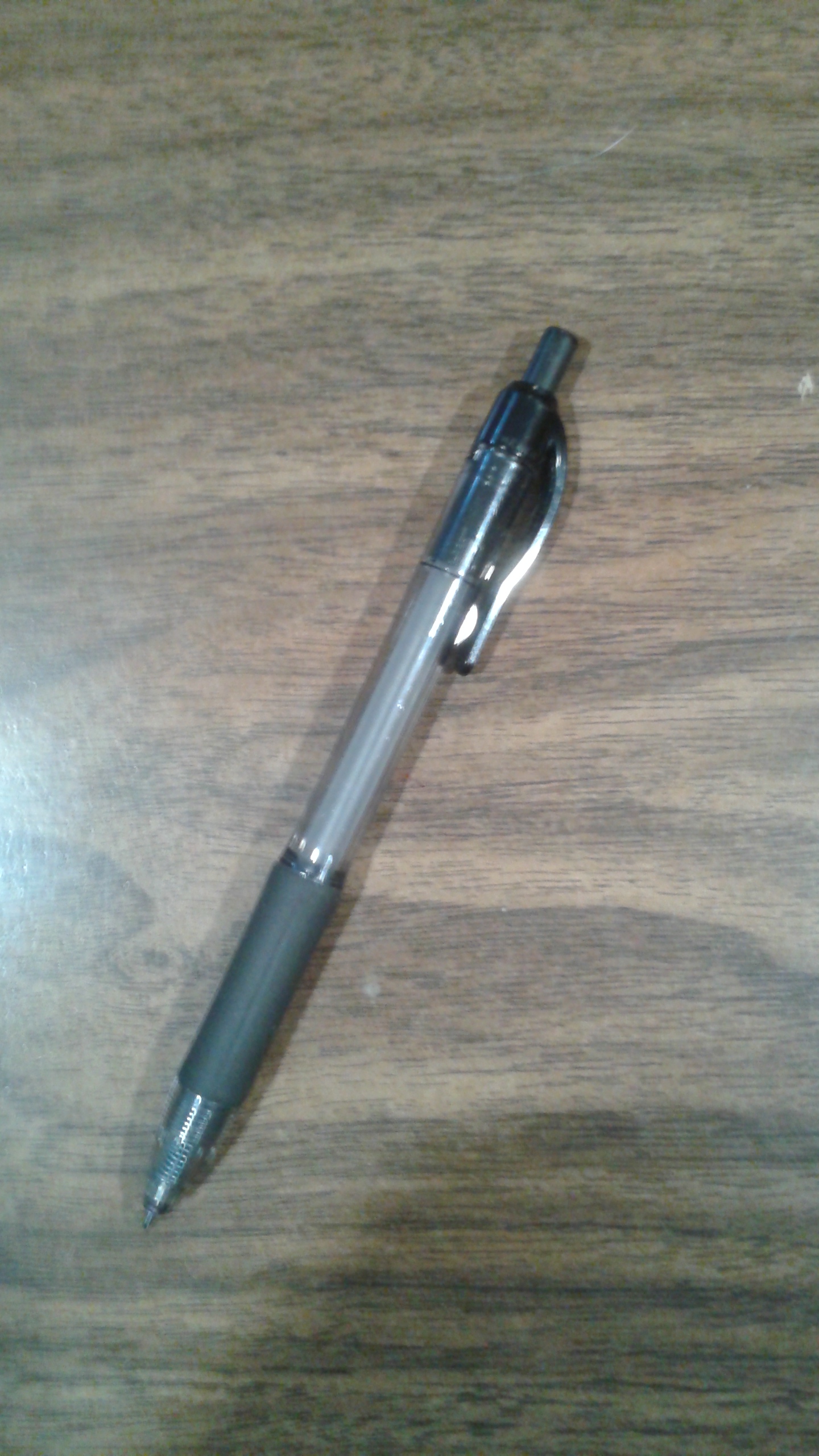
But what has changed is the technique or the medium. When I first started writing, I used a pen or a pencil on paper. When I had an idea, I would start scribbling on any piece of paper that was handy—a church bulletin, an envelope, a napkin, or the blank back side of anything typewritten or printed. I used to keep a supply of “good one side” paper in my office, my briefcase, and my pockets. I chose this medium because I could write (okay, scribble) faster than I could type, and it was not convenient to carry around a typewriter or computer or even wait until one was available. I wanted to preserve the ideas while they were fresh. I found that if I waited, they would often fade. The ideas might remain, but the right wording and phrasing would be lost.
Eventually, once it had been invented, I learned to use a computer. This transition required considerable adjustment. Trying to remember the commands to add bold or italics or hyphens or dashes and so on distracted me from the ideas I was trying to write down. However, as I became more skilled in computer use, I found there were some advantages. I could type faster on a computer than a typewriter. And, on a computer I didn’t have to worry about spelling or other mistakes—I knew I could go back and fix those later. I could focus on getting the ideas down. Due to my life situation, I was often in my office or somewhere close to a computer. Of course, computers are great for editing. With a computer, I could make changes and even move words and sentences and paragraphs.
Nowadays, I use a combination of media. I still carry a pen and paper and scribble down ideas whenever they come. I also write on my computer. I have also developed ways of writing in my head. Ideas often come when I am quiet, such as when I am in bed and trying to sleep. When that happens, I have learned to be able to draft a blog or a biblical meditation or a scene from a novel or a short story in my head. I go over and over the draft in my head, committing it to memory and sometimes making edits and other changes. Then, the next day, I can go to my computer and type up the draft.
I still write by inspiration, although methods evolve. I am grateful for the methods open to me. Much more efficient than chiseling ideas into stone or clay.




























 Christians Read