
As authors, we stitch words together in a way we hope will impact our readers.
In this video you’ll see another type of word stitching that will crack you up. (Yes, even if you’re not a Star Trek fan.. Uh, at least I think you’ll laugh.)
As authors, we stitch words together in a way we hope will impact our readers.
In this video you’ll see another type of word stitching that will crack you up. (Yes, even if you’re not a Star Trek fan.. Uh, at least I think you’ll laugh.)
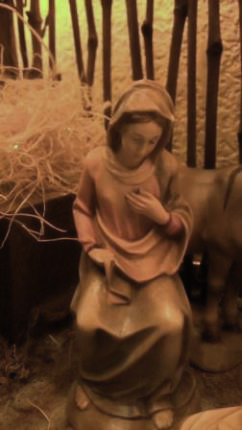
Advent is a beautiful season of hope and expectation, a time to ponder a young woman who bore within her the Christ, the Savior, yet also an infant who kicked, cried, and suckled like any other. There is a spiritual anticipation juxtaposed with human pain and extreme joy.
I often ponder how it must have been for the mother of our Lord. Like every mother, she surely anticipated her baby’s arrival with hope and trepidation. Sure, God had done a marvelous thing, brought into being the child in her womb. But what did that mean?
The song, “Mary, did you know?” explores what Mary experienced as she carried God’s own son, himself God, in her mortal womb.
Did she grasp the reality? Could you or I? Accepting the call of God through the Angel Gabriel, could she anticipate that those tiny perfect hands and feet would have nails driven through them? Did she imagine that the flesh that formed inside her, that perfect infant’s body would one day be scourged and crucified? I tremble at the thought. Surely God spared her mother’s heart the unfolding of his plan. Yet she had to birth her baby in a stable, to flee Herod’s wrath and live among strangers. In order to fulfill the creative work God began in her, she surrendered, and she suffered–as Simeon said she would–the piercing of her own heart.
While nothing I do compares to the incarnation, we all carry a divine spark that we must nurture. We don’t know what God intends for any creative work we surrender to his will, but we can believe–as Mary did–in a purpose larger than our understanding. In this season of hope and anticipation, even if it involves grief, as each season does for someone, we await with joy the revelation of God’s plan in our lives, in this world, and the next, everlasting. I trust He will accomplish what He began, because He is the great I Am.
Every other Sunday I spend a couple hours at a nearby McDonald’s writing while I wait for our teen to finish with his youth group’s small group meeting.
The last time I was there I noticed two ladies who came in. One had a hat full of colorful sequins. To me it sang of Christmas spirit and reminded me of the sermon I heard hours earlier about being the light of Christ. Oh, this lady was sparkly and I admired the hat.
The woman with her had a red scarf that also sparkled. She looked so warm and inviting with it. I’m not one who can naturally approach strangers, but I wanted to shout out that I loved their accessories.
But something stopped me.
Their language.
They weren’t even seated before the f-bombs landed left and right. They were both loud about their thoughts. I didn’t want to eavesdrop, they were so loud I heard them whether I wanted to or not.
-The fries were cold
-They were overcharged at their last stop
-The boyfriend was going to demand hot fries
and with every complaint, the expletives dotted their negativity.
Now if I had sensed a Holy Spirit nudge to say something, I would have. But I felt my place for that situation was to pray for them. And I did.
Their scene reminded me of a mentor sharing the time she attended a wedding and how gorgeous the bride was in her flowing dress and beautiful veil. She stopped at a nearby table, back turned, and my friend and her friends shared how breathtaking the bride was. Then, the bride turned. And now they saw the full picture. A cigarette hung off her lips, and she had a full glass of alcohol in her hands. She wasn’t just going to toast her marriage, she was ready to get bombed.
And it soured the beautiful bride image my friend had.
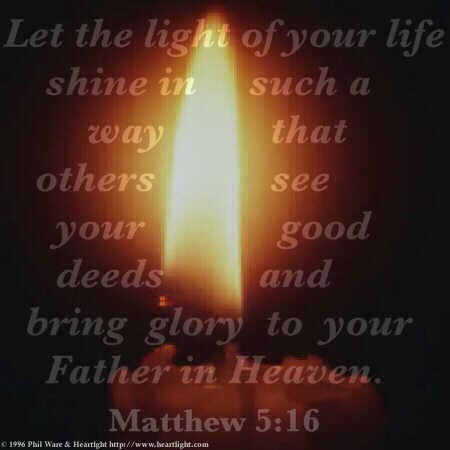
Both of these scenes are a good visual for me to remember because I am a Christian, my job is to sparkle whether I have a sequin hat or not. I’m not supposed to be obnoxious or annoying in my faith, but it’s the little things that really glow in a dark world.
There have even been times I’ve felt prompted to open up the phone book and send a message of God’s love to the name I point to, believing God has a plan for that person. I don’t promote a church or agenda, but let them know they are so special to Him that He asked me to send them a card letting them know they matter.
When believers obey we don’t just show a little light, I’m pretty sure we display wattage akin to an airfield at night.
And that’s what we’ve been called to do.
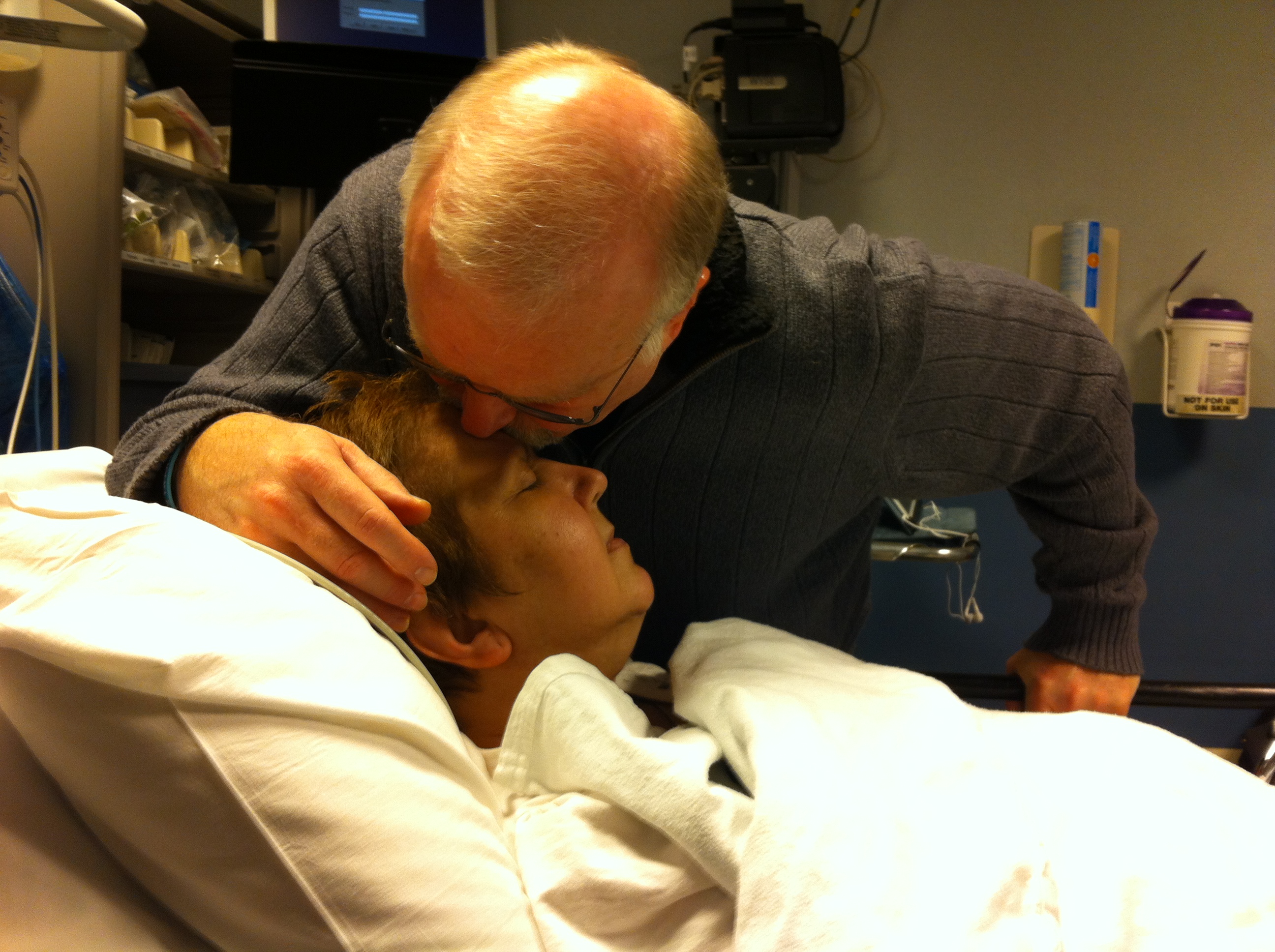
Let me tell you about a friend of mine. Her loving, stalwart and amazingly blessed husband is kissing her in this picture. Her name is Diann Hunt, and if you love to read romantic comedy, you’ve likely read her work. In fact, one of her wonderful novels is being made into a movie. Watch for it late next spring or early summer. For Better or For Worse. Look for her blog at http://www.diannhunt.com You’ll be powerfully touched by her honest, loving, often hilarious words.
Today, Tuesday, December 3, her funeral is being held in her hometown, where I know the place will be packed with those who have been touched by her kindness. I know we’re always saying good things about those who have left loved ones behind. I can truly say that I’ve seen Diann grow spiritually in a powerful way as she has fought the hideous evil of ovarian cancer for years, and believe me, she was a powerful force for Christ before this cancer hit, possibly because before this, she battled leukemia. Oh, yeah, Diann’s been hit hard in the last decade of her life. During that time, she has drawn so close to God that her written words have reached out and touched many hearts with great power, as if spoken by the Holy Spirit.
Now that I’ve introduced you, please get to know Diann for yourself. And please, this morning if you think about it, and in the coming days, would you spare a prayer for the family and friends who loved her? We’ve lost a true daughter of God. We know without a doubt she’s in a happier place, and I can almost hear her laughter from here. Please pray for those left behind. She is past the need for our prayers.

Hope you had a Happy Thanksgiving, and have all your Christmas shopping done! If not, please consider sharing the love of reading and give a good book.
This is release weekend for Wilderness Peril!
ON THIN ICE
Run off the road and left for dead, Shay Ridiker’s only hope for surviving the frozen claws of the wilderness is pilot Rick Savage. The beautiful airplane mechanic came to Alaska expecting a routine repo, but a missing coworker and a crippled plane are just the tip of the iceberg. Now held captive by ruthless killers at a derelict gold mine, Shay needs Rick’s protection more than ever. But Rick has shadows that follow him into the land of the midnight sun. With gunmen at their backs, can he be all Shay needs—a haven…and a hero?
Enjoy!
Elizabeth Goddard
Anyone who went through grade school in this country has probably heard about America’s first Thanksgiving: Pilgrims and Indians sharing a three day feast over the pilgrim’s first bountiful harvest.
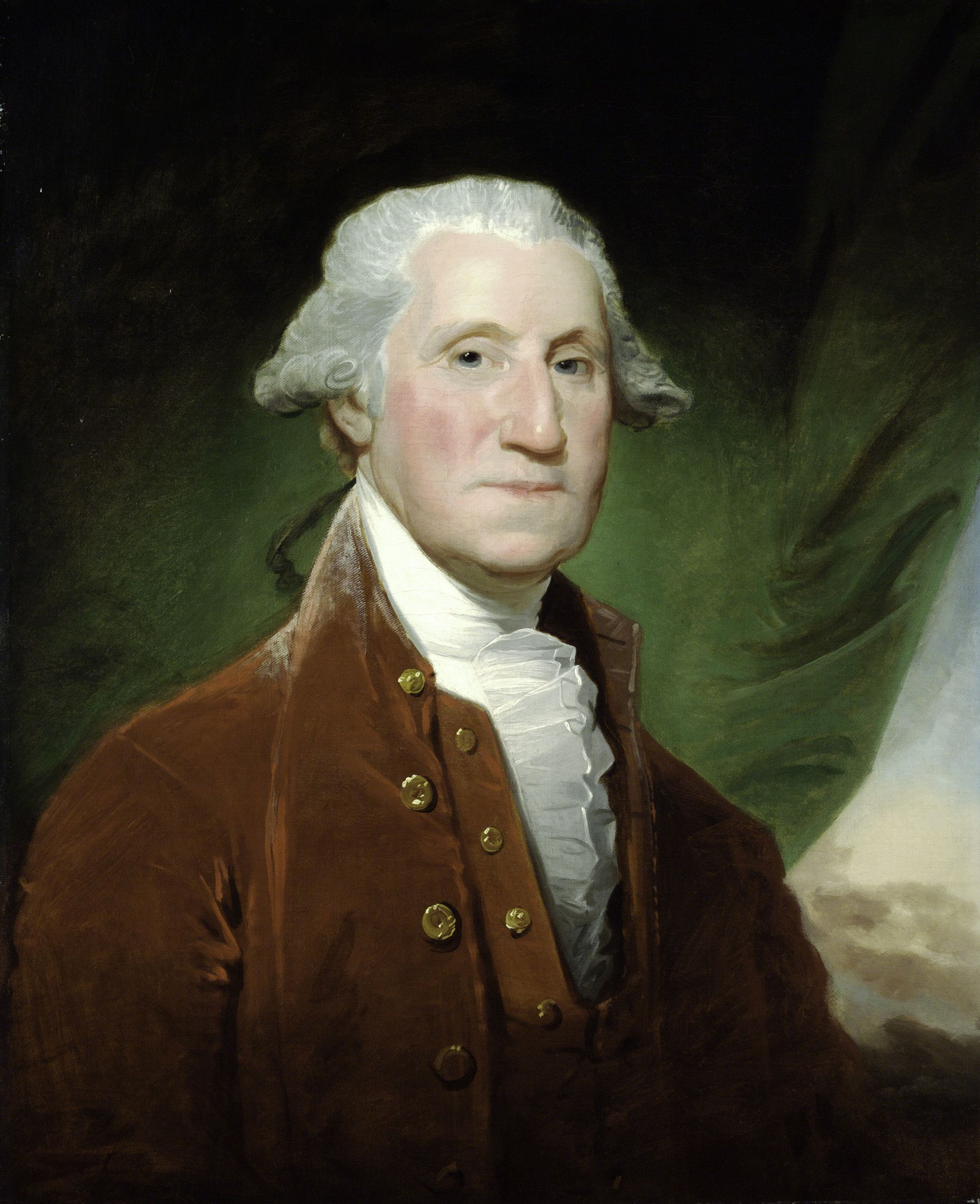 What I didn’t know until hearing it on the radio was that George Washington was the first president to desire a national day of Thanksgiving. We’d just come through a fierce battle for independence, and Washington knew this young country needed our own traditions. Something different from the ones formerly celebrated as subjects of the English crown, something uniquely our own.
So he dictated a Thanksgiving Proclamation, one filled with gratitude to the Almighty God. While it didn’t exactly join the country’s politics with religion, it did recognize the desire to give thanks to God for the many blessings bestowed on this country. To read the entire (but brief!) proclamation, click here.
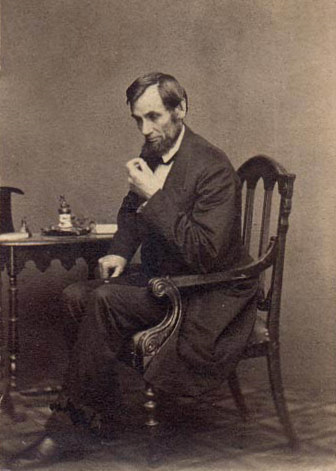 Amazingly enough, that proclamation was lost in the shuffle of paper when the capitol was moved from New York to Washington, D.C. While there may have been many harvest time feasts celebrated throughout the following years, it wasn’t until Abraham Lincoln issued another Thanksgiving Proclamation that this holiday became official. He wanted to remind the nation that even in the midst of war we had much to be grateful for. Read Lincoln’s Thanksgiving Proclamation here.
So as you enjoy your bounty and your family this week, remember to thank God for your many blessings, even after or within the midst of any earthly trials. You’ll be in the company of two great presidents if you do!
I know Thanksgiving isn’t until next week, but I wanted to take a moment to wish you and your family the best.
Thanksgiving is a day to make memories as we spend time with family and friends. Or, as Julie pointed out in her post yesterday, it can be a time to change traditions. I have to say, I’m a stickler for keeping traditions the same.
My family loves to get up and watch the Macy’s Thanksgiving Day parade. While they watch, I’m usually in the kitchen getting the turkey and all the fixings prepared. The morning always flies by and before I know it, we’re seated around the table, enjoying dinner. Then it’s back to the living room to watch football. Or the ladies take a walk. But no matter what activities fill the day, the best party is being with family.
So enjoy your day. Count your blessings. And remember, Christmas is right around the corner!
You can tell it’s NaNoWriMo month, I forgot to post once or twice. I apologize. November is always a busy month around here, and that’s without the fun of writing a 50K novel in 30 days!
I thought I’d share a fun tradition I’ve had with my family for Thanksgiving. Growing up when I knew it was Thanksgiving I knew there would be stuffing. Pumpkin pie. Celery with cream cheese. Fruit salad. Homemade gravy.

Then I got married and had kids, and the last few Thanksgiving days it has been just us at home. The first year I prepared the same foods I grew up with. Then I watched many of the foods go untouched. My kids don’t like pumpkin pie. No one but me likes the celery and cream cheese. I was disappointed at first, but then I figured why not make this a family event where everyone has a say?
We’re a plugged in family. My husband is a programmer and our teen son is gifted in the same area. Our tween somehow got custody of the family iPad and is pretty good at it. With that in mind, I created a survey for them to fill out so I would know how to plan the Thanksgiving meal.
Some of the questions are silly, but most give me a good idea what to put on the grocery list for the big day. I started this three years ago, and this year our daughter asked why I hadn’t sent out the survey yet. Well, I got right on it.
It would have been tempting to grieve the changes I grew up with, but instead I chose to make new memories with my own family. For that, I’m thankful. As you prepare for your day, I thought I’d give you a glimpse of our little survey. You don’t have to answer it, but I thought it would give you a smile as you’re knee deep in gravy and stuffing.
Have a blessed, laughter-filled Thanksgiving.
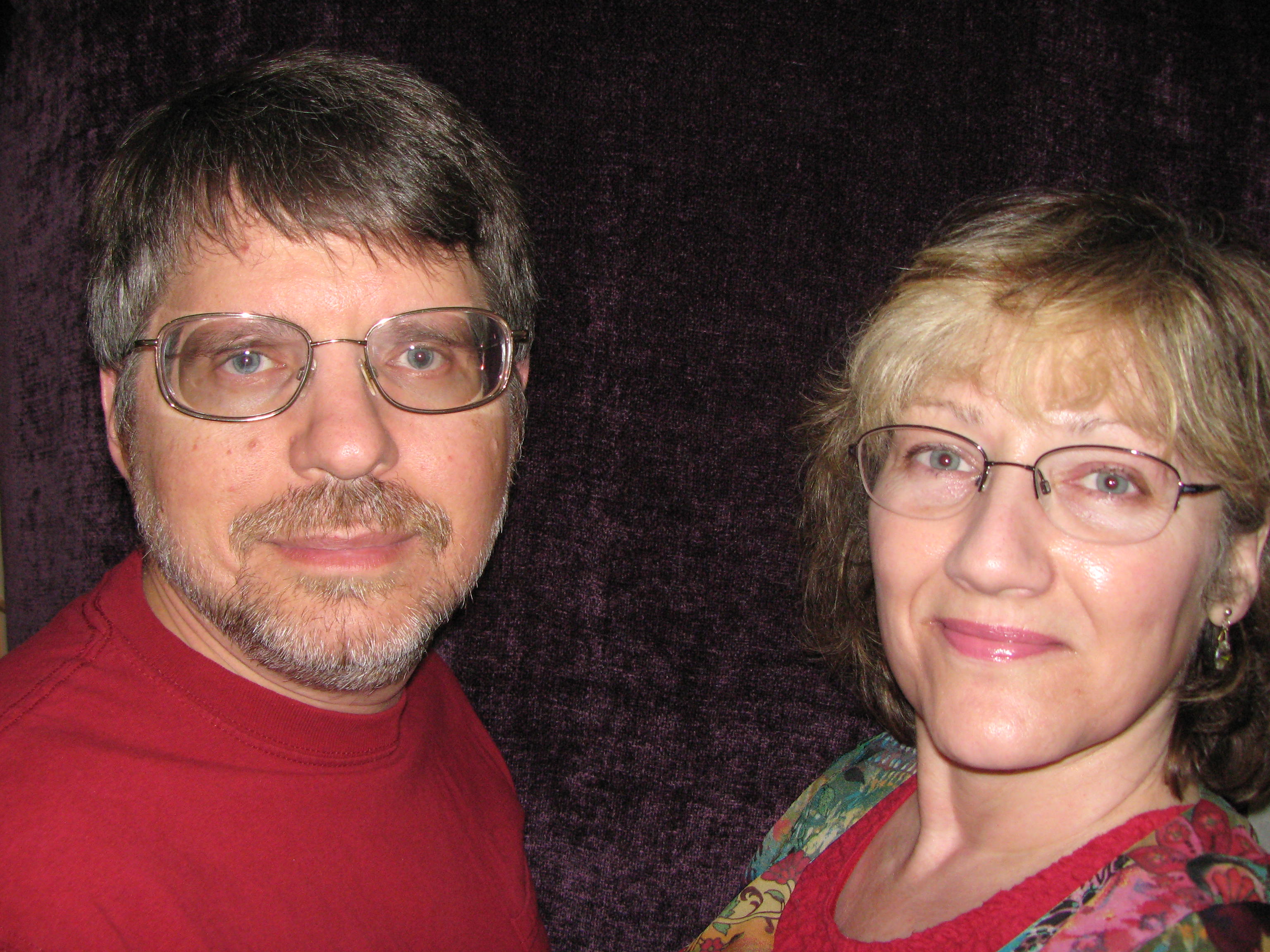
Remember your first date with a guy you really liked? If you were like me, you spent days trying to figure out how to shape your eyebrows properly, how to make your hair hang just right, how to match the right clothes, and even practiced how to hold a decent conversation. I even purchased books about keeping a conversation going, and kept one in my purse the first few times I went out with Mel, because I sensed he was extremely shy, and wanted to be able to draw him out, since I was also extremely shy.
After your first date you probably returned home plagued with doubts about what you might have said or done wrong. Would he ever ask you out again? Did he like you as much as you liked him? Did he see the wart on the back of your neck? Did your breath make him sick to his stomach? Should you call him and tell him what a great time you had?
I know the feeling. Not the sick to the stomach feeling, but the lump in the pit of the stomach that agonizes over whether or not you said the right thing at the right time to entice him to ask you out again. And of course, with Mel, I was head-over-heels after our first real, planned date–not counting the multitude of dates my church staff sprang on us for three months to get us jumpstarted. (I did mention we were shy, right?)
From the time my friends (including my beloved pastor and his wife) began pushing Mel and me together, I started reading books on dating. They didn’t work well for me since I just happened to be in my late thirties, not my teens. I already knew about purity and mutual respect because I’d dated men who didn’t believe in those things. What I didn’t know was how to decide if this man was right for me. After all, I’d chosen unwisely so many times before.
The morning Mel was scheduled to pick me up for our first date (we went to the zoo and saw the dinosaur exhibit, my choice, visited friends of Mel’s in the hospital, his choice, went to see Forrest Gump, our pastor’s choice, and went hiking, my choice. Plus we ate out twice. And I insisted on paying half) I settled in my mind that this time, for the first time in my life, I was going to show my underbelly. (NO, not literally!) I was going to insist on hearing his personal experience with Christ. I was also going to address the age difference. He seemed so much younger than I.
When he finally picked me up (his wart, he’s always late for everything, but that morning it was because he was nervous, forgot if he’d closed the garage door, had to drive twenty minutes back to his house to check, ran out of gas…and on and on) I was immediately impressed because he had a four-wheel-drive Pathfinder, the kind of ride my friends told me I needed since I tend to drive to far out into the wilderness to hike. I’m hard on cars. Pretty much the first thing I told him was, “I hope this doesn’t put a damper on things, but I think I’m a whole lot older than you.”
He looked at me in surprised. “Really? You’re forty-three? Wow, you sure don’t look it.” (We actually used this scene in our book, Sacred Trust, because I based my main male character on Mel.)
“NO! I just turned 38.” And so I discovered Mel’s second wart. He was cursed with the inability to read ages correctly. But at least he was much older than I thought. My age didn’t bother him, and though he was so much like a kid that he occasionally wore me out with his energy, his age didn’t bother me.
Later during our date, I told him that I’d made a vow to God that I would never again have a close relationship with a man unless he was a rabid Christian. When I explained what I meant by that, Mel said, “Isn’t that what every Christian is supposed to be?”
Hurdle cleared, I’ve spent many hours, days, months, years with Mel, and the more willing we are to show one another our underbellies–warts and all–the more our marriage deepens.
I have a friend who found her husband on e-bay. Hmmm…no, wait, I meant eharmony. Not a huge difference, because you’ll find as many liars on eharmony as you will on e-bay, and just as many scam artists. My friend beat the system, though. She not only showed warts and all, but she weeded out the bad seed by asking them to answer questions most men out for something besides a godly relationship wouldn’t take the time to deal with. The man who did take the time was the man who was serious about the same things she was. He’s a precious treasure, and their marriage has been truly blessed, because she took the time to skim the dross, no matter how many she scared away, and go for the gold.
If I were to walk a friend through the dating process right now, I’d tell her to do the same thing. Skim the dross, weed the crop, scare them off if you can. If they’re serious about a relationship blessed by God, she’ll dig deeply enough to find the real man God intends for her.
So…got that? First date, show the warts. Show the real you. Be outspoken about what you need and will and will not do, remain pure so sex doesn’t mess up the growth of a lifelong friendship. I guarantee this will take you a long way toward finding the right kind of man in your life.
“…for they loved human praise more than praise from God.” John 12:43
Whether shopping, traveling, or looking for a good book, it’s impossible to miss the relatively new phenomenon of publicized personal opinion. From the beginning of time, people have had opinions, but only recently has there been an avenue for complete strangers to express and access those opinions. Yes, I’m talking about reviews.
Want to find a restaurant? Run a search and check the reviews. Let’s not eat anywhere less than three stars. 93% of people like this movie. That’s worth the price of admission. This computer is more highly rated than that one. Wonder why? Read the reviews. I doubt there are many of us who don’t find this a valuable tool, even considering the top product reviews are often bought and paid for. If the one star reviews are personal issues or sour grapes, you may assume the rest are pretty accurate.
As consumers, researching the opinions of others can keep us from wasting money and time on poor quality things and experiences. None of us will agree on everything, but it warrants consideration when a number of people create a consensus. A high percentage of rave reviews can direct us to discover something we wouldn’t have noticed otherwise.
As authors, we can’t ignore the reality of reader reviews, and my question is, should we? The answers to that are as varied and individual as we are. For some authors, reading their own reviews is anathema. It seems like seeking human praise when the ratings are good or self-flagellation when they’re bad. It is a valid position to avoid reviews as a source of pride or pain, especially if it impacts our ability to do this thing we’re called to. I respect and understand that.
I have a different viewpoint, however. For me, reviews are a way to see God’s hand. I write because I need to. I publish because I’m called to. I give God the best I have, and when people post reviews it’s like a harmony to the melody I sing. Someone out there has added their voice to this work of God through me, and I’m so privileged to have them. I’ve been brought to tears by the recognition of God’s gift and been lifted from discouragement more times than I can say. I’ve been reminded of his purpose and power by the words of readers I’ll never know. This is precious and life-giving to me and to my work.
Are there sour notes in this song? Yes! I love that God gave me a sense of humor and a thick hide. There is nothing a reader can say about my writing that I haven’t thought myself plenty of times while ripping out and writing over. And then there are those who find God distracting or offensive, and what a great opportunity to pray. Lord, find them, touch them, heal them. Open their eyes. If I hadn’t read the review, I wouldn’t know their need.
But for all you readers who take the time to post reviews that encourage others to read and support the work I do to build the kingdom of God, know from the bottom of my heart, I thank you. I read the words you take the time to write, and I’m blessed. I pray for others who will read your words and join the chorus, not for human praise, but in joyful recognition of the Source.
November 1st is considered National Author’s Day, and I missed the party, if there was one, because I was working on a deadline. November is also National Novel Writing Month. I haven’t participated in NaNoWriMo—the challenge to write a novel in a month—because I’ve been doing just that for far too long, as it is. But I look forward to hearing what amazing and creative literary works come out of this challenge.
If you’re a reader, and not a writer, I hope you understand that writing is a lonely and painful occupation. Sometimes the words flow easily and spill onto the page with little effort. Other times writing taxes the brain and no amount of pushing, prodding, or mental ripping will produce words, much less good ones. It takes mental acuity, organization, creativity and innumerable well-honed gifts to craft a novel that is then made available for all to see.
For everyone to enjoy.
For anyone to crush, which is another painful side to an author’s life.
So this month is the perfect month to celebrate writing and literature by encouraging and supporting your favorite authors.
Here are four simple things you can do:
1) Buy their books. This is first and most important. Publishers don’t buy from authors if their books don’t sell. I think there might be too many free books floating around out there. Blog giveaways or digital downloads given in return for reviews. With the onset of the digital age and ebooks, piracy is also an issue. Everyone wants a free book without thinking about how much time and effort was put into the process. But at the end of the day, books must be sold if an author is to continue writing.
2) Write Reviews. I can’t express how key this is after you have bought and read a book. This has become even more important with the onset of the digital age. Reviews on sites like Amazon and Goodreads help a book’s ranking, and can help an author’s sales grow exponentially. Such a small thing, really, and it takes only a few minutes. Or if you’re a blogger, post your review on your blog too. Consider how easy it is to write and publish a review these days—an opportunity that wasn’t available years ago. Think of writing a review as a freedom and a gift and a right (am I going too far?)—a way for your voice to find an audience.
3) Tell Someone. If you enjoyed the book, what better way to help your favorite author than to tell your friends and family about the book and the author? I always love to hear about a book that someone has enjoyed, or about a new author. I almost always investigate for myself. Become an influencer.
4) Tell the Author. I can’t tell you how happy it makes me to hear from a reader that they enjoyed my book. It always makes me smile, and I make a new friend. Let your favorite authors knows when you finish one of their books how much you enjoyed it. Making someone happy will make you happy too.
All of the above can be considered acts of kindness, though maybe not random. Think about it. When you do these things for someone else, good things are bound to come back around to you.
Many Blessings!
Elizabeth
Give thanks to the Lord, for he is good; his love endures forever. 1 Chronicles 16:34
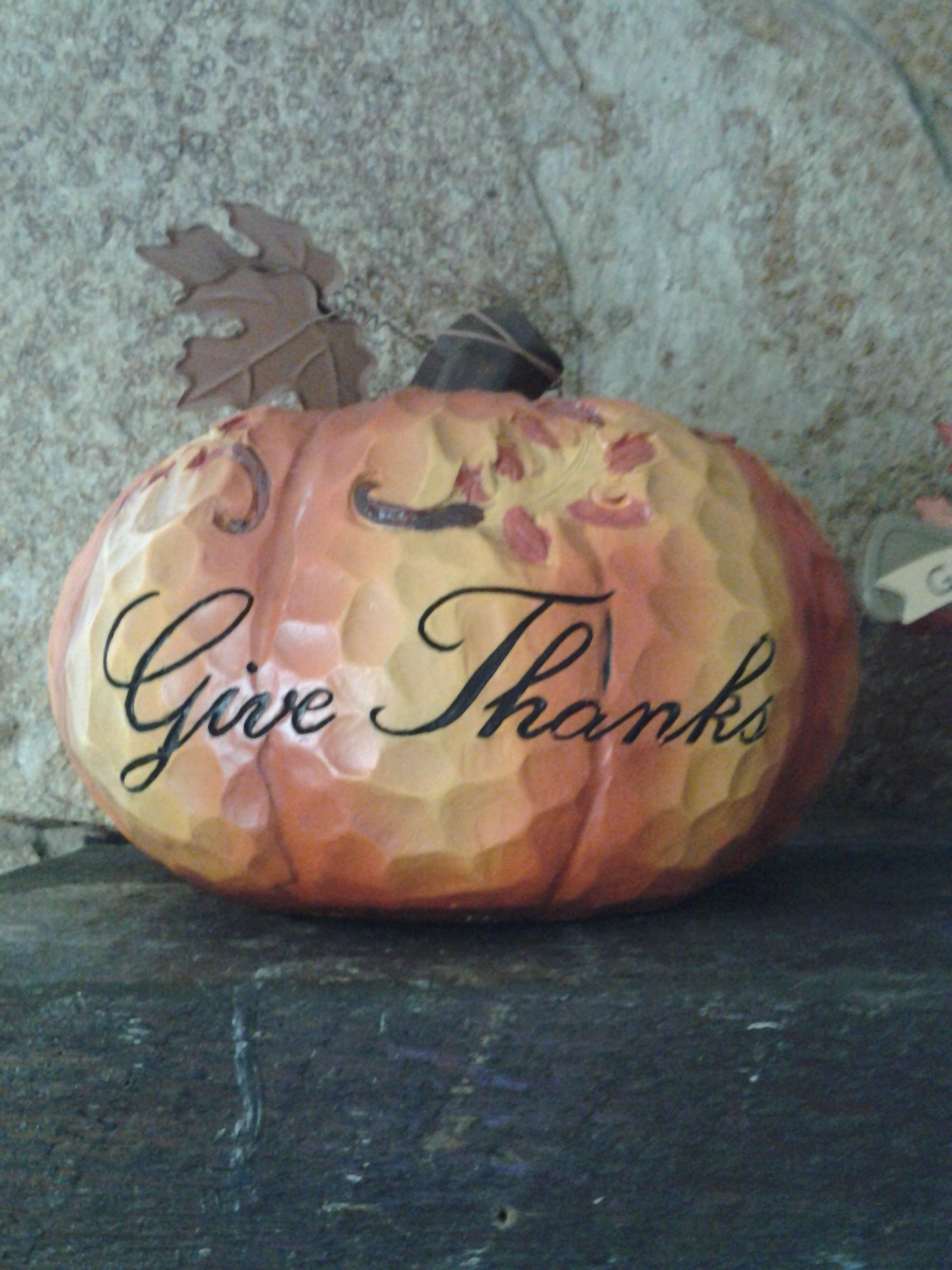
Every year, in the month of November, I begin to ponder the things I am grateful for. Family and friends. Health. Success in my writing endeavors. If I sat down to write out a list, I’d probably be surprised how long it is. And I’d be thankful for a long list.
With twenty-four hour news stations and constant content on our electronic devices bringing us all kind of news reports, it is easy to be affected by so much negativity in our world. True, there are uplifting stories sprinkled in, but they are too few and far between for me. Because news outlets have to come up with stories to fill time, we get TMI. If you are a news junkie, you’d probably disagree. I like my news in moderation, so I’m not overwhelmed by things I have no control over. I guess that’s why I prefer to sit down with a good book. Or better yet, write my own books. At least in my creative world I have some control on the outcome of my story.
Getting back to being thankful. I searched for scriptures I hope will inspire you to think of all the good things the Lord has done for you or brought into your life.
Enter his gates with thanksgiving and his courts with praise; give thanks to him and praise his name. Psalm 100:4
Always giving thanks to God the Father for everything, in the name of our Lord Jesus Christ. Ephesians 5:20
Do not be anxious about anything, but in every situation, by prayer and petition, with thanksgiving, present your requests to God. Philippians 4:6
I read on a friend’s Facebook post that she was going to take each day to thank God for one specific thing. I encourage you to do so as well, but go one step further and write it down. Hopefully you will have a nice, long list and as the month comes to a close, be reminded of what you are most thankful for.

Once upon a time many, many, many years ago, I recall walking out of a movie theater sobbing with several other young girls after watching Love Story. Yes, I’m dating myself, but now that I’m older and occasionally wiser than that young, very young girl, I realize that those famous words spoken by that dying heroine on screen were so totally wrong.
If you’ve never seen the movie, I’m talking about the scene in which a young married couple have a fight. It’s a horrible fight, especially since the heroine is dying. When heartthrob Ryan O’Neal returns after their fight to tell Ali McGraw he’s sorry, she stops him with a lie: “Love means never having to say you’re sorry.”
Okay, it was mushy and gushy and cutesy then, but it was such a lie. I’ve known men who refused to apologize about wrongs they’ve committed. I know one man, in particular, who was known for never apologizing. And then one day, he called his first wife, whom he’d treated very poorly, and told her he’d finally, after all these years, accepted Christ as his savior. He proceeded to tell her he was sorry for every single thing he’d ever done to hurt her. She helped him out by listing many of those things, and one by one, he apologized for everything. After forty years, he finally learned what love meant–it meant humbling oneself and apologizing for wrongs done. For his sake, he could have done so much sooner, because he died two years later. It’s sad to consider all the years of joy he could have had, instead of anger and fighting and loss of love.
Romance, love, true love, means opening one’s heart to another person, to saying “sorry” when that word is needed, and to trying harder next time. Most folks say marriage is a lot of work. I’ve found that’s not true at all. When both parties in a marriage are willing to apologize and forgive and give to one another, those actions become easier and easier until marriage isn’t a hardship at all. It’s joy and companionship and fun. Mel and I have tried it–actually, we started out that way, thanks to Mel and his tender, giving heart. I’ve never been so blessed in my life until marriage to Mel.
Think about it–what if you and all your loved ones could forgive old hurts and apologize and give love with an open hand? What if you started the process, and others followed your lead? That’s what Mel did for me, and it worked. I’m not saying it will always happen, because I’ve been in “friendships” where I gave and gave and never received anything in return. I ended those relationships. With Mel, the more I give, the more he gives back. I say give it a try. Real romance is made of giving love in both directions.
A friend sent this to me:
Two brooms were hanging in the closet and after a while they got to know each other so well, they decided to get married.
One broom was, of course, the bride broom, the other the groom broom.
The bride broom looked very beautiful in her white dress. The groom broom was handsome and suave in his tuxedo. The wedding was lovely.
After the wedding, at the wedding dinner, the bride-broom leaned over and said to the groom-broom,’I think I am going to have a little whisk broom!’
‘IMPOSSIBLE !’ said the groom broom.
Are you ready for this?
Brace yourself; this is going to hurt!
‘WE HAVEN’T EVEN SWEPT TOGETHER!’
=====================================
The animation to that little spot of humor was adorable
But I wasn’t able to get it on here (technologically impaired!)
Then my friend sent an email and said she hoped I wasn’t offended by the joke and at first I couldn’t imagine why she said that. Then it dawned on me on how easily, quickly many people become offended by what another considers harmless or innocent.
My thoughts went to Halloween and the differing views. Churches have Fall Festivals instead of Halloween. Some people fear the occult and dangerous aspects of Halloween past and present. Others see it simply as a time for children to have fun and get candy. Children line the streets in costumes that are fearful like a werewolf, adorable like a little lamb, heroic like an action figure, sweet like a princess, and gory like a sword stuck through the skull. Many perspectives and attitudes.
That turned my thinking to writing. With the many changes and uncertainty about publishing, a writer may very well be fearful of print books going by the wayside. Others see the challenge and fun of ebooks, maybe self-publishing, and their work being available at the click of a button (a little more difficult for me!)
Writing is always work, regardless. But are the prospects for publication fearful or fun for you?
The Bible, Jesus himself, tells us over and over, “Fear not” about many things.
That isn’t always easy, whether it applies to writing or other parts of our lives. But I try to keep in mind one of my favorite passages in the Bible that instructs me on what the perspective of my personal and writing life should be like. Upon where I should take my fears and upon whom I am dependent for all things and what my attitude should be.
“Blessed are those who trust in the Lord and have made the Lord their hope and confidence. They are like trees planted along a riverbank, with roots that reach deep into the water. Such trees are not bothered by the heat or worried by long months of drought. Their leaves stay green, and they go right on producing delicious fruit.” Jeremiah 17:7-8
I was thinking on what to write for my post and then, when I saw Tara’s post below, it seemed like a confirmation. I had considered the same exact verse to go along with my post. I love it when that happens!
Here is the scripture I’m referring to: The effectual fervent prayer of a righteous man availeth much. James 5:16
Last week, while visiting at my mom’s, my daughter’s fiance left his car keys. Since my daughter was driving, he didn’t notice until she’d taken him home nearly an hour away. We finished up dinner, then began the frantic search while she drove him back. When the search revealed nothing, we started cleaning and vacuuming—you know how it is. You find stuff you thought long gone when you do serious cleaning.
Or maybe that’s just me.
We had already prayed that the keys would show up. I always pray when I misplace something. Don’t you? But an hour later, we still hadn’t found his keys and he was due at work. When they finally arrived back at Mom’s, the search started all over again in the same places we had already looked. Behind and underneath furniture and the cushions. Shelves, counters, and even in the refrigerator. Ha! I’m guilty of putting things in the strangest of places.
But after another half hour—nothing.
We went outside and searched the grass and even look through some of the garbage to make sure the keys hadn’t been thrown out with something else. Yuck.
Finally, I tugged one of my sons aside and asked him to pray with me. You know, really pray. A serious, heartfelt prayer—and I reminded him about the fervent prayer of a righteous man. Within five minutes my youngest son yelled that he’d spotted something.
He’d donned his spelunker cap and looked under the furniture with his light–furniture we’d already lifted up and searched. But we did it again.
And this time, with the light shining, we realized there was something INSIDE the sofa behind the batting. (or whatever you call the underpinning of a sofa) We cut a slit in the material and voila—there INSIDE the sofa was the wallet along with my son’s long lost copy of THE TWO TOWERS. (he was ecstatic!)
I think I screamed. To my way of thinking, that was a small miracle. The wallet was inside the sofa. Obviously it had somehow worked its way down, not magically appeared, but this is a fairly new leather sofa and. . . honestly? We would NEVER have looked inside like that. Who would?
Maybe I should cut open all my furniture to see what’s inside. In fact, I’m in possession of my grandmother’s antique sofa that is at least sixty-five years old. I wonder what secret items found their way beneath the cushions and deep down inside, away from curious eyes?
The point, of course, is that fervent prayer really does work, and I’m certain that without that prayer, we would never have found the wallet.
Thank you, God.
Blessings!
Elizabeth Goddard


VICKI HINZE

TARA RANDEL

NANCY J FERRIER

MARY ALFORD

PATRICIA BRADLEY

PEGGY WEBB

ANN MALLEY

JULIE ARDUINI

JAMES R.COGGINS

KATHY CARMICHAEL

NORA ST LAURENT

DELORES TOPLIFF




 Find the Authors' books easily at the Christians Read Book Store.

VICKI HINZE
TARA RANDEL

HANNAH ALEXANDER

HANNAH ALEXANDER

MARY ALFORD

JULIE ARDUINI

MAUREEN LANG

MARGARET DALEY

LOUISE M GOUGE

YVONNE LEHMAN

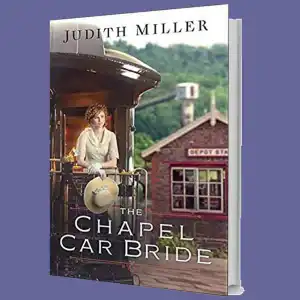
JUDITH MILLER

ELIZABETH GODDARD


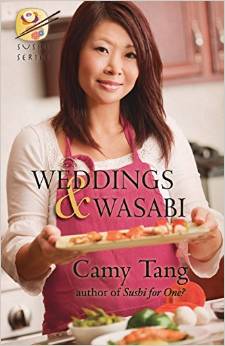
CAMY TANG






JAMES L. RUBART

KRISTEN HEITZMANN

SARAH GOEBEL
KATHI MACIAS

YVONNE ORTEGA

LYNETTE SOWELL

SUSAN MAY WARREN

JEN PHOEBUS


