
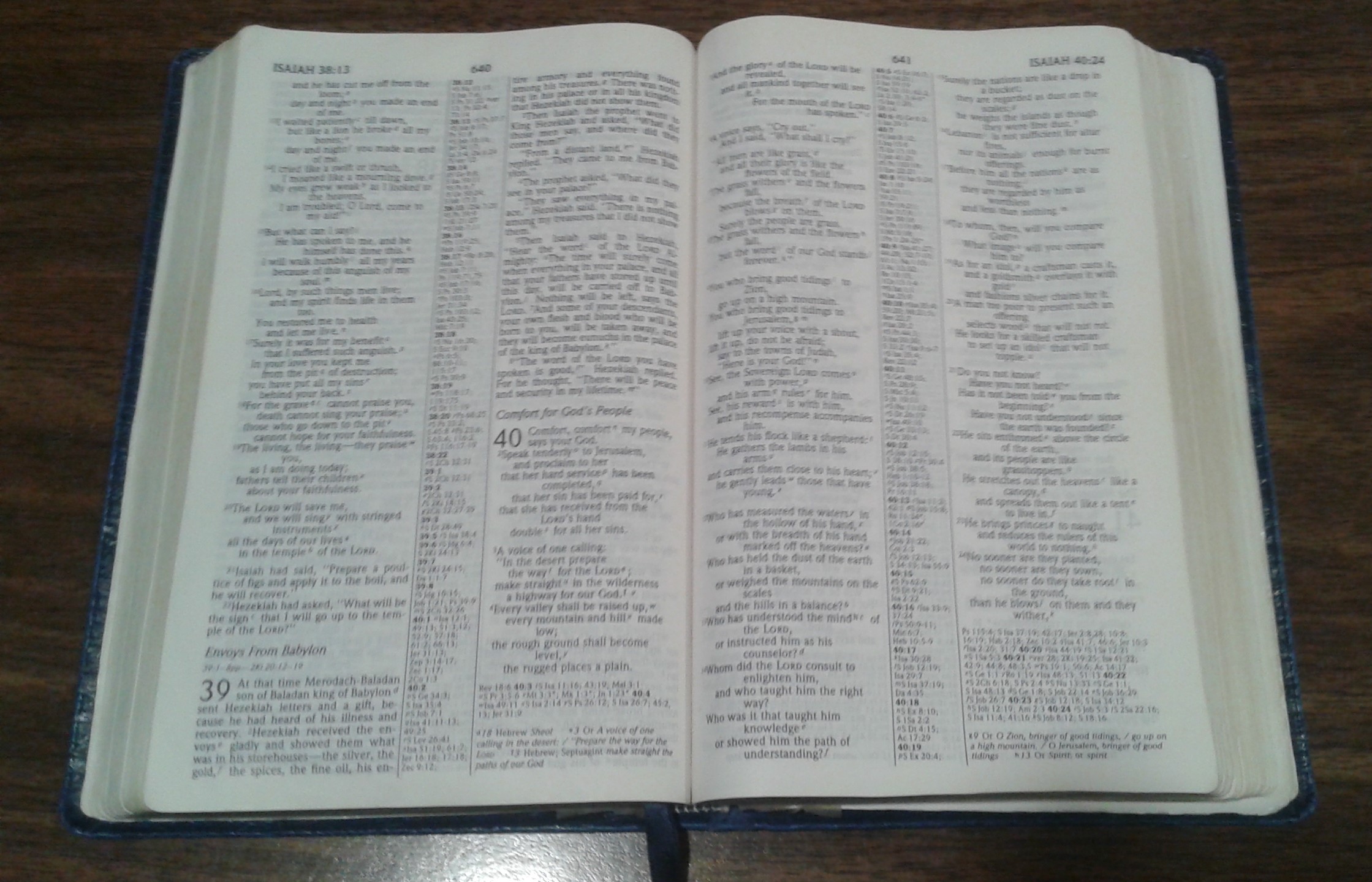
The biblical writer James wrote: “Now listen, you who say, ‘Today or tomorrow we will go to this or that city, spend a year there, carry on business and make money.’…Instead, you ought to say, ‘If it is the Lord’s will, we will live and do this or that’” (James 4:13-15).
All of us make plans, and planning is generally a good thing. So, what was James’s point? James called this type of planning “arrogant” and “boastful.” Why? Because we “do not even know what will happen tomorrow” and our life is “a mist” that could vanish in an instant (James 4:14).
This small section seems to be a stand-alone comment, unrelated to what has gone before. But it is thematically related to the previous section (James 3:13-4:12). There, James talked about two ways of living, one rooted in arrogance and the other rooted in humility. The arrogant way is characterized by “bitter envy and selfish ambition,” which leads to fighting and quarreling to get what we want and to slandering other people. The humble way is characterized by good deeds, peacemaking, love, consideration of others, mercy, and righteousness. Instead of fighting and quarreling to get what we want, James encouraged us to “ask God”—provided we ask with right motives. James summed up his advice with: “Submit yourselves, then, to God. Resist the devil, and he will flee from you. Come near to God and he will come near to you” (James 4:7-8)
This new section on “boasting about tomorrow” continues the emphasis on humility. When we say we are going to do this or that, we are really saying that we are in control, that we can do what we want. (Note that the people James was talking about were not going to another city to do “good deeds” but to “make money.”) Not only should we humbly and voluntarily submit to God, but we are actually powerless to resist God’s decisions. Saying, “If it is God’s will” is not just an acceptance of our lack of control, an acceptance of our fate, but it echoes James’s earlier advice to actively seek God’s will. If we are doing what God is telling us to do, then He will enable us to do it. If we want to know what our attitude really is, this passage offers us a good guide. When we find ourselves saying, “I am going to…” it tells us that we are in danger of being arrogant and sinful and not submitting to God.





























 Christians Read
This is an entirely right emphasis, on the Godward aspect of humility.
LikeLike