
Three years ago, we moved. It was time. We had been in our previous house for almost thirty years, and we needed a new challenge. It was a time to re-evaluate—our habits, our activities, and our possessions.
We gave away some of the possessions we no longer needed. Some things that were worn out and no longer useful were thrown out or recycled.
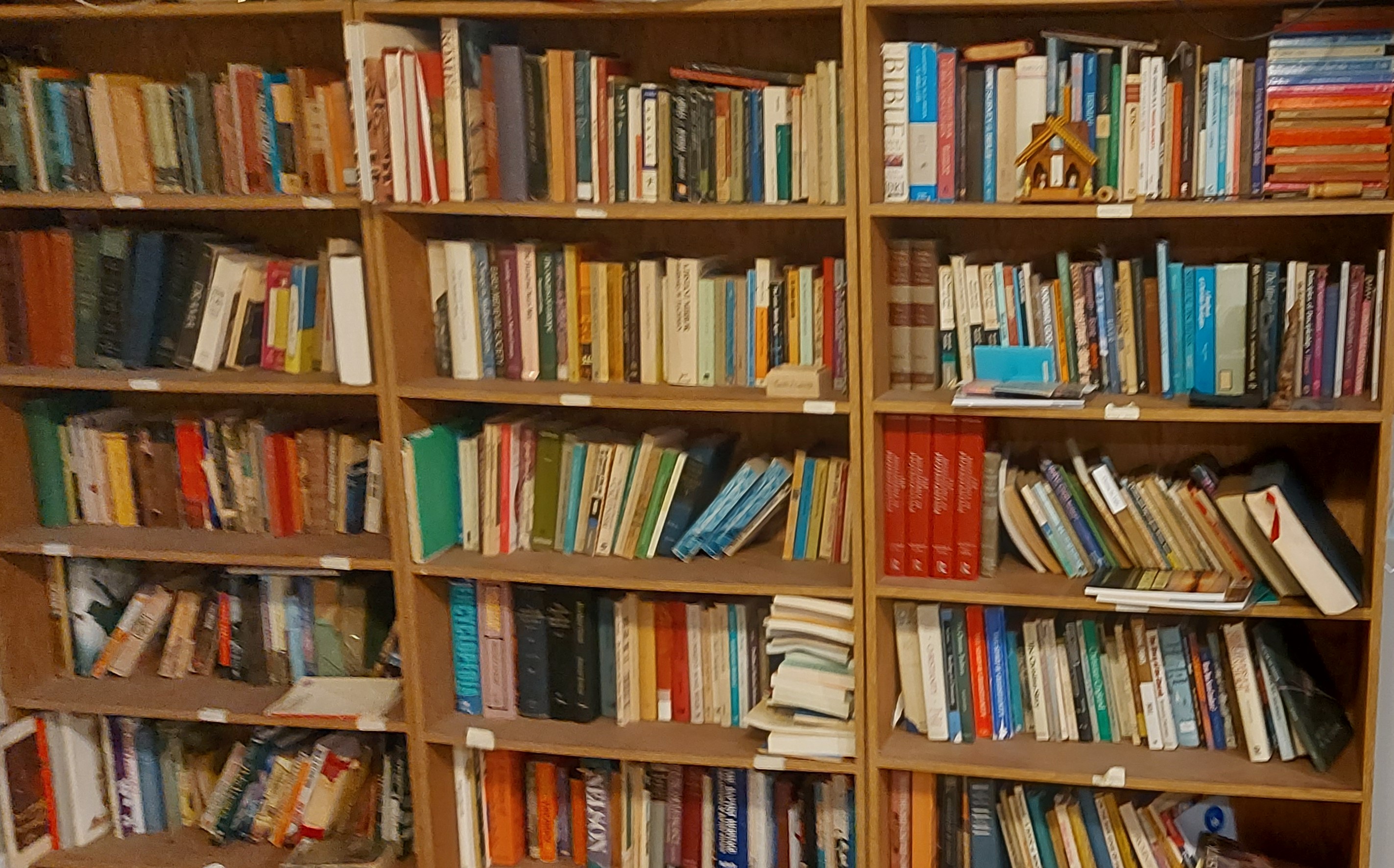
This also applied to my library, the library that I had been eagerly accumulating for several decades. There were history books, reference books, literary classics, theological books, political science books, devotional books, murder mysteries, novels, books of poetry, and biographies. Altogether, they represented a wealth of knowledge. But many of them had to go. I knew I would never open many of them ever again. I donated some to a local Christian university, some to a church library, a few to friends and family members, some to thrift stores.
It hurt.
About the same time, my sister was trying to disperse the library my parents and grandparents had left behind. There were more works of fiction, old school readers, theology and devotional books, history books, biographies, and much more. Some were a couple of centuries old. My sister donated some to archives and museums and libraries. She asked if I and some other relatives would like some. They were valuable books, but I had room for only a few.
Our move was three years ago. Since then, I have accumulated more books, some of which I have published and a couple of which I have written.
As I grow older, the question arises as to what will happen to my carefully accumulated library. My children do not have room for them in their houses. They have their own books and their own needs. I will direct and hope that most of my books are donated to archives, universities, libraries, and thrift stores. I hope they will be preserved, valued, and read. But, no matter what directions I leave behind, I will have no control over that.
At such times, I wish I was an English lord, living in an old manor house, a manor house passed down in the family generation after generation, with the manor library carefully preserved and each generation adding to the library. It would be an ever expanding and continually preserved library, a reservoir of knowledge, a family treasure.
But I am not an English lord. I am of English descent, but descended from a long line of peasants and artisans (with perhaps a bastard noble child inserted here and there).
My dilemma is not new. The writer of Ecclesiastes outlined the issue almost three millennia ago, declaring that everything in human life is “meaningless” or “vanity”—that is, temporary, bound by time and thus impermanent:
• “No one remembers the former generations, and even those yet to come will not be remembered by those who follow them” (Ecclesiastes 1:11 NIV).
• “I hated all the things I had toiled for under the sun, because I must leave them to the one who comes after me. And who knows whether that person will be wise or foolish? Yet they will have control over all the fruit of my toil into which I have poured my effort and skill under the sun.” (Ecclesiastes 2:18-19).
• “The words of the wise are like goads, their collected sayings like firmly embedded nails—given by one shepherd…Of making many books there is no end…” (Ecclesiastes 12:11-12).
Like everything else in human life, books are temporary and impermanent. Human knowledge builds and accumulates over time, but then inevitably leaks away.
God’s books, however, are different. God’s library of knowledge and history and creativity remains intact and complete, forever, into eternity (Revelation 20:12). “The grass withers and the flowers fall, but the word of our God endures forever” (Isaiah 40:8). “No word from God will ever fail” (Luke 1:37).






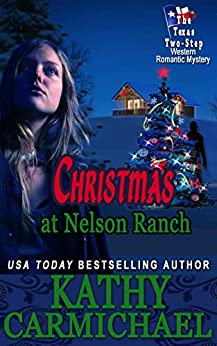






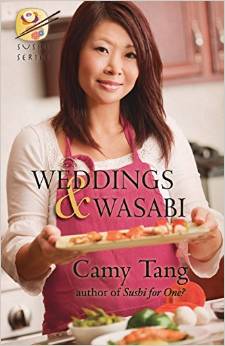


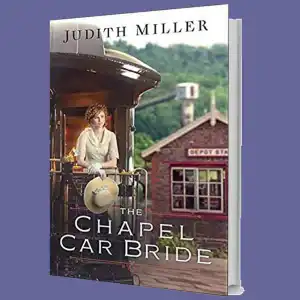






This Christian book is a beacon of inspiration and faith!
LikeLike