
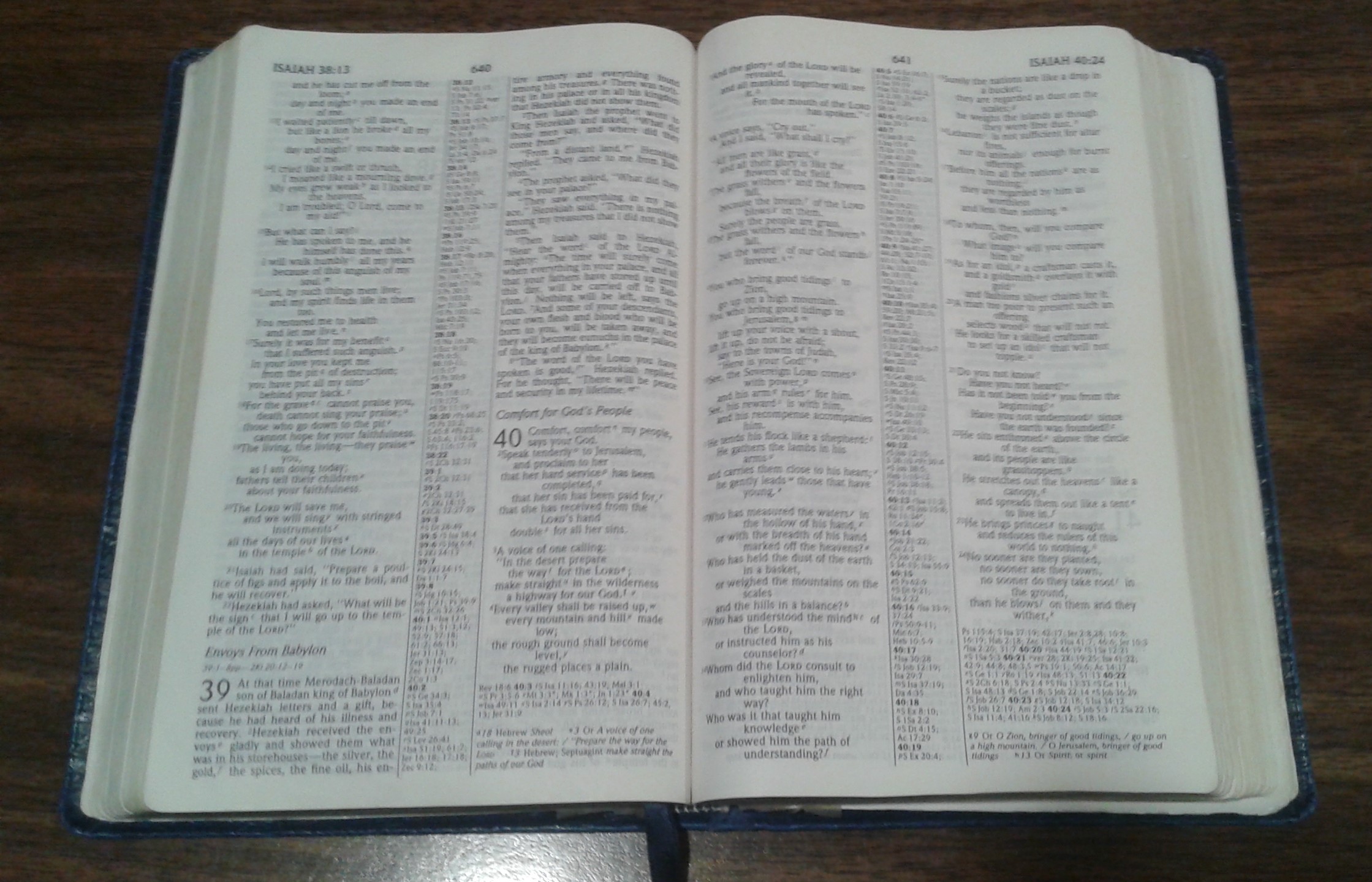
Isaiah 60 contains a detailed prophecy about the rebuilding of Jerusalem after the Babylonian captivity. It envisions a prosperous city with wealth flowing into it from many nations: “The wealth on the seas will be brought to you, to you the riches of the nations will come” (Isaiah 60:5 NIV). It is a prophecy about the rebuilding of the actual city but also a metaphorical prophecy about the establishment and extension of the Kingdom of God on earth. It is a prophecy about the capital city of the Jews but also about the restored people of God, the worldwide Christian church composed of saved sinners.
Nehemiah 3 describes the actual rebuilding of the walls around the re-established city of Jerusalem. Included is this description: “The Dung Gate was repaired by Malkijah son of Rekab, ruler of the district of Beth Hakkerem. He rebuilt it and put its doors with their bolts and bars in place” Nehemiah 3:14). A Dung Gate is not something we would normally want to think about, but it was a necessary gate. All cities have a need to dispose of garbage and sewage and animal droppings (dung), and this was the gate in Jerusalem through which this was done. The Dung Gate was likely on the south side of Jerusalem leading to the refuse dump in the Valley of Hinnom, also called Gehenna, where fires burned continuously, and which Jesus used as a metaphor for hell (Mark 9:42-48).
We think of the wealth flowing into Jerusalem and into our lives. We all want to get more, to add more good things to our lives. But the Dung Gate reminds us there are things we need to get rid of, things that take up space in our lives, things that poison and corrupt and contaminate, things that cause disease and death, things that bring brokenness and separation, things that need to go in order to make room for the good to flow in. The New Testament lists some of them:
• “Get rid of all bitterness, rage and anger, brawling and slander, along with every form of malice” (Ephesians 4:31).
• “But among you there must not be even a hint of sexual immorality, or of any kind of impurity, or of greed, because these are improper for God’s holy people. Nor should there be obscenity, foolish talk or coarse joking, which are out of place” (Ephesians 5:3-4).
• “But now you must also rid yourselves of all such things as these: anger, rage, malice, slander, and filthy language from your lips” (Colossians 3:8).
• “Therefore, get rid of all moral filth and the evil that is so prevalent and humbly accept the word planted in you, which can save you” (James 1:21).
• “Therefore, rid yourselves of all malice and all deceit, hypocrisy, envy, and slander of every kind” (1 Peter 2:1).





























 Christians Read