
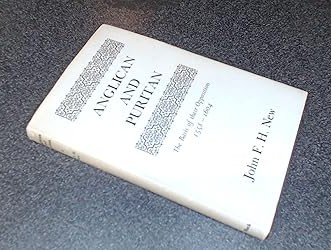
Years ago, I was accepted into the PhD program in History at the University of Waterloo. When I arrived (after a long drive from the other end of the country), the departmental secretary directed me to go to the house of Dr. John F.H. New, who was the graduate student advisor. It was late summer, and the fall classes had not yet started.
I arrived at his modest house and was invited in. After we had talked for a few minutes and he had learned more about my background and interests, he stated that he thought he should be my primary advisor, rather than one of the other professors in the department who had been recommended to me. I had never met Dr. New before and didn’t know much about him, but I accepted his advice.
It was a wise decision. Dr. New was a brilliant man who had earned his doctorate in two years at the University of Toronto, Canada’s most prestigious university. It took me six-and-a-half years. I did not know it then, but Dr. New was well suited to my learning style. Rather than give close supervision, he encouraged questioning and creative thinking in his graduate students. He did not tell me what avenues of research to pursue, but he could open up new vistas for enquiry and contemplation with a single insightful question. He was an encouraging and stimulating scholar to work with. He must have done a good job because I was eventually granted my degree.
Dr. New’s specialization was Tudor/Stuart History (the 16th and 17th centuries in England). This was an era when religious controversies were front and center in English life. The period is also known as the English Reformation.
One remarkable aspect of my education is that, although he was an expert in Puritan and Anglican theology, Dr. New was an agnostic. But, unlike many current professors, he was a true academic. He was open to discussing all ideas and viewpoints. He allowed me to maintain my own Christian perspective in studying historical events.
Although he was agnostic, Dr. New had a genuine appreciation for Christianity. “Christianity,” he said, “asks the most important questions.” He also offered this insight: “Protestants are manic-depressives. They are deeply depressed about their own sinfulness, but they are ecstatic that they have been saved by grace.” In my view, that is a pretty good synopsis of the gospel.
Looking back, I am very grateful to have known Dr. New. I am grateful for his tutoring, his questioning, his inspiration, his tolerance, and his encouragement.





























 Christians Read