
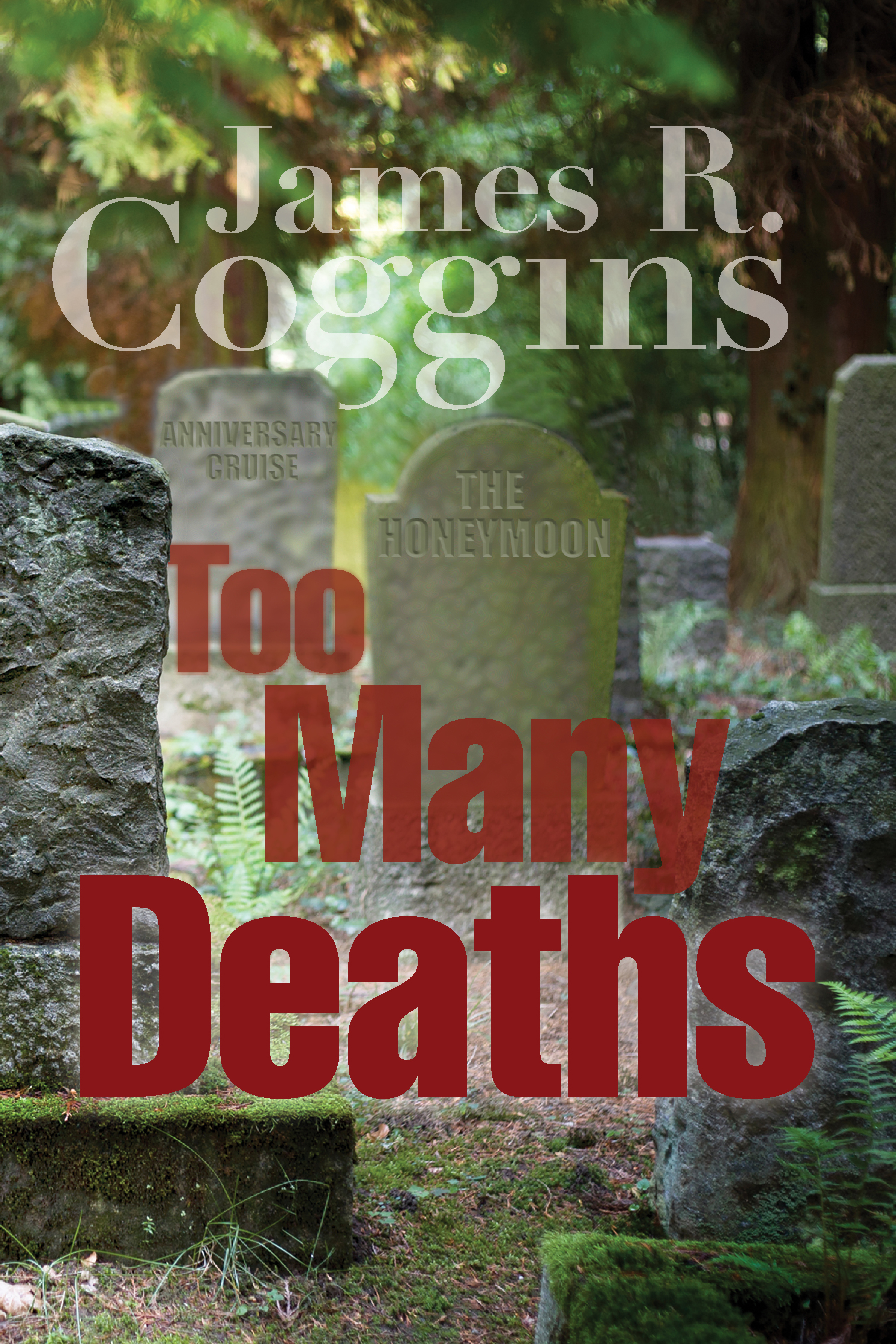
I write murder mysteries (and lots of other things). But, in a sense, my stories do not remain mysteries. A good murder mystery presents a murder, offers a variety of suspects (red herrings), and in the end reveals whodunit. Readers do not read mysteries so they can remain puzzled. They read mysteries so they can find out what actually happened—and sometimes to see if they can figure out the solution before the writer reveals it. People like solving puzzles, not being defeated by puzzles. We do not like living indefinitely with uncertainty.
Of course, it is not just murder mysteries that are puzzling in nature. All novels are read to find out what happens to the characters. Will John and Mary find true love? Will Alice find her true path in life? Will the lost hiker find his way out of the wilderness?
The great writer Stephen King once tried his hand at writing a murder mystery. The book described a dead body surrounded by a myriad of intriguing clues. But in the end the book remained too mysterious. It was not just readers who could not figure it out. King himself was unable to solve the puzzle he had created. The death remained unsolved. It was, in my view, a very unsatisfying book. I felt cheated. It seemed to me that King had done the easy part (portraying a mysterious murder) but failed to deliver the hard part (presenting the one solution that fulfilled all the clues and still fooled many readers).

I watch some true crime documentaries on television, and I feel the same way about documentaries that portray crimes that are never solved. And in this case, the stakes are much higher. The agony for the victim’s loved ones is far greater than that experienced by disappointed readers and viewers.
The apostle Paul also talked about the “mystery” of the gospel. The Greek word is musterion, which comes from a word meaning “to shut the mouth” and therefore has connotations of a secret, something that is not spoken. At a time when Christianity was spreading across the Roman Empire, there were a number of competing “mystery” religions coming into the Empire from the east. What these all had in common is a body of secret knowledge and secret rituals known only to those who had been initiated into the religion.
Christianity is different. It has a mystery—but not in the sense of it being secret but in the sense of it being revealed. Just as a murder mystery presents a problem (a murder) and then solves it, the Bible presents a problem (sin and the fall of humanity) and then presents the solution (salvation and redemption through Jesus Christ), a solution that the Author had in mind from the beginning of the book.
• In 1 Corinthians 4:1, Paul said that he and his fellow preachers were “servants of Christ…entrusted with the mysteries God has revealed.”
• In Romans 16:25-26, Paul talked about “my gospel, the message I proclaim about Jesus Christ” and “the revelation of the mystery hidden for long ages past, but now revealed.”
• In 1 Corinthians 2:7, Paul said: “We declare God’s wisdom, a mystery that has been hidden and that God destined for our glory before time began.”
• In Ephesians 1:9-10, Paul wrote that God “made known to us the mystery of his will…which he purposed in Christ, to be put into effect when the times reach their fulfillment—to bring unity to all things in heaven and on earth under Christ.”
• In Ephesians 3:2-9, Paul described “the mystery made known to me by revelation…the mystery of Christ which was not made known to people in other generations” but which had “now been revealed.” Paul went on to explain that gentiles were now being invited to join Israel “in the promise in Christ Jesus.” Paul added that he had been given the privilege of preaching “this mystery, which for ages past was kept hidden in God, who created all things.”
• In Ephesians 6:29, Paul asked for prayer that he would be given the right words to “fearlessly make known the mystery of the gospel.”
• In Colossians 1:26-27, Paul wrote that he had been commissioned by God “to present to you the word of God in its fullness—the mystery that has been kept hidden for ages and generations, but is now disclosed to the Lord’s people.” He added that “God has chosen to make known among the Gentiles the glorious riches of this mystery, which is Christ in you, the hope of glory.”
• In Colossians 2:2, Paul said that his goal was to preach to new people “in order that they may know the mystery of God, namely, Christ, in whom are hidden all the treasures of wisdom and knowledge.”
• In Colossians 4:3, Paul asked, “Pray for us, too, that God may open a door for our message, so that we may proclaim the mystery of Christ.”
• In 1Timothy 3:16, Paul reminded Timothy: “Beyond all question, the mystery from which true godliness springs is great: He appeared in the flesh, was vindicated by the Spirit, was seen by angels, was preached among the nations, was believed on in the world, was taken up in glory.”





























 Christians Read
Pingback: Mysteries by James R. Coggins | Be kind and true to yourself and others.See the good and positive as much as possible. JESUS Rules. Matthew Seufer – Windows From Heaven online Today.