
In 1984, on my first of nine lengthy trips to Israel, I was eager to study Bible Archaeology to teach my Bible College students and friends. An English visitor who was boarding in the same Israeli home insisted I visit a dig ten miles north of the Sea of Galilee. I hopped on a bus and went to Tel Hazor, northern Israel’s largest archaeological site. It’s upper hilltop defense area covers 30 acres. Its lower populated city area includes 175 more.
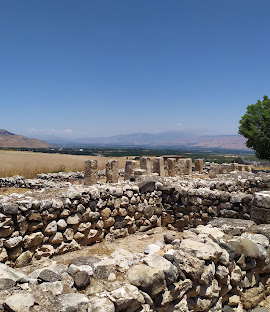
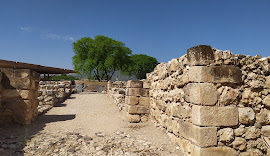
Joshua conquered its Canaanite king, Jabin, and his confederate kings in a major victory. Scripture tells us Joshua burned the city and put its inhabitants to the sword, but the Canaanites reconquered and rebuilt. Hazor returned to Israel’s control under Kings David and Solomon. Solomon rebuilt and fortified it, Megiddo, and Gezer as three treasure city strongholds protected by his complicated signature triple entrance gates safeguarding them from enemy invasion. I loved exploring despite getting heat stroke.
Back at my accommodation, my new English friend, Anne, gifted me the three inch pottery reclining calf she had found at the site for my students to see. It was cleverly made in more lifelike proportion than the nearest similar photo I can find to share below. It was red clay with painted streaks of black, red, and white paint added.
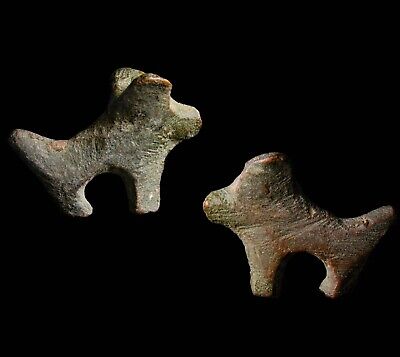
After I flew home, Anne wrote and asked me to destroy the object as she feared it had been used in pagan worship. I hesitated. At least 1200 years old, this hand-made item gave a glimpse into ancient times. However, when I prayed, I heard the question, “Why would you save something involved in pagan worship?” First my history-loving brain trotted out obvious historical reasons, and then the Lord asked, “What was it devoted to?” That settled it. I wrote Anne and her husband that I would destroy it. But how?
Exodus 32:20 KJV and other verses give instruction, “And he took the calf which they had made, and burnt it in the fire, and ground it to powder, and strawed it upon the water, and made the children of Israel drink of it.” One student wanted to help. First we burned the object in my wood stove. I sifted the ashes but couldn’t find the rascal. Had it disintegrated? Made of baked clay, it glowed like an ember and avoided detection until I finally found it. We used a hammer to smash it into powder, walked to a nearby stream, sang a song as we cast the bits into flowing water, and each drank a tiny portion as the Bible says.
That experience was an object lesson. If we don’t have literal pagan idols, we can parallel that process to be free of problem areas in the same ways. Parallel the process by committing them to the Lord for His fire to consume and accept them as happened to many Old Testament sacrifices. Next, let the hammer of God’s word smash them as written in Jeremiah 23:29 “A message from me is like a fire that burns things. It is like a hammer that breaks a rock into pieces.” And then let His living waters carry them away.
I’ve loved my 40 years of trips to Israel and continue learning from connections there. Best of all, scriptures from long ago are vitally applicable to our lives now. I’ve shared my travel lessons in A Traveling Grandma’s Guide to Israel: Adventures, Wit, and Wisdom and tucked in recipes. It’s on Amazon in print, Kindle, and Audible or contact me to order signed copies. Have fun applying this redemption process in all ways the Lord directs.






























 Christians Read