
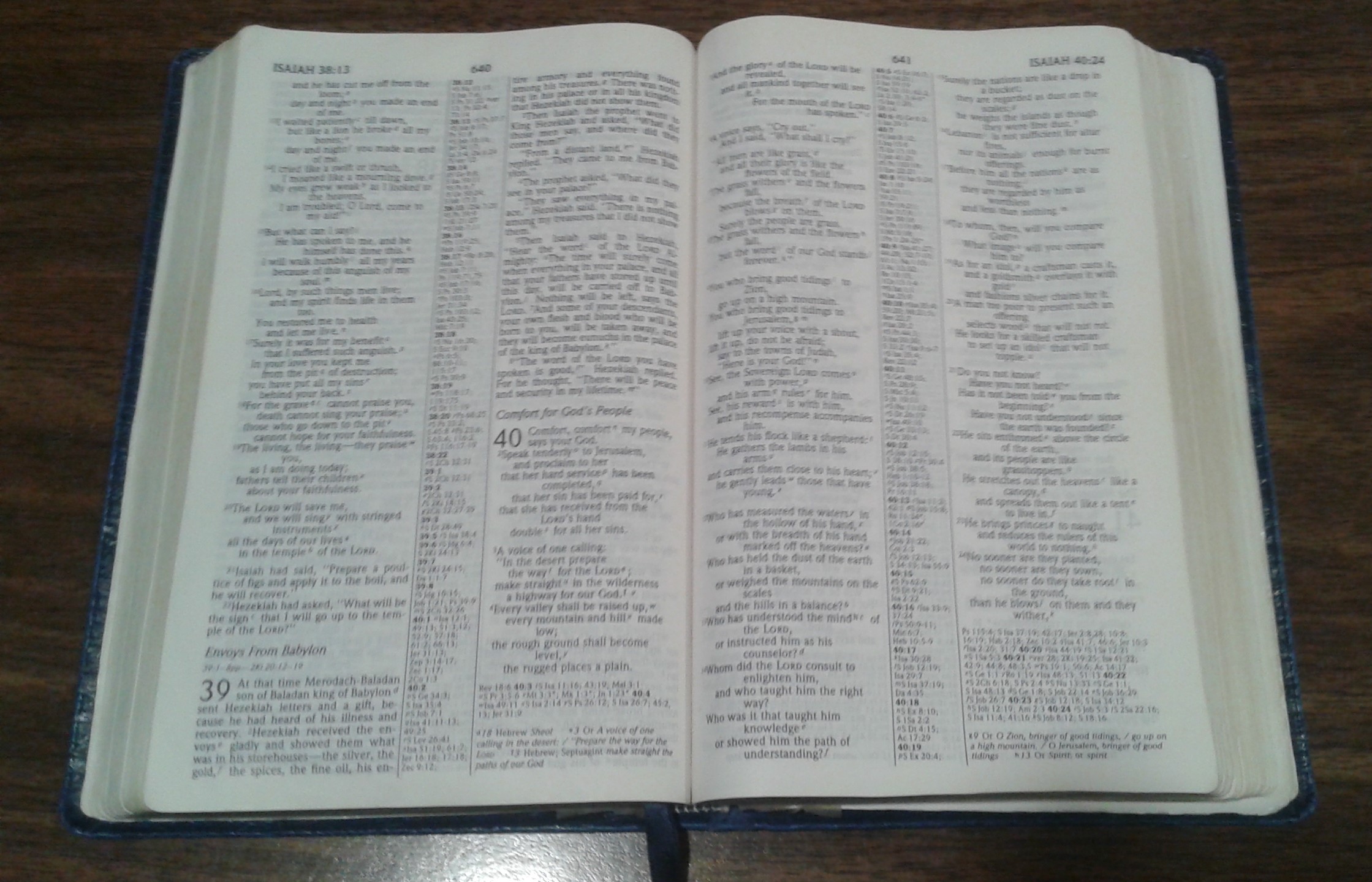
James 5 begins with a forceful condemnation of the rich: “Now listen, you rich people, weep and wail because of the misery that is coming on you. Your wealth has rotted, and moths have eaten your clothes. Your gold and silver are corroded. Their corrosion will testify against you and eat your flesh like fire. You have hoarded wealth in the last days. Look! The wages you failed to pay the workers who mowed your fields are crying out against you. The cries of the harvesters have reached the ears of the Lord Almighty. You have lived on earth in luxury and self-indulgence. You have fattened yourselves in the day of slaughter. You have condemned and murdered the innocent one, who was not opposing you.”
The Bible does not promote a class war or advocate for a communist-style revolution. It does not condemn capitalism outright. And yet it does recognize that some (and often more than some) rich people use their power to further enrich themselves and unjustly oppress the poor. The Bible calls this sin, and it calls for justice. In the first six verses of James 5, James sounds like an Old Testament prophet, condemning oppressors. But he also seems to be echoing Jesus’ words: “But woe to you who are rich, for you have already received your comfort. Woe to you who are well fed now, for you will go hungry. Woe to you who laugh now, for you will mourn and weep” (Luke 6:24-25). Jesus also told a parable about a rich man who ignored the plight of a poor beggar; after he died, the rich man ended in torment in hades, while the poor man joined Abraham in heaven (Luke 16:19-21). Jesus, incidentally, stated that what He was saying was in line with the teaching of “Moses and the prophets.” James did not advocate for a social revolution here but affirmed that God will pronounce a just sentence in the next life. He said, “You have hoarded wealth in the last days” (verse 3). He noted that not only does earthly wealth disintegrate (echoing Jesus’ words about moths, vermin, and thieves destroying earthly wealth: Matthew 6:19-20), but he added the idea that ill-gotten wealth becomes a corrosive acid that destroys both it and the one who has stolen it. James also included another interesting image: “You have fattened yourselves in the day of slaughter” (James 5:5). The idea is that the rich have self-centeredly focused on their own pleasures, unaware that judgment is imminent. The image also suggests sheep who happily focus on eating and getting fat, thinking that the food is there for their benefit, unaware that they are being fattened up so they can be eaten by others.
Having addressed the sinfulness of rich oppressors, James turned to ordinary Christians, brothers and sisters, those who were not among the oppressors (true Christians don’t act like that), those who are often the oppressed. James did not tell the oppressed to rise up against injustice (although James himself loudly condemned injustice). What James told the oppressed was to be patient, to wait. Wait for what? He compared their waiting to farmers waiting for rain and waiting for the harvest. The harvest cannot be rushed, and rain cannot be controlled by humans. The farmer just has to wait. So, what are Christians waiting for? They are waiting for the great harvest when God will harvest the wheat and burn up the weeds (Matthew 13:24-30,36-43). There were hints of this in verses 1-6: “misery” is coming to the rich, they have hoarded wealth “in the last days,” the cries of the oppressed “have reached the ears of the Lord Almighty” (echoing the cries of the Israelite slaves in Egypt: Exodus 3:7-10), and a “day of slaughter” is coming. James was urging the oppressed to be patient. The oppressed often have no power to relieve their suffering, so James was telling them to be patient. Why? Because “the Lord’s coming is near.” In other words, they don’t have to worry about the oppressors because Jesus is going to return and punish the wicked in the flames of hell. James was telling the oppressed to leave judgment to God because that judgment will be more thorough and more just than anything the oppressed could achieve.
In the meantime, the oppressed are to resist two other temptations in the midst of their suffering. One is to “grumble against one another” (verse 9), to blame other people for our problems, to take out our frustrations on whoever happens to be within reach. The other is to swear (verse 12), to use God’s name and not really mean it, not really reaching out to God, which reduces Him to a powerless fiction in our eyes. (If we were truly aware of the Almighty God listening, we would be much more careful with our words.) James here was directly quoting Jesus (Matthew 5:33-37). As is easy to recognize, these two temptations are common responses to trouble, and they are sinful.
It is worth noting that James was here reverting to the theme with which he opened his letter: “Consider it pure joy, my brothers and sisters, whenever you face trials of many kinds” (James 1:2).





























 Christians Read