
Among the fundamental human rights are freedom of thought and freedom of expression. The first demands the second. There is not much point in having freedom of thought if you can’t express your thoughts.
Thoughts are expressed in many ways. You can speak those thoughts in person, to a single individual or to a large crowd. You can broadcast your thoughts on radio, TV, YouTube, or some other social network. You can portray thoughts in dramatic form through stage plays, movies, and TV shows. You can express your thoughts in print, through letters, newspapers, magazines, blog posts, and books.
And this is where Amazon comes in. Amazon’s clear goal is to dominate online retailing. It has largely succeeded in this and is becoming more dominant all the time. Amazon has 310 million subscribers with $1.4 billion in sales every day.
Amazon began by selling books, and books are where Amazon becomes a threat to human rights. About 50 million books are bought in Canada every year, and over half of those are bought online. And Amazon is by far the largest online retailer in Canada, with over 40% of the total market.
I feel this acutely because I write and publish books, and I live and write in Canada, primarily for a Canadian audience. Amazon is so dominant that many bookstores have gone out of business. If you want to sell books in Canada, you have to be on Amazon. You might be able to sell books through Indigo (formerly Chapters and Coles) or Barnes & Noble (which sells online in Canada through its US website, but has almost no profile in Canada), but they might not stock those books.
Through my Mill Lake Books imprint, I have published over two dozen books, a few of which I have written myself. They are printed through IngramSpark, a print-on-demand publisher in the US, and distributed through Ingram, one of the largest book distributors in the world, particularly of Christian books. One of the great advantages is that all Ingram books are automatically listed with online retailers such as Amazon and are available for order from thousands of bookstores.
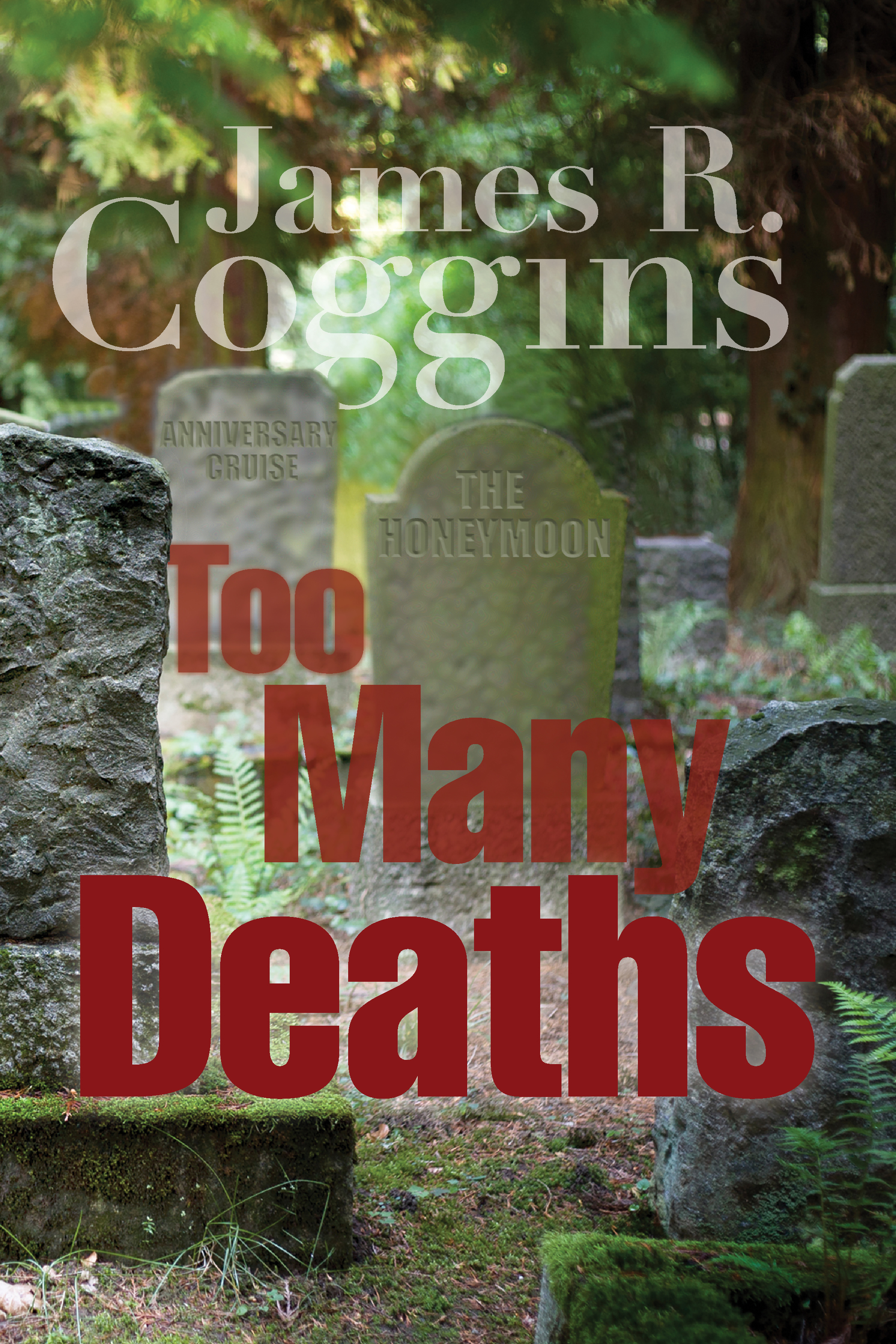
Well, maybe not automatically. My latest book, Too Many Deaths, was released last November, and I began promoting it, specifically mentioning that it could be purchased through Amazon. I was therefore puzzled when it was not selling. I checked online and discovered that the book could be purchased from Amazon in the US (but couldn’t be shipped from there to Canada). Amazon.ca, the Canadian branch of Amazon, listed it for sale but said it was “currently unavailable.” The book was available, but some glitch had occurred, and the book’s availability listing was incorrect.
And nothing could be done about it. IngramSpark’s efforts to resolve the situation achieved nothing. I tried in vain to contact Amazon, but Amazon is such a massive beast that it is essentially unresponsive. I was shuffled from one department to another—to customer service, to seller services (I am not the seller; Ingram is), to Kindle Direct Publishing (Amazon’s own print-on-demand publisher, which competes with IngramSpark). Amazon is simply too big to care.
The result is that I had put a great deal of effort into publishing a book that I could not sell. I am not suggesting that Amazon was censoring or blacklisting my book. Amazon does not seem to have any moral sense; it seems willing to sell anything that can return a profit. The problem was simply a glitch in the computer systems. In the end, I was forced to republish the book through Amazon’s Kindle Direct Publishing. The book is now available for sale in Canada, but the customer has to search hard for the correct price ($17.99 in Canada, $12.99 in the US). Amazon.ca is so convoluted that the primary seller listed is often not Amazon itself or IngramSpark but some secondary retailer, in Europe or somewhere else, which offers the book at a very large markup. The customer pays an inflated price, but I, as the author and publisher, receive only the same small royalty.
The reality is ominous. Amazon, like any monopoly, has become so dominant that it has the ability to determine which books are available for purchase. Our freedom of expression exists only to the extent that Amazon allows it.




























 Christians Read