
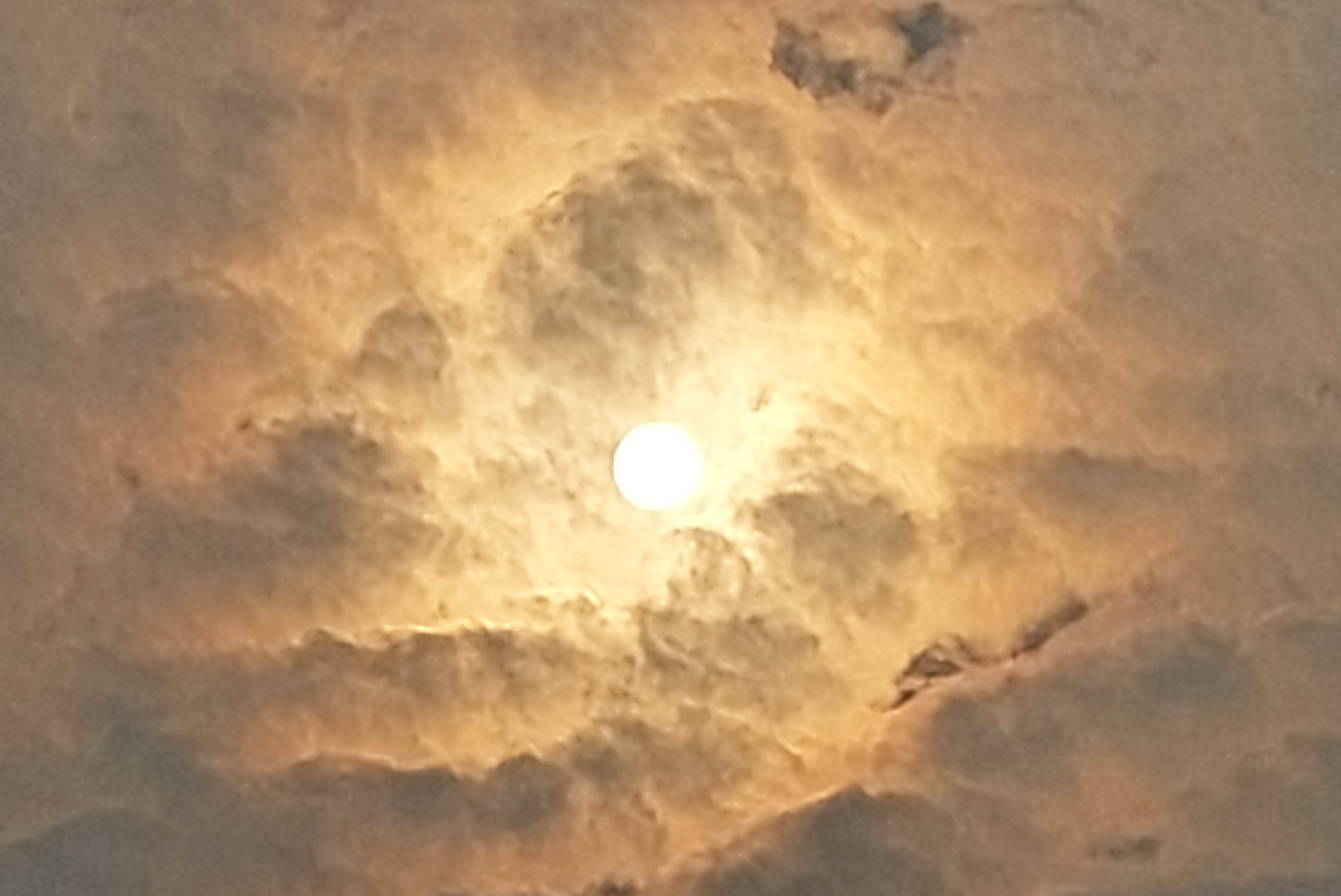
I live in the province of British Columbia on the west coast of Canada, also known as “the wet coast.” The prevailing west winds off the vast Pacific Ocean bring in copious amounts of rain, especially on British Columbia’s mountain ranges, allowing great forests to grow. The rain also supports agriculture in the river valleys. Starting about October each year, heavy rains come in, lasting for up to a week at a time. There is little snow, mostly just rain, in the river valleys, but heavy snow in the mountains, which feeds the rivers and streams and lakes and reservoirs all summer. The rain can get a little monotonous. Vancouver is the province’s largest city and major port, and the Vancouver Rain Festival is said to run from January 1 to December 31. It is an exaggeration. In summer, the land heats up and a high pressure ridge forms, deflecting the low pressure systems coming in off the ocean, so summers can be dry.
Two years ago, there was a summer “heat dome” with record high temperatures that killed lawns, shrubs, crops, trees (causing many forest fires), and people (over 600). While no heat dome is expected to develop this year, our current summer has again been again hot and dry, and rainfall has been below average for more than the past year. We are facing drought and water restrictions, and forest fires have already burned through more hectares of forest this year than in any other year in our history. I have no idea if this is a permanent climate change or an aberration.
Sunshine is often considered a metaphor for blessing, and rain a metaphor for hardship. But rain (water) is necessary for life. So, while the people in Vancouver enjoy the beaches, I pray for rain. The older I get, the more I realize that God controls the weather and there is little we can do about it.
Like British Columbia, Palestine is on a west-facing coast, and it benefits from rain coming in off the Mediterranean Sea. Rain is especially heavy in spring and fall, while summers are dry. This rain supports agriculture and also nourishes forests on the mountains (the famous cedars of Lebanon). When the people of Israel entered the Promised Land over three millennia ago, it was likely cooler and wetter than it is now. (Climate changes have been occurring throughout history.) Palestine was said to be a land flowing with milk and honey. Why milk and honey? They are liquids and therefore flow. Beyond that, milk comes from goats and cows. Honey comes from bees, which depend on the flowers of trees and other plants. In other words, this was a rich land that would support both ranching and farming. And both of those depend on rain. As an agricultural society, the ancient Israelites were heavily dependent on rain—and more aware of that dependence than modern city dwellers are.
As the people of Israel were about to enter the Promised Land, Moses gave them a long exhortation. He told them that if they would “fully obey the Lord your God and carefully follow all his commands,” then God (Yahweh) would give them a long list of blessings. One of them was that “The Lord will open the heavens, the storehouse of his bounty, to send rain on your land in season and to bless all the work of your hands” (Deuteronomy 28:1,12). On the other hand, if the people of Israel did not obey God, they would receive a long list of curses. Among them would be “scorching heat and drought…The sky over your head will be bronze, the ground beneath you iron. The Lord will turn the rain of your country into dust and powder” (Deuteronomy 28:22-24). Since God controls the weather, He could easily fulfill His promises of blessings and curses, rewarding the people for their faithfulness or punishing them for their unfaithfulness.
Years later, at the dedication of the temple, King Solomon repeated this idea in a prayer: “When the heavens are shut up and there is no rain because your people have sinned against you, and when they pray toward this place and give praise to your name and turn from their sin because you have afflicted them, then hear from heaven and forgive the sin of your servants, your people Israel. Teach them the right way to live, and send rain on the land you gave your people for an inheritance” (1 Kings 8:35-36).
It turned out that the Israelites did not obey God, until finally God sent the prophet Elijah to declare: “There will be neither dew nor rain in the next few years” (1 Kings 17:1). After three-and-a-half years of brutal drought, Elijah called the nation together for a contest between him and 400 prophets of Baal, the Sidonian rain god. When Elijah’s God sent down fire from heaven and Baal could not, the Israelites returned for a time to worshipping Yahweh. Yahweh responded by sending “heavy rain” (1 Kings 18:45).
But it did not last. Later on, the prophet Jeremiah told the Jews, the last remnant of Israel, that, because of their sin, “the showers have been withheld, and no spring rains have fallen” (Jeremiah 3:3). The prophet Amos repeated the message: “I gave you empty stomachs in every city and lack of bread in every town…I also withheld rain from you…People staggered from town to town for water but did not get enough to drink, yet you have not returned to me” (Amos 4:6-8).
Even after the return from exile in Babylon, the Jews continued to be unfaithful. But God continued to promise and warn: “Test me in this and see if I will not throw open the floodgates of heaven and pour out so much blessing that there will not be room enough to store it” (Malachi 3:10).
And so, here in British Columbia, we face heat and drought, and I continue to pray for rain. Could it be because of our sin and unfaithfulness that God does not answer?





























 Christians Read